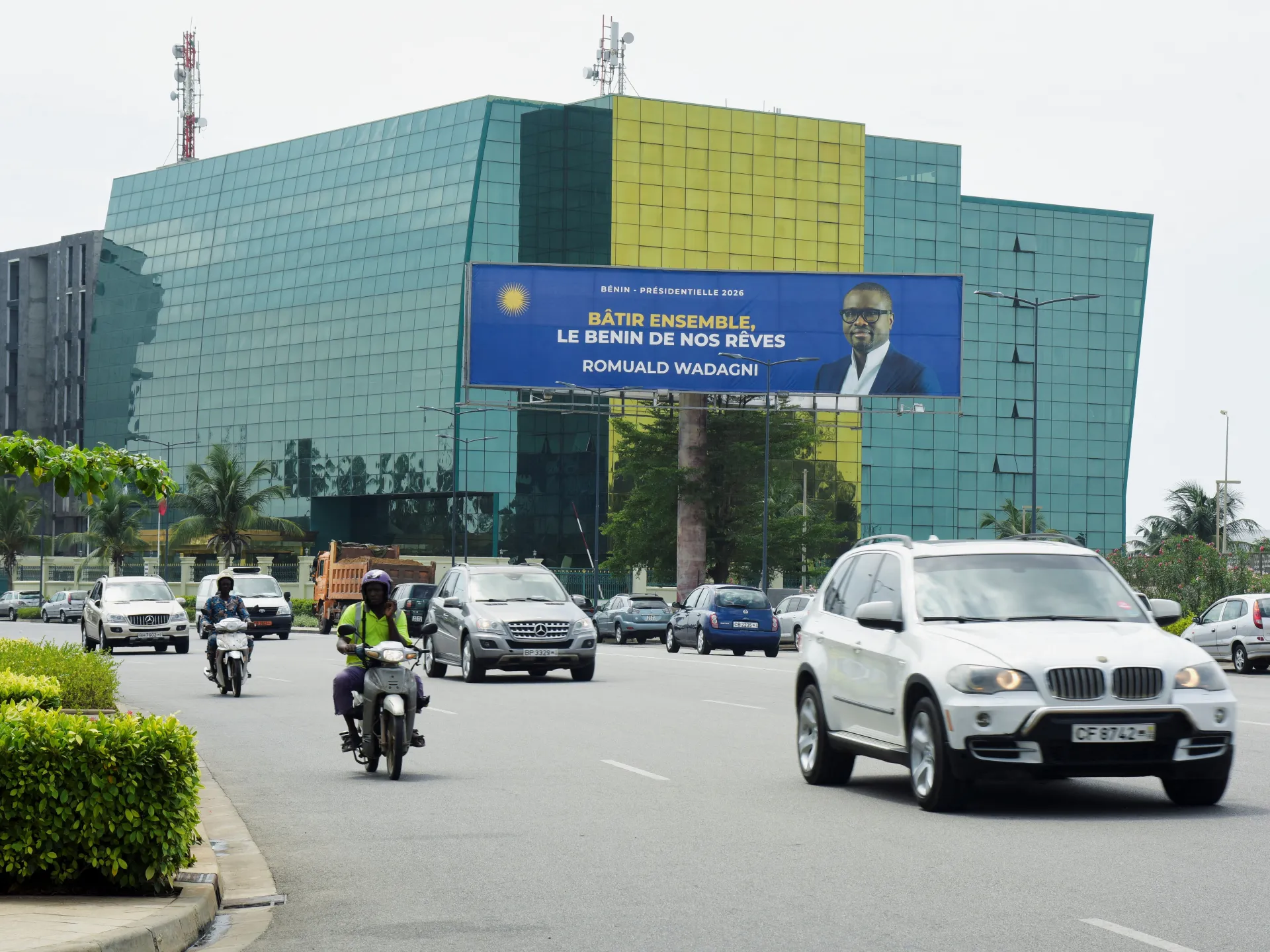

The unfolding Benin presidential election has drawn significant regional attention as a litmus test for democratic consolidation and sovereign capital stability in West Africa. With incumbent Patrice Talon constitutionally ineligible to seek a third consecutive term, his anointed successor, Finance Minister Romuald Wadagni, has positioned himself as the steward of ongoing economic transformation. This transition arrives amid shifting regional power dynamics, including Sahelian instability encroaching along Benin’s northern border and recent failed military coup attempts that underscore governance risks complicating sovereign attractiveness to international investors.
Wadagni’s candidacy appears to benefit from the consolidation of governing coalition dominance following the January legislative elections, which delivered Talon-aligned parties complete parliamentary control. This electoral sweep tightens policy continuity, particularly regarding public finance management and strategic infrastructure development—domains critical to sovereign bond markets and multilateral development bank confidence. However, the sidelining of traditional opposition forces, including The Democrats party, narrows the political spectrum at a time when diversified governance rhetoric increasingly appeals to risk-sensitive sovereign capital allocators monitoring West African market reforms.
Beyond political mechanics, security infrastructure remains a pivotal development variable. Sahel-adjacent instability has forced Benin to reweight defense spending at the expense of softer development gains, complicating narratives of inclusive prosperity. Wadagni’s proposed municipal police expansion along volatile borders signals prioritisation of immediate stability, which, if coordinated with nimble sovereign risk frameworks, could restore benchmark African Development Bank confidence amid regional turbulence. Persistent attacks from JNIM-linked groups underscore operational risks to trade corridors and agricultural output—sectors vital to Benin’s 7% growth model.
The results will thus foreshadow sovereign trajectory not only for Benin but for West Africa’s widening democratic norms. Tightened opposition space amid growth backdrop presents a nuanced risk-reward profile for multilateral lenders and venture capital eyeing subregional trade spillovers. A Wadagni presidency capitalising on Talon’s economic gains while neutralising security and governance headwinds would sustain Cotonou’s positioning as a regional growth counterbalance to its larger neighbours, Nigeria and Togo. Any disruption here could reverberate across Francophone West Africa’s markets and deter urgently needed sovereign financing aimed at enduring regional security integration.