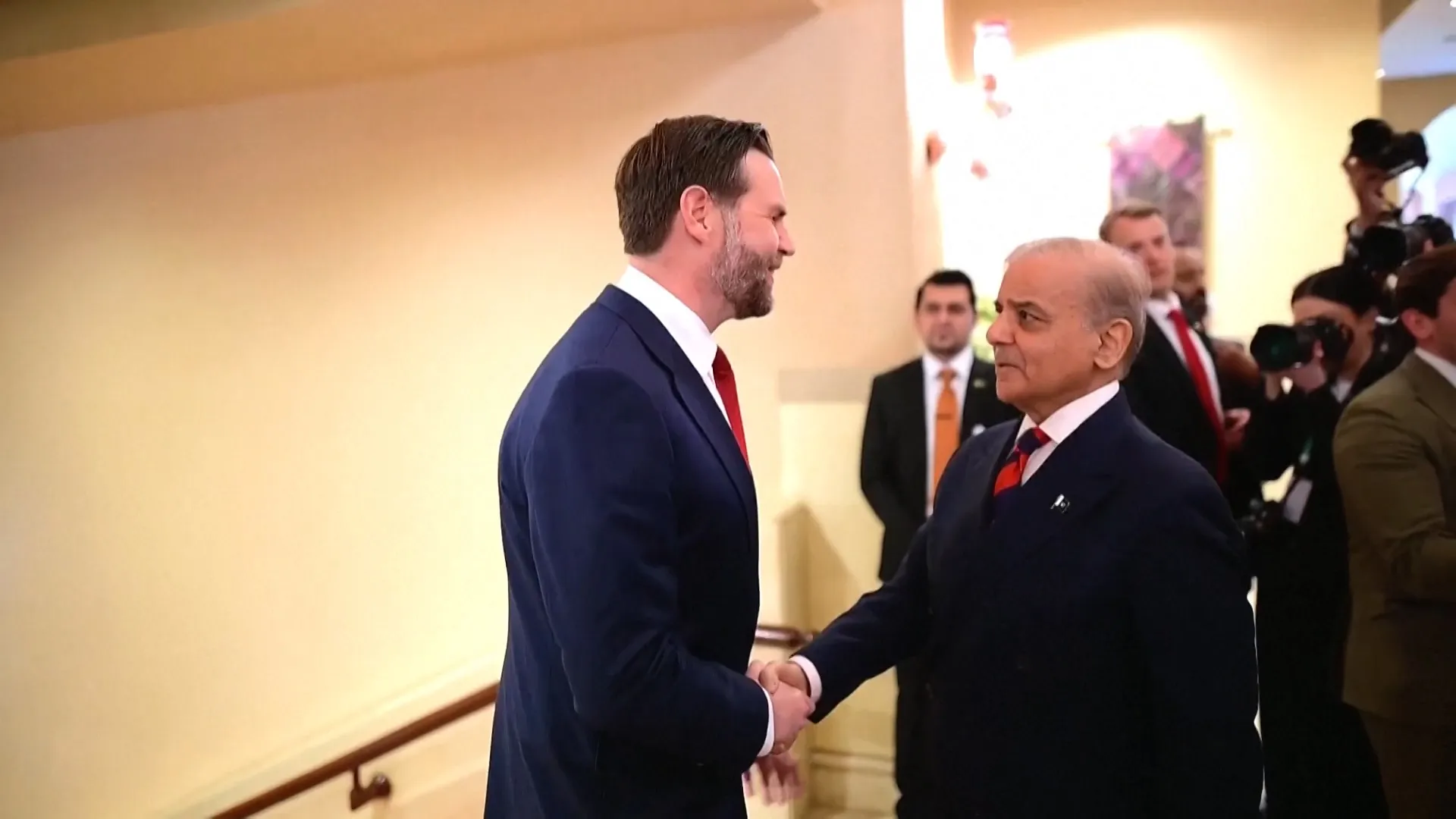

US Vice President JD Vance and senior advisers Steve Witkoff and Jared Kushner’s recent meeting with Pakistan PM Shehbaz Sharif in Islamabad signals a potential recalibration of US engagement with Tehran, raising significant strategic implications for Middle East capital flows and regional infrastructure development. Should direct US-Iran talks materialize, they would represent the highest-level diplomatic engagement since the 1979 Islamic Revolution, fundamentally affecting sovereign investment strategies across the Gulf Cooperation Council and wider MENA region.
The prospect of US-Iran rapprochement carries profound implications for sovereign wealth fund positioning and regional risk premiums. GCC economies, particularly Saudi Arabia and the UAE, have been working to balance between US strategic priorities and maintaining economic ties with Tehran. A de-escalation of tensions could unlock previously frozen cross-border investment opportunities in sectors including renewable energy infrastructure, port development, and technology corridors stretching from the Arabian Peninsula to Central Asia via Pakistan.
For venture capital ecosystems in the region, normalization of US-Iran relations would likely accelerate cross-border fintech and logistics innovations, particularly along the China-Pakistan Economic Corridor pathways connecting Gwadar Port to Xinjiang. Regional sovereign investors would need to reassess exposure to traditional safe-haven assets as diplomatic channels potentially open new frontiers for blended public-private infrastructure financing models, especially in areas requiring sophisticated risk management structures to navigate evolving regulatory frameworks between Western sanctions regimes and emerging market opportunities.