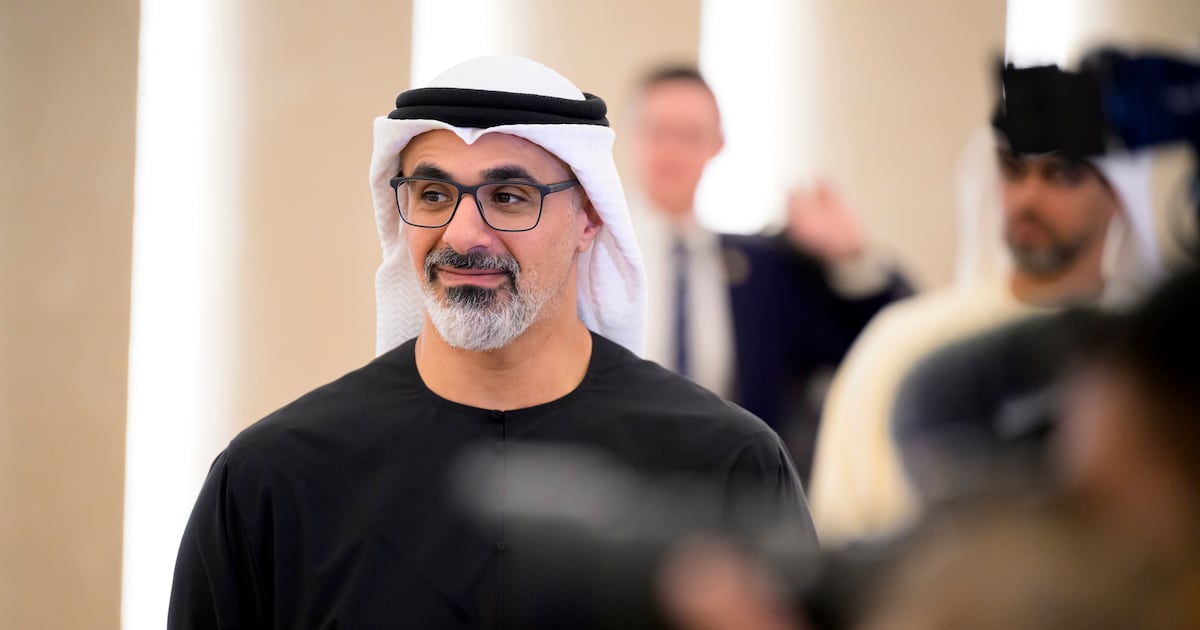

Sheikh Khaled bin Mohamed, Crown Prince of Abu Dhabi, will lead a high‑level delegation to Beijing this Sunday, marking the latest diplomatic push to convert the UAE‑China strategic partnership into tangible economic outcomes. The mission, which includes senior ministers, state‑owned enterprise CEOs and venture‑capital representatives, is geared toward securing sovereign‑fund financing for large‑scale infrastructure projects—ranging from renewable‑energy grids to smart‑city platforms—that align with Abu Dhabi’s diversification agenda and China’s Belt‑and‑Road expansion in the Gulf.
For the UAE’s sovereign wealth vehicles, the visit offers a conduit to tap Chinese capital on concessional terms, potentially unlocking billions of dollars for downstream petrochemical complexes and logistics hubs in the Abu Dhabi‑Dubai corridor. In return, Chinese state banks and sovereign funds are likely to pursue co‑investment structures that grant them a foothold in the MENA region’s nascent fintech and green‑tech ecosystems, sectors that have attracted an estimated $6 billion of venture capital over the past year.
The delegation’s business agenda underscores a shift from political symbolism to concrete deal‑making. Negotiations are expected to cover joint‑venture pipelines for hydrogen production, financing of high‑speed rail links connecting the GCC, and the establishment of a bilateral innovation fund targeting early‑stage startups in AI, cybersecurity and clean‑energy storage. Such arrangements could accelerate the maturation of regional venture ecosystems, providing MENA entrepreneurs with access to Chinese R&D networks and downstream manufacturing capacity.
Strategically, the trip reinforces the UAE’s role as a financial gateway between East Asia and the Middle East, a position that could be solidified by granting Chinese sovereign investors preferential access to the Abu Dhabi Global Market and the Dubai International Financial Centre. If successful, the partnership will deepen capital flows, broaden the pipeline of cross‑border infrastructure projects, and embed the Gulf more firmly within China’s global economic architecture.