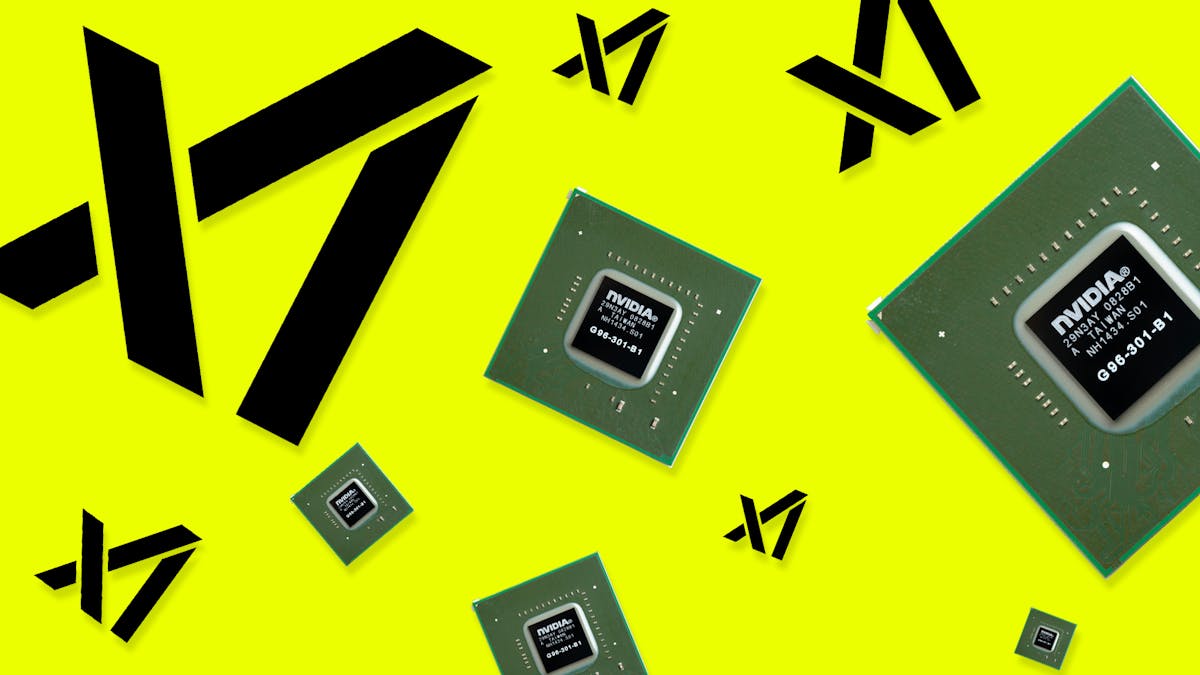

Alphabet Inc.’s dual vertical integration in AI software and hardware positions it as a strategic linchpin for MENA region digital transformation. Through its Gemini AI platform—now competing with ChatGPT for enterprise LLM dominance—and Tensor Processing Unit (TPU) hardware that rivals Nvidia’s GPUs, Alphabet offers MENA governments and corporations a unified ecosystem to scale AI adoption. For sovereign entities seeking to bolster national innovation agendas, Alphabet’s hardware infrastructure could catalyze localized data center deployments, reducing dependency on foreign cloud providers while ensuring data sovereignty. These capabilities align with MENA’s nascent AI policy frameworks, which prioritize sovereign control over digital infrastructure—a critical leverage point given the region’s geopolitical pivot toward techno-nationalism.
The firm’s financial fortitude—underpinned by $402.8 billion revenue in 2025, a 32.8% net margin, and a conservative debt-to-equity ratio of 0.14—grants it outsized influence over regional venture capital dynamics. MENA startups increasingly reliant on AI-driven solutions are turning to Alphabet’s open-source frameworks and hardware to bootstrap operations, creating a self-reinforcing cycle where venture capital inflows target firms with interoperability with Google’s systems. For example, fintech ventures in Jordan and logistics innovators in Morocco are leveraging Gemini’s multimodal capabilities to optimize supply chains, while SecaaS providers in the GCC are integrating TPUs to reduce latency in cloud processing—a trend mirroring Silicon Valley’s migration to specialized hardware. Alphabet’s partnerships with regional quantum computing hubs further amplify its VC magnetism, as early-stage investors prioritize startups with embedded access to the company’s AI toolkits.
Regional infrastructure development hinges on Alphabet’s ability to democratize access to cutting-edge compute resources, which could bridge MENA’s digital divide. TPU-powered sovereign clouds might emerge as public-private partnership models, enabling Gulf Cooperation Council states to host encrypted, high-throughput systems for smart cities and e-government platforms. Such deployments would require significant capital expenditure from MENA’s sovereign wealth funds—already earmarking 15–20% of their tech budgets for AI readiness by 2030—but stand to yield outsized returns as Alphabet’s ecosystem becomes the de facto gateway for AI-driven policy implementation. Meanwhile, the firm’s APAC-centric legacy storage models face local adaptation, with Al-Maghrib and Egyptian telecoms exploring hybrid networks that pair TPUs with 5G edge nodes to meet MENA-focused AI latency requirements.
Investors in Alphabet at these levels partake in a dual bet: on its continued dominance of the global AI stack and on its capacity to catalyze MENA’s shift from peripheral participation to sovereign innovation leadership. The 15% year-over-year revenue growth signals robust scalability—a vital metric for SWFs evaluating long-term bets on the region’s tech trajectory. As sovereign AI policymakers in Abu Dhabi and Riyadh draft regulatory sandboxes favoring interoperable, open-systems architectures, Alphabet’s integrated suite becomes a paragon of both agility and control, making it an outlier bet in a region historically reliant on imports for critical tech infrastructure.