
The recent two‑week ceasefirebetween the United States and Iran—formalized by the reopening of the Strait of Hormuz—represents a calibrated de‑escalation that will likely be codified into a broader diplomatic framework. For sovereign investors across the Gulf Cooperation Council and North Africa, the accord restores a predictable maritime corridor that underpins the bulk of export logistics, enabling a reassessment of risk‑adjusted returns on sovereign wealth fund allocations. This recalibration is expected to unlock liquidity for strategic equity stakes in logistics platforms, port infrastructure, and cross‑border energy transmission projects that were previously constrained by security premiums.
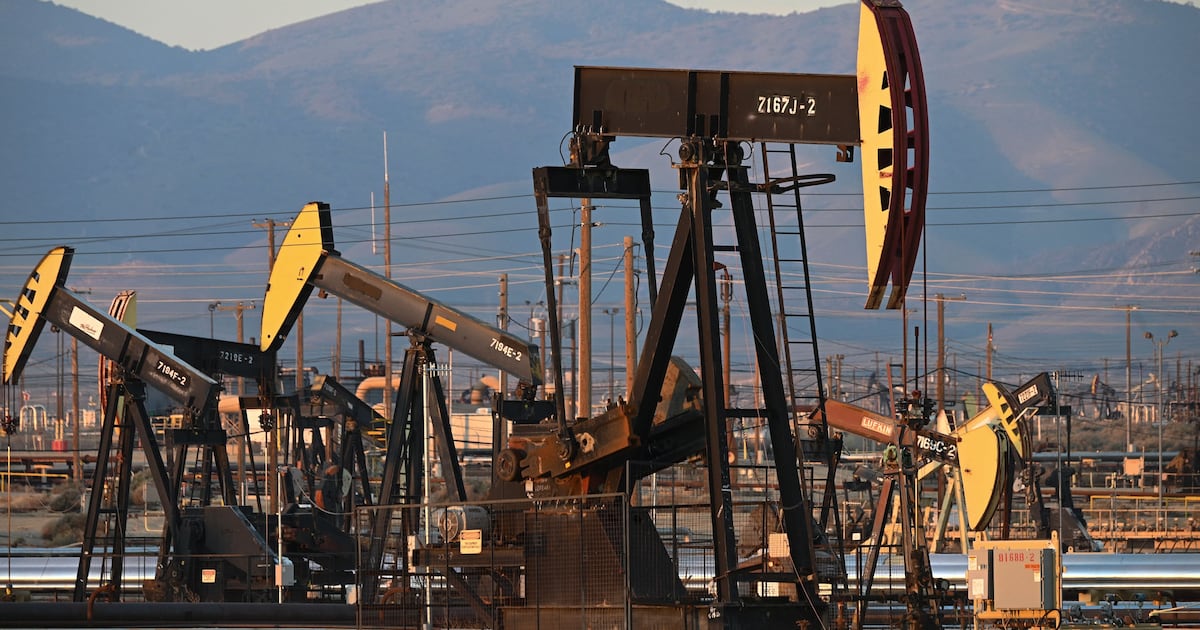
The abrupt 15 % decline in Brent crude to approximately $95 per barrel signals a tangible easing of supply‑side volatility, with direct fiscal implications for oil‑dependent governments. Reduced hydrocarbon revenues compress fiscal buffers, prompting a shift from discretionary spending to capital‑intensive diversification programs—particularly in renewable‑energy generation, desalination, and digital trade corridors. Institutional investors are poised to channel additional capital into venture‑backed cleantech and smart‑grid ventures that align with national diversification agendas, thereby accelerating the region’s transition toward a low‑carbon industrial base.
Beyond energy pricing, the ceasefire serves as a catalyst for broader financial integration across the MENA ecosystem. By diminishing transactional friction, the agreement lowers default probabilities for cross‑border financing structures, encouraging sovereign and multilateral development banks to increase leverage on infrastructure bonds. Consequently, venture‑capital firms operating in the region can anticipate more favorable term‑sheet conditions and heightened appetite from global limited partners seeking exposure to high‑growth, region‑anchor projects. In aggregate, the stability engendered by this diplomatic breakthrough is likely to catalyze a multi‑year virtuous cycle of infrastructure spend, capital market deepening, and private‑sector innovation throughout the Middle East and North Africa.