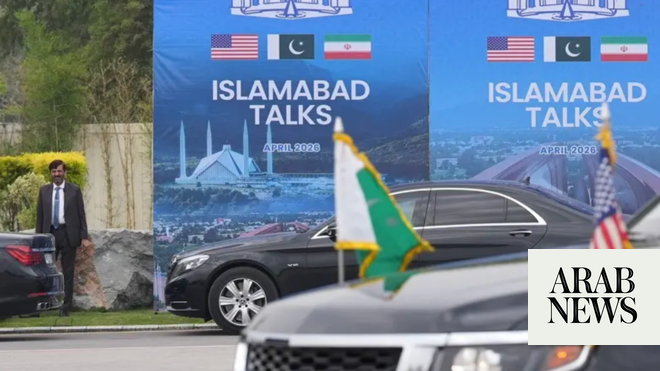

Islamabad’s role as thediplomatic conduit for the first trilateral encounter between Iran, Pakistan and the United States has sharply recalibrated risk premia across the MENA region. Immediate market reactions have manifested in tighter sovereign spreads for Iranian debt, while regional equity indices, notably those tracking Persian Gulf markets, are pricing a conditional decline in geopolitical volatility. The shift from mediator‑led to direct face‑to‑face talks signals a reduced reliance on third‑party de‑escalation mechanisms, accelerating the reassessment of cross‑border trade corridors that feed global oil and gas supply chains.
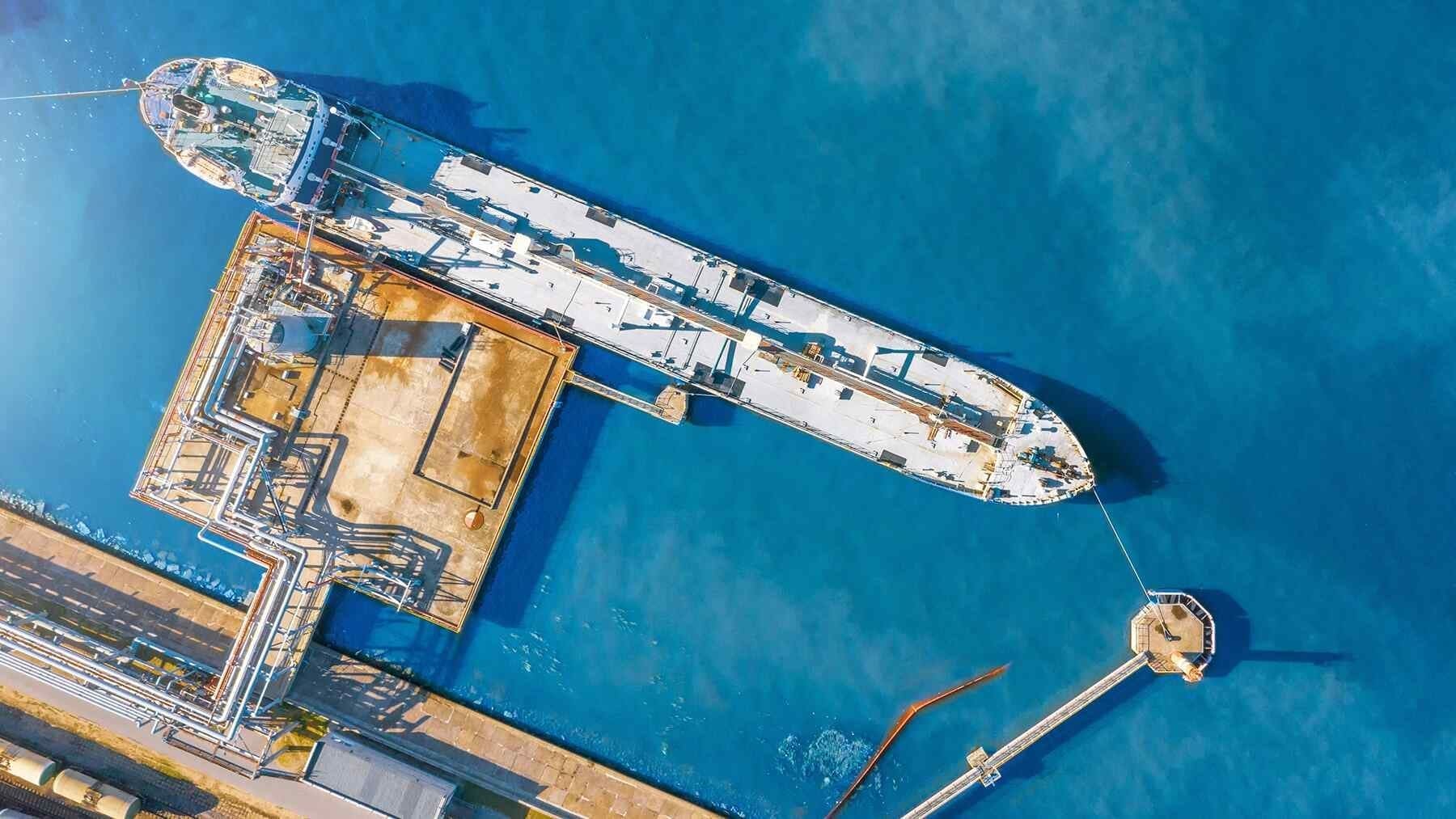
For sovereign investors, the talks underscore a strategic pivot in financing architecture: Tehran’s leverage on the Strait of Hormuz remains a bargaining chip that could unlock new flows of development capital, whereas Washington’s refusal to relax uranium enrichment limits reinscribes sanctions‑driven fiscal constraints. Pakistani authorities, leveraging their hosting mandate, are positioning Islamabad as a high‑value logistics hub, a move that could attract sovereign‑backed infrastructure financing and reroute trade flows toward the South Asian hinterland. Consequently, sovereign wealth funds and multilateral lenders are likely to re‑engineer allocation models to capture upside from a stabilized, albeit tentative, regional security environment.
Within the private‑capital ecosystem, venture and growth‑stage stakeholders are beginning to map opportunities tied to critical infrastructure upgrades—particularly in renewable‑energy microgrids, border‑crossing customs automation and logistics platforms that could bypass congested maritime routes. The emerging consensus is that any durable de‑escalation will catalyze a surge in cross‑border VC deployments focused on energy security, digital trade facilitation and resilient supply‑chain analytics, thereby reshaping the MENA market’s capital‑allocation calculus for the next decade.