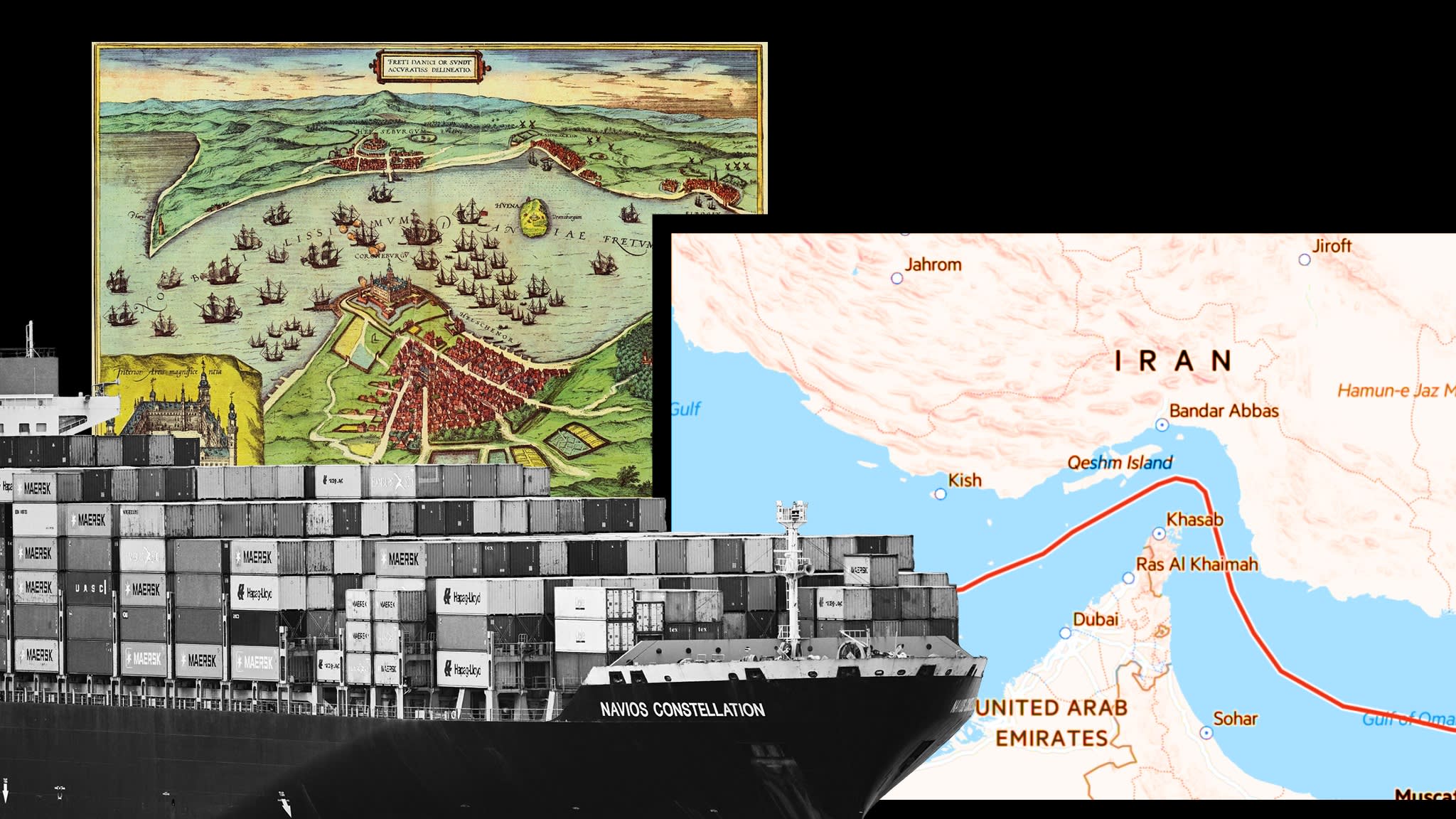

In a move that blends historical maritime legacy with contemporary energy geopolitics, Iran’s new automated toll system for ships traversing the Strait of Hormuz has reignited debates over control of one of the world’s most critical oil chokepoints. The initiative, presented as a modernization of the country’s maritime infrastructure, carries significant implications for Gulf economies, regional sovereign funding strategies, and the broader investment landscape in a corridor that channels roughly 20% of global crude oil shipments. While Iran frames the technology as a sovereign revenue generator, the deployment raises alarms in neighboring energy-dependent monarchies and underscores the fragile balance between maritime security and commercial navigation.
For Gulf oil producers and investors, the system represents a flashpoint in an already volatile maritime risk environment. The automated tolling mechanism could pave the way for new sovereign financing structures—potentially underpinned by maritime tariffs or sovereign wealth-backed guarantees—if Iran succeeds in embedding the model into international maritime agreements. At the same time, the move could deter foreign direct investment in regional port and logistics infrastructure if vessels choose alternate routes. Countries with substantial port investments, such as the UAE and Saudi Arabia, may accelerate sovereign funding for alternative shipping lanes and contingency infrastructure to safeguard export volumes and rebalance risk exposure.
The investment implications ripple outward, potentially drawing renewed attention from regional and global venture capital pools attuned to maritime fintech, surveillance systems, and insurance-linked transactions. Sovereign capital may also pivot toward partnerships with neutral maritime states or private consortiums to de-risk alternative transit corridors. In the MENA context, this shift could strengthen the visibility of Egypt’s Suez Canal and Oman’s ports, as both countries could attract venture capital in next-generation logistics, surveillance, and maritime financing platforms. The Iran toll initiative, while framed as a regional sovereign development project, may thus inadvertently catalyze a broader strategic reallocation of infrastructure capital and high-net-worth strategic positioning across the Arab Peninsula and North Africa.