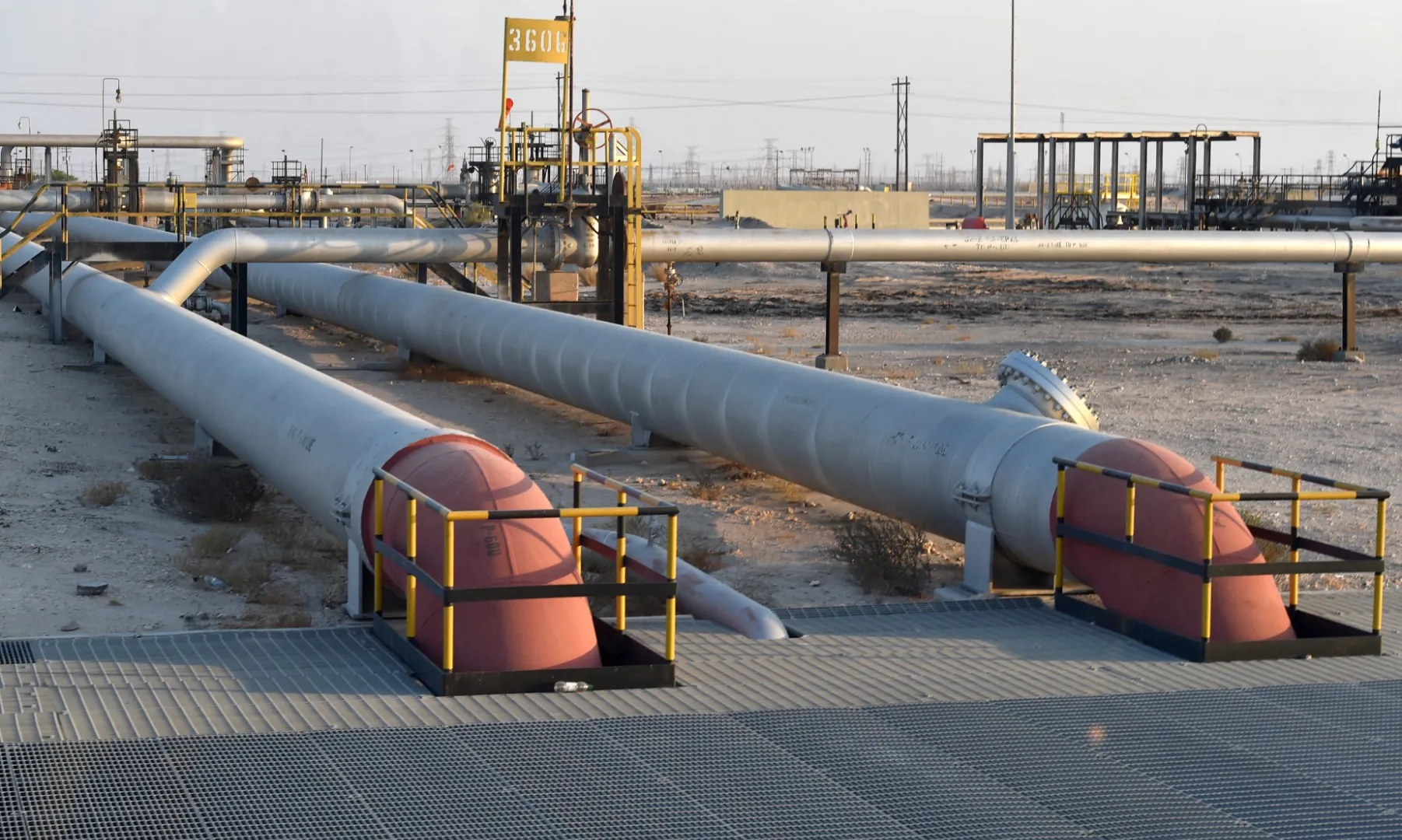

Saudi Arabia’s Ministry of Energy announced Sunday the restoration of full capacity to the East-West oil pipeline, bringing daily production back to approximately 7 million barrels. This recovery, following recent attacks that significantly curtailed output, underscores the robust operational resilience of Saudi Aramco and the Kingdom’s broader energy infrastructure. The resumption of this critical energy artery is a significant positive development for global oil markets and reinforces Saudi Arabia’s pivotal role in ensuring energy security, particularly in light of ongoing disruptions in other key global transit routes. The ability to swiftly restore output from both the Manifa and the partially repaired Khurais oilfields demonstrates sophisticated crisis management capabilities, a crucial element for navigating the volatile geopolitical landscape.
The East-West pipeline’s restoration has a substantial business impact, bolstering stable oil supplies to both regional and international consumers. This is particularly relevant given current geopolitical uncertainties and the increasing reliance on alternative energy sources. The pipeline serves as a vital bridge for Saudi Arabia’s hydrocarbon exports, a cornerstone of the kingdom’s economy and a major source of sovereign capital. The efficiency of the repair efforts is expected to attract further investment in pipeline maintenance and security, fostering a more secure and reliable energy supply chain. Furthermore, the resilience displayed by Saudi Aramco in managing these disruptions will likely serve as a benchmark for energy companies operating in the MENA region, potentially stimulating investment in similar risk mitigation strategies.
Beyond the immediate operational recovery, the incident highlights the ongoing importance of sovereign capital deployment in safeguarding critical energy infrastructure. Saudi Arabia’s substantial reserves have been strategically channeled into maintaining and enhancing pipeline security, a proactive approach that has proven effective in mitigating potential disruptions. This reinforces the importance of governments across the MENA region investing in cybersecurity and physical security measures for energy assets. Technological advancements in pipeline monitoring and automated response systems are crucial to prevent future incidents. Furthermore, the incident underscores the need for regional collaboration among energy producers to share best practices and coordinate responses to emerging threats, fostering a more secure and diversified energy sector.
The East-West pipeline incident and subsequent recovery have important implications for regional infrastructure and venture capital. While the full extent of the damage to the Khurais field remains under investigation, the rapid restoration suggests the long-term viability of existing infrastructure. This success may spur further investment in regional pipeline projects, creating opportunities for local engineering firms and technology providers. Venture capital firms operating in the MENA region are recognizing this resilience, with increased interest in companies focused on cybersecurity, operational technology (OT) security, and autonomous pipeline management solutions. The ongoing disruptions have also prompted a reassessment of risk profiles within the region, leading to a greater focus on projects with demonstrated operational flexibility and robust security protocols.