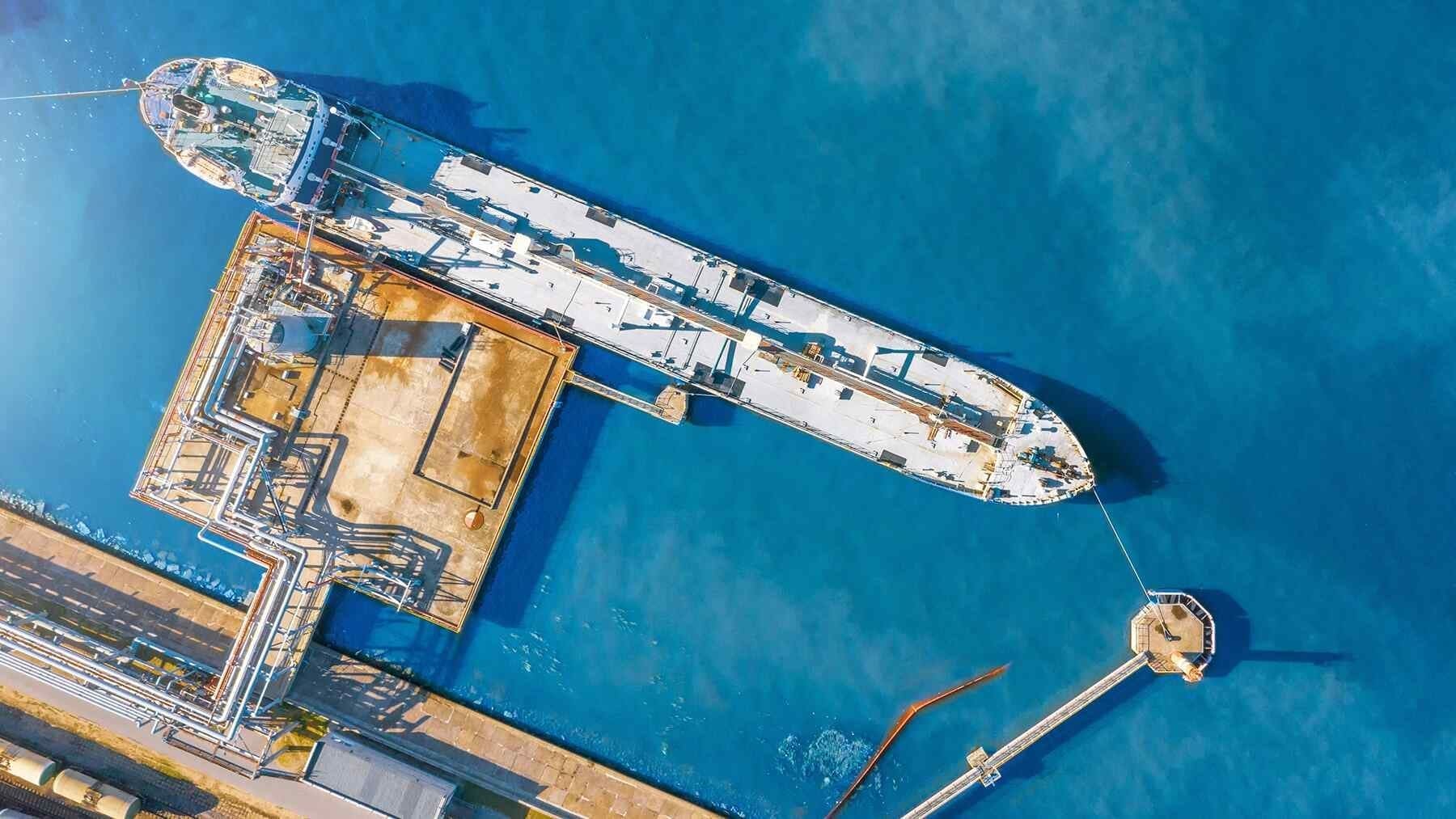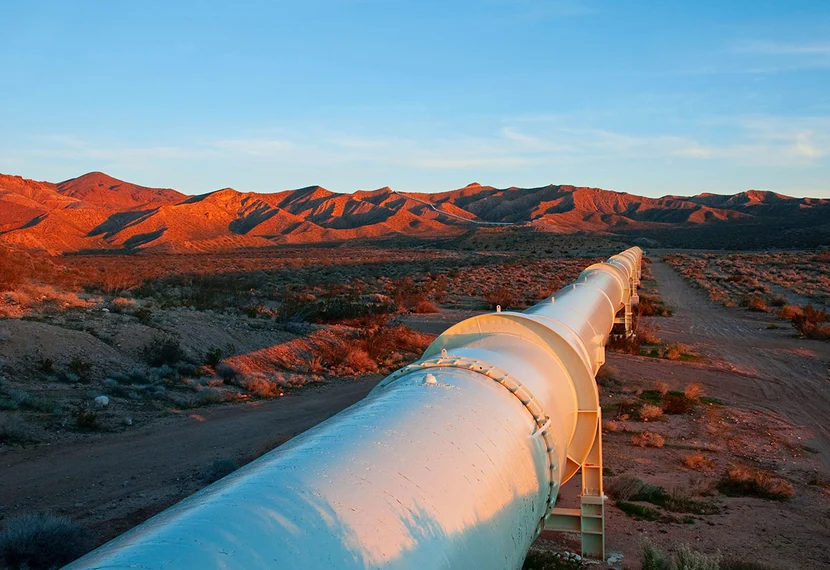

The swift restoration of full pumping capacity on Saudi Arabia’s East-West (Petroline) pipeline, confirmed by the Ministry of Energy, represents a critical stabilization event for regional energy markets and underscores the Kingdom’s commitment to maintaining supply chain integrity amidst heightened geopolitical risk. The recent attacks, attributed by Riyadh to Iranian-backed actors, targeted a broad spectrum of energy infrastructure, including crude processing, gas handling, refining, and electricity facilities. While the Ministry refrained from direct attribution, the escalating tensions with Iran and the demonstrated targeting of vital assets necessitate a reassessment of security protocols and a potential acceleration of diversification strategies within the Saudi energy sector.
The business impact extends beyond immediate production levels. The disruption, however temporary, highlights the vulnerability of the Kingdom’s reliance on key chokepoints and reinforces the strategic rationale behind the Petroline’s construction – to bypass the Strait of Hormuz. We anticipate increased scrutiny from sovereign wealth funds, particularly PIF, regarding investments in defensive infrastructure and alternative transport routes. Furthermore, the incident is likely to catalyze further investment in cybersecurity and physical security measures across the energy sector, potentially creating opportunities for specialized technology providers. Venture capital firms focused on energy resilience and security technologies within the MENA region should see increased investor interest.
The response to these attacks also has significant implications for regional infrastructure development. The rapid restoration of capacity demonstrates the robustness of Saudi Arabia’s engineering and maintenance capabilities, but also underscores the need for redundancy and distributed energy systems. We expect to see accelerated planning for alternative pipeline routes and increased investment in renewable energy sources to reduce dependence on fossil fuel infrastructure. The incident will likely prompt neighboring Gulf states to review their own energy security strategies and potentially collaborate on joint infrastructure projects, funded in part by sovereign capital, to mitigate similar risks. The long-term effect could be a shift towards a more decentralized and resilient energy landscape across the GCC.
Looking ahead, the volatility in energy markets will persist, driven by the ongoing geopolitical tensions and the potential for further disruptions. While the immediate crisis appears to have been contained, the underlying risks remain. The Kingdom’s ability to rapidly restore capacity is a testament to its operational capabilities, but sustained security requires a multifaceted approach encompassing enhanced security measures, diversification of energy sources, and strategic partnerships. The events serve as a stark reminder of the interconnectedness of regional stability and global energy security, and the imperative for proactive risk management within the MENA region’s critical energy infrastructure.