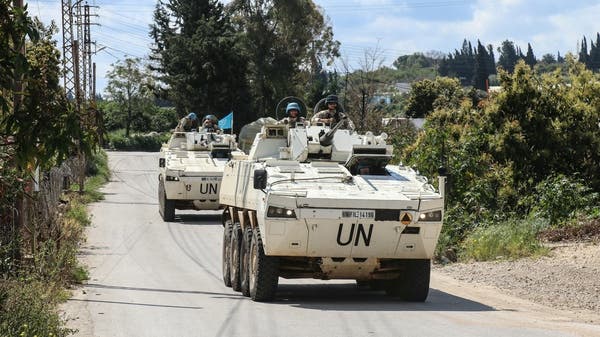

The escalating kinetic friction between the Israel Defense Forces (IDF) and UNIFIL forces in Southern Lebanon signals a profound degradation of the security architecture governing the Levant. As reports emerge of systematic IDF interference with peacekeeping mobility and the targeting of UN infrastructure, the region is witnessing the collapse of a decades-old buffer mechanism. For institutional investors and sovereign wealth funds (SWFs), this volatility transforms Southern Lebanon from a dormant risk into an active contagion vector, threatening to destabilize the broader macroeconomic outlook for the Eastern Mediterranean.
From a capital deployment perspective, the heightened instability is likely to trigger a flight to safety, further concentrating regional liquidity within the GCC’s “safe haven” hubs. The systemic risk posed by an unchecked conflict between Israel and Hezbollah creates a prohibitive environment for foreign direct investment (FDI) in Lebanese infrastructure and energy sectors. Furthermore, the potential for a wider regional spillover increases the risk premium on sovereign debt across the Levant, complicating refinancing efforts and stifling the growth of nascent venture capital ecosystems that rely on cross-border political stability to scale.
The operational implications for regional infrastructure are severe. Disruptions to logistics corridors and the potential for expanded targeting of strategic assets threaten the viability of long-term transit and trade initiatives. As UNIFIL’s mandate approaches its expiration at the end of the year, the absence of a credible security successor creates a power vacuum that will likely deter institutional capital from any projects involving regional connectivity. The erosion of international peacekeeping efficacy suggests that security guarantees in the region are shifting from multilateral frameworks to unilateral military deterrence, adding a layer of unpredictability to institutional risk modeling.