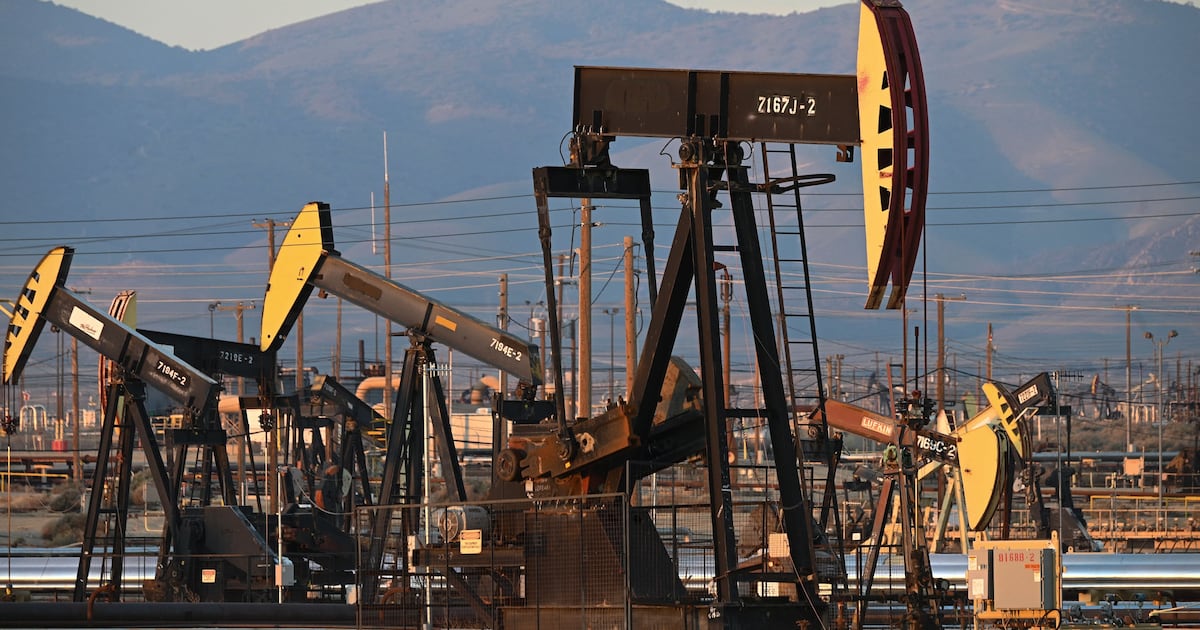

Saudi Arabia’s swift restoration of the East–West pipeline to full capacity—7 million barrels per day—exemplifies the Kingdom’s strategic resilience in mitigating geopolitical disruptions, a critical factor for maintaining energy security and global supply chain stability. The rapid recovery of 300,000 barrels per day from the Manifa field, achieved within days of Iranian strikes, underscores Saudi Aramco’s operational expertise and the efficacy of state-backed crisis management frameworks. This move not only safeguards Saudi Arabia’s position as a cornerstone of global energy markets but also reinforces investor confidence in the sector amid heightened regional tensions, particularly following the U.S. and Israeli bombardment of Iran. The incident highlights the fragility of energy infrastructure in conflict zones and the imperative for sovereign entities to prioritize redundancy and rapid response mechanisms to insulate economic stability from external shocks.
The recovery of these assets carries profound implications for sovereign capital dynamics, as Saudi Arabia’s ability to mobilize both public and private resources to restore operations reflects its robust financial governance and access to international capital markets. By swiftly addressing production losses and recovering affected volumes, Riyadh mitigates short-term revenue volatility while reinforcing its role as a regional linchpin in energy security. The event also underscores the importance of sovereign capital in underpinning critical infrastructure, with state-controlled entities like Saudi Aramco serving as catalysts for economic continuity. For global investors, this reaffirms the Kingdom’s strategic value in energy diversification strategies, particularly as tensions in the Middle East persist and reshape long-term demand forecasting.
Regionally, the pipeline’s restoration signals a pivotal moment for infrastructure resilience and energy integration in the Middle East and North Africa (MENA). While Saudi Arabia’s response highlights its dominance in energy logistics, it also raises questions about the broader MENA infrastructure landscape, particularly in nations less equipped to absorb similar shocks. The pipeline’s role in facilitating cross-border energy flows emphasizes the need for coordinated regional efforts to modernize and secure energy networks, potentially catalyzing venture capital inflows into smart grid technologies, energy security startups, and decentralized production models. As the Kingdom positions itself as a hub for energy innovation—coupled with its Vision 2030 diversification agenda—this incident may accelerate investments in technologies that enhance supply chain agility and reduce dependency on vulnerable centralized systems. The message is clear: in an era of escalating geopolitical risk, energy infrastructure is not merely a commodity but a strategic asset demanding proactive, capital-intensive solutions.