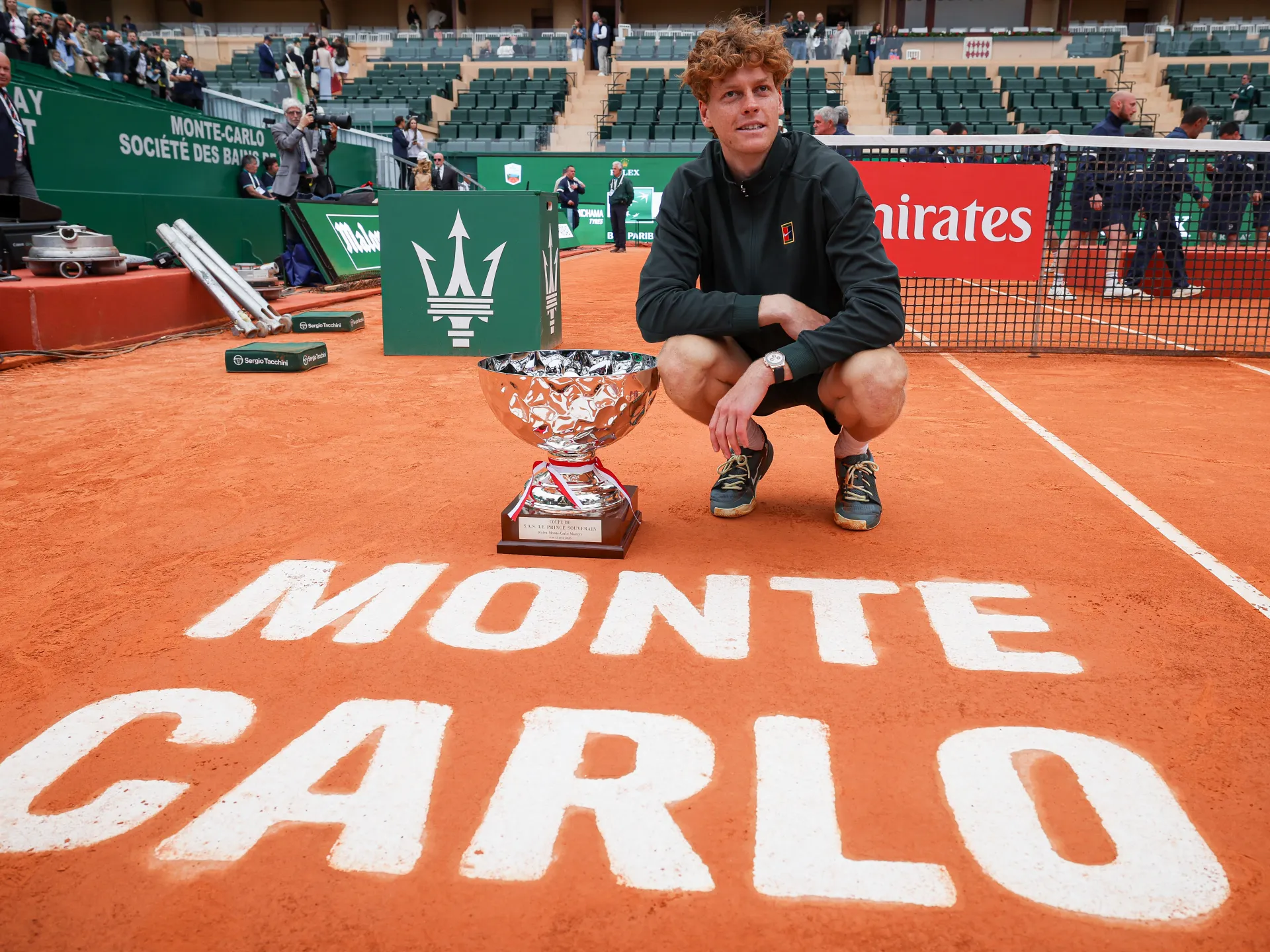

Jannik Sinner’s triumph at the Monte Carlo Masters, which saw him reclaim the ATP No. 1 ranking, underscores the growing commercial magnetism of elite tennis for investors seeking exposure to the MENA sports ecosystem. Sovereign wealth funds across the Gulf have already earmarked $2.4 billion for sports‑related assets, and Sinner’s back‑to‑back Masters titles amplify the case for deeper capital commitments to tournament licensing, hospitality venues and digital rights platforms targeting affluent Middle‑Eastern audiences. The victory arrives as the United Arab Emirates, Saudi Arabia and Qatar negotiate new media‑rights bundles that could lift regional broadcast revenues by an estimated 18 % year‑on‑year, a direct function of heightened star power and the narrative of rivalries that command global viewership.
Venture capitalists operating in the region are leveraging this momentum to accelerate funding rounds for sports‑technology startups focusing on fan‑engagement analytics, live‑streaming latency solutions, and AI‑driven performance coaching. The Monte Carlo final, streamed to over 30 million households in the Middle East, provided a live showcase for firms such as Dubai‑based SpinMetrics and Riyadh‑based VibePlay, each of which raised a combined $120 million in the last quarter, citing the event’s “unparalleled data set” as a catalyst for scaling. Moreover, the tournament’s partnership with regional sovereign investors signals a tacit endorsement of the venture pipeline, encouraging further private‑equity inflows into the burgeoning sports‑tech cluster that now rivals the fintech sector in capital allocation.
Infrastructure development is another tangible by‑product of the heightened interest. The Monaco‑Monte Carlo partnership has spurred a joint venture with the Kuwait Investment Authority to construct a state‑of‑the‑art training complex on the French Riviera, slated for completion in 2028. The facility will feature a climate‑controlled clay court, a high‑performance data centre, and a hospitality hub designed to accommodate MENA delegations, effectively creating a new conduit for tourism dollars and ancillary spending. Early projections estimate that annual economic spill‑overs could surpass $350 million, bolstered by ancillary events, luxury hospitality packages, and increased demand for premium travel services across the Gulf.
In sum, Sinner’s on‑court success is being reframed as a catalyst for a broader financial narrative in the Middle East and North Africa. Sovereign capital is being mobilised to secure media rights, venture capital is flowing into adjacent tech ecosystems, and cross‑border infrastructure projects are being fast‑tracked to capture the ancillary revenues of world‑class sport. The ripple effects of a single final therefore extend far beyond the baselines, shaping a multi‑billion‑dollar investment thesis that positions the MENA region as a pivotal hub in the global sports economy.