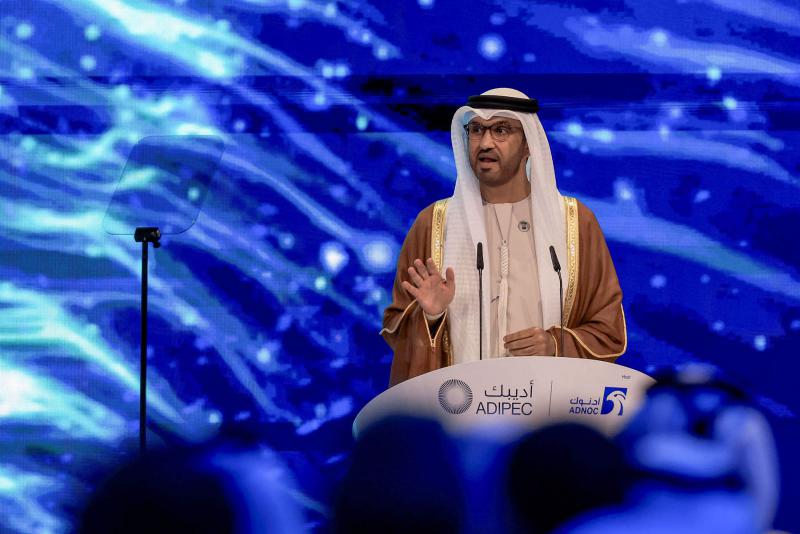

ABU DHABI – The UAE has issued a stern ultimatum to Iran, demanding the Strait of Hormuz be reopened without “conditions” or “local political leverage” and that Tehran accept full liability for the ensuing losses. An impasse at the world’s most vital maritime chokepoint has already cost ADNOC – the UAE’s flagship oil company and a pillar of the nation’s sovereign wealth – by forcing production cuts that fell by more than 50 % in March. The resulting output shortfall has compelled the company to re‑route crude via alternative pipelines, adding logistical complexity that will erode margins unless the flow is restored swiftly.
For the broader MENA region, the incident underscores the fragility of energy infrastructure that underpins sovereign capital streams. Saudi Arabia, Qatar, Kuwait and Bahrain have already borne the brunt of facility attacks, while the region’s heavy reliance on the Hormuz corridor for more than 80% of its LNG and crude exports exposes the entire Gulf cooperative structure to contagion. The threat to energy security has thus prompted a review of cross‑border pipeline resilience, port fortification and the deployment of advanced digital monitoring to pre‑empt future disruptions.
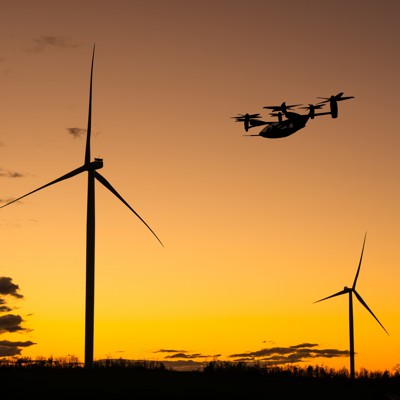
Venture capital activity in the Gulf has already pivoted toward “energy‑tech” and cybersecurity startups, deploying risk‑adjusted capital into projects that can run end‑to‑end under autonomous control. The UAE, meanwhile, is doubling its sovereign capital investment in alternative-energy hubs, affirming a long‑term shift away from oil dependency. By 2028, the diversification roadmap projects a 25% cumulative growth in renewable‑energy output, funded in large part by sovereign-backed debt and private equity streams that are being aggressively sourced through regional VC platforms.
In short, the ongoing closure of the Strait of Hormuz is no longer a geopolitical flare‑up but a blatant economic shock to the MENA region’s core infrastructure and sovereign wealth frameworks. Unless Iran complies with the UAE’s demands and accepts reparations, the ripple effects—market volatility, tightening supply chains, and heightened capital outflows—will test the resilience of Gulf economies and the broader global financial system.