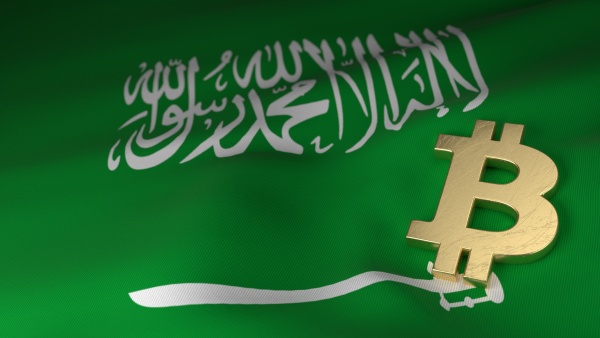

According tofresh market modelling released by IMARC Group and cited in industry outlets, Saudi Arabia’s cryptocurrency ecosystem is projected to swell from $24.9 billion at the close of 2025 to $47.8 billion by 2034—a compound annual growth rate of 7.5 percent. This trajectory is not merely a function of speculative trading; it is fundamentally anchored in the Kingdom’s sovereign‑driven Vision 2030 agenda, which seeks to repurpose oil revenues into a diversified, technology‑centric economy. The state’s fiscal reorientation is channeling unprecedented levels of sovereign capital into digital asset infrastructure, thereby reshaping the Kingdom’s financial architecture.
Venture capital inflows have accelerated in parallel, with regional funds and global limited partners deploying hundreds of millions of dollars into Saudi‑based blockchain startups, crypto‑exchange platforms, and hybrid fintech‑crypto ventures. This influx reflects a strategic bet that digital assets will become a cornerstone of the Kingdom’s export‑oriented services sector, particularly as the nation leverages its young, tech‑savvy demographic—nearly 70 percent of the population under 35—to seed experimentation with tokenised economies and play‑to‑earn gaming ecosystems.
Regulatory scaffolding has been deliberately crafted to foster a business‑friendly environment: the Saudi Central Bank’s participation in the mBridge cross‑border CBD‑C swap with the UAE, Thailand and China illustrates a policy framework that blends interoperable sovereign digital currencies with real‑time settlement capabilities. Such sovereign infrastructure not only legitimises cryptocurrency usage but also catalyses cross‑border financing, attracting offshore investors to Saudi‑originated token issuances and infrastructure providers.
The consequential ripple effect on regional financial markets is profound. As Saudi Arabia integrates blockchain into supply‑chain logistics, cash‑less retail incentives, and institutional investment vehicles, neighboring Gulf Cooperation Council states are likely to emulate its regulatory model, spurring a cascade of investment into shared digital infrastructure. The resultant ecosystem positions the Middle East and North Africa (MENA) as a burgeoning hub for sovereign‑backed crypto finance, with implications for capital allocation, fintech talent migration, and the broader geopolitical balance of emerging digital economies.