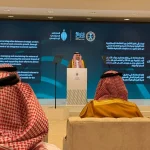

Thenewly approved 2026-2030 strategy by the Public Investment Fund (PIF) represents a pivotal recalibration of sovereign capital deployment in the Middle East and North Africa (MENA), emphasizing business impact over transactional focus. By structuring investments into the Vision, Strategic, and Financial Portfolios, PIF is reinforcing its mandate to transform the region’s economic architecture while maximizing sovereign capital efficiency. This approach underscores a deliberate shift toward fostering high-impact ecosystems that integrate financial returns with regional infrastructure development, positioning the MENA market as a compelling destination for sovereign and venture capital. The strategy’s emphasis on competitive domestic ecosystems—such as those in tourism, clean energy, and advanced manufacturing—highlights a broader institutional commitment to reducing dependency on oil revenue while creating scalable economic value. For sovereign investors, this represents an opportunity to anchor long-term capital in a diversified, innovation-driven portfolio, leveraging PIF’s growing credibility in global markets.
The strategic segmentation of PIF’s investments into three portfolios reflects a nuanced understanding of capital allocation risks and rewards, particularly relevant to MENA’s economic challenges. The Vision Portfolio’s focus on sectoral synergy—targeting six ecosystems across critical areas like urban development and AI—aims to catalyze regional infrastructure modernization while unlocking latent private-sector potential. This aligns with global trends where sovereign wealth funds increasingly act as enablers of venture capital-grade investments in tech and sustainability. The Strategic Portfolio, by contrast, prioritizes financial rigor, actively managing assets to deliver consistent returns and stimulate cross-border collaboration. For VC investors, this portfolio offers a curated pathway to high-growth MENA-based opportunities, mitigating country-specific risks through PIF’s institutional backing. Meanwhile, the Financial Portfolio’s global diversification not only strengthens PIF’s balance sheet but also signals to international capital the region’s attractiveness as a secondary market, complementing domestic growth narratives. Together, these portfolios create a framework that addresses MENA’s need for both capital influx and institutional maturity, critical for sustaining venture-driven innovation.
The long-term implications of PIF’s strategy extend beyond Saudi Arabia, influencing regional infrastructure and investment flows across MENA. By prioritizing ecosystems that integrate technology, energy, and mobility, the fund is directly addressing infrastructure gaps that have historically constrained economic diversification. This could spur a ripple effect, attracting related venture capital into adjacent sectors while encouraging knowledge transfer across borders. However, success hinges on PIF’s ability to maintain governance standards amid scaling—a challenge given the fund’s rapid expansion. From a sovereign perspective, the strategy’s emphasis on efficiency and risk management enhances the fund’s appeal, aligning with global expectations for responsible capital deployment. As MENA competes for global capital, PIF’s approach offers a blueprint for leveraging sovereign resources to build resilient, competitive regions. The fund’s credit ratings from top agencies further legitimize its role, potentially catalyzing a revival of sovereign-backed investment in the region, particularly in VC-backed startups facing liquidity constraints.