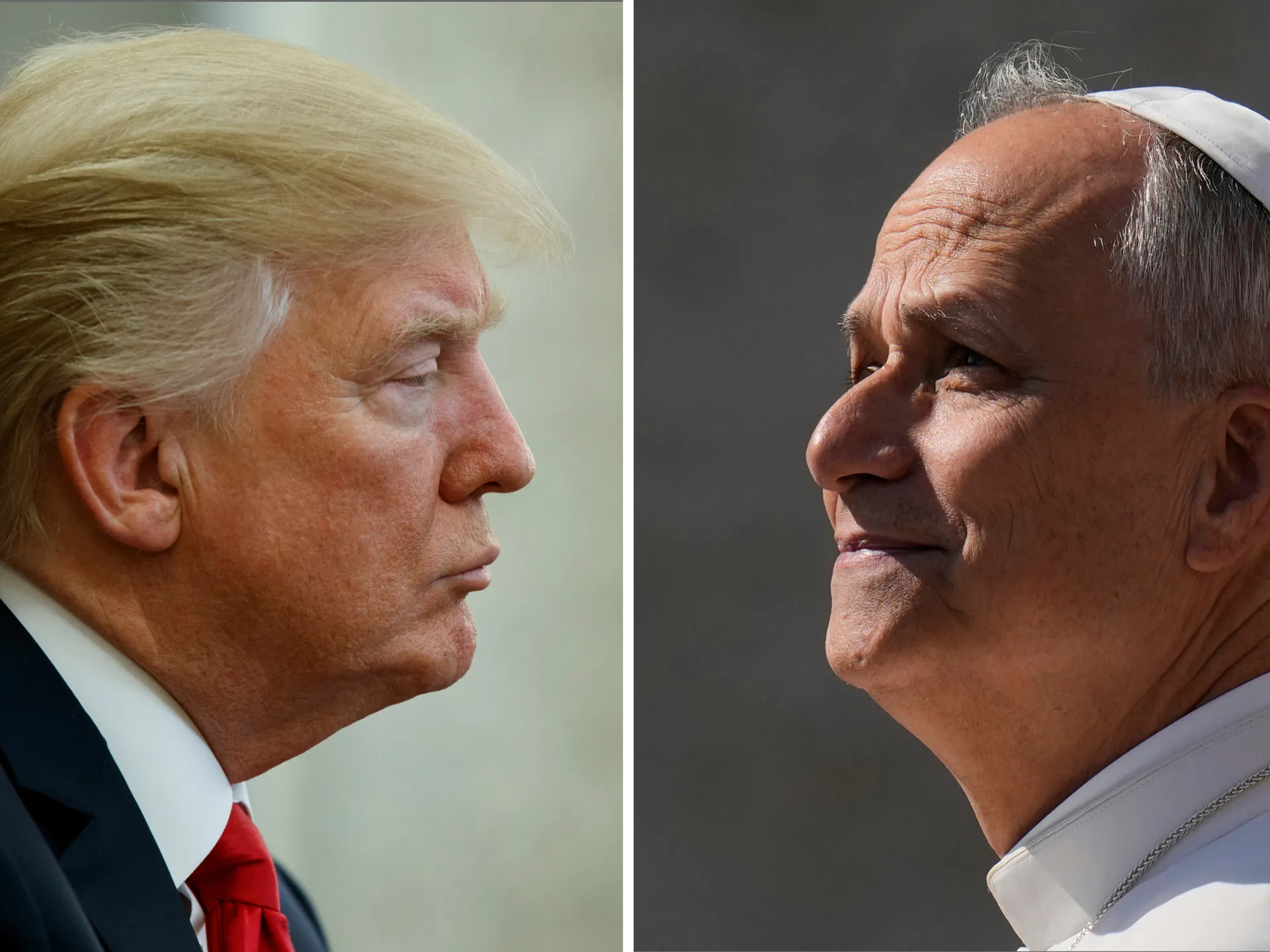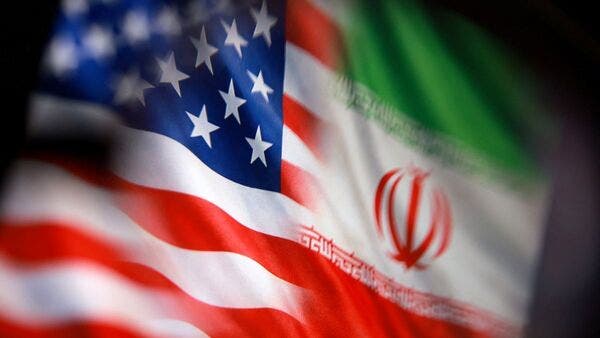

The U.S. Senate’s rejection of a Democratic-led resolution to curb President Trump’s military authority over Iran underscores the deepening geopolitical instability in the Middle East and North Africa (MENA), with profound implications for regional business and investment climates. By blocking efforts to assert congressional oversight, the vote reinforces the executive’s unilateral control over military actions, which could escalate tensions with Iran and destabilize critical trade routes and energy infrastructure in the region. For MENA nations, this uncertainty complicates long-term planning, as heightened risks of conflict threaten supply chains, deter foreign direct investment, and exacerbate volatility in currency markets. The continued U.S. military presence in the Gulf, already a focal point of regional security, may further strain bilateral relations with Gulf Cooperation Council (GCC) states, which are increasingly seeking to diversify their strategic partnerships to mitigate exposure to U.S. policy unpredictability.
The political stalemate also has significant ramifications for sovereign capital flows and MENA’s integration into global financial systems. With the U.S. and Iran locked in a volatile standoff, sovereign wealth funds and state-backed entities in the region may accelerate capital outflows to safer havens, potentially diverting resources from domestic infrastructure and technology initiatives. Moreover, the lack of congressional oversight could undermine confidence in transatlantic economic cooperation, discouraging multinational corporations from establishing long-term investments in MENA. This environment of uncertainty may also limit the region’s access to redemptive financing mechanisms, such as sovereign bonds or green financing, as global investors prioritize stability and legal clarity. For countries reliant on U.S. security guarantees, the erosion of bipartisan support for diplomatic engagement with Iran risks prolonging economic isolation, further hindering efforts to attract venture capital and stimulate private sector growth.
Meanwhile, the standoff between the U.S. and Iran is poised to reshape the venture capital landscape in the MENA region, particularly in sectors like fintech, renewable energy, and defense technology. As U.S. sanctions and military posturing intensify, startups and scale-ups operating in Iran or tied to regional security may face restricted access to Silicon Valley networks and international investment. Conversely, the crisis could spur innovation in MENA’s defense and logistics sectors, as nations seek localized solutions to security challenges. However, the broader economic uncertainty may deter risk-tolerant investors from committing to early-stage ventures, exacerbating the region’s existing funding gaps. For sovereign capital, the lack of a stable diplomatic framework complicates efforts to de-escalate tensions, which are critical for unlocking private sector growth and fostering a cohesive regional economic ecosystem.