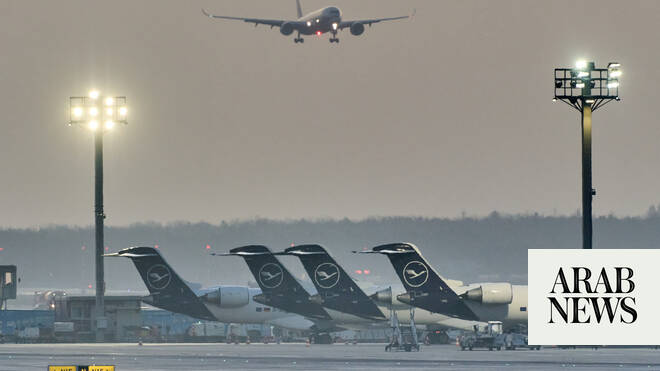

Global aviation is poised for a sharp contraction in the coming weeks as a sustained shortage of jet fuel, rooted in the Gulf conflict, threatens to choke the Middle East–West air corridor. The immediate fiscal fallout will hit airlines across the region and beyond, eroding revenue streams that underpin sovereign capital flows. With European fleets already feeling the squeeze amid rising fuel costs, airlines are trimming routes, canceling flights, and, in some cases, permanently axing aircraft from their fleets—an impact that reverberates through national balance sheets and investor confidence.
Capital markets are bracing for a disproportionate drag on Middle Eastern success stories. Sovereign funds, heavily invested in aviation and tourism derivatives, face sudden liquidity constraints, while venture‑backed aviation tech firms—particularly those focused on digital ticketing, predictive maintenance, and carbon‑offset modelling—risk abrupt valuation freezes. The uncertainty undermines the momentum of private‑equity‑seeded projects, compelling fund managers to redirect capital toward more liquid, diversified infrastructure portfolios that promise resilience against geopolitical shocks.
Infrastructural ramifications are equally stark. Airport operational budgets have already risen by 15–20% in the last quarter due to additional fuel transport logistics. The anticipated shortfall in fuel delivery through the Strait of Hormuz will force airport authorities to re‑engineer flight schedules, negotiate emergency fuel contracts, and, in worst‑case scenarios, divert aircraft to alternative hubs. Smaller domestic airports will lack the bargaining power of their larger counterparts, exacerbating regional economic disparities and potentially stalling the expansion of critical freight corridors that support the GCC’s logistics ambitions.
Policy response will need to balance immediate operational exigencies with long‑term strategic hedging. Governments are exploring bilateral fuel‑supplement agreements, enhancing regional storage capacities, and accelerating investments in low‑carbon hybrid propulsion to hedge against future supply shocks. For investors, the silver lining may lie in derivatives and insurance products that capture the turbulence, while for VC ecosystems the crisis underscores the necessity of flexible, technology‑enabled supply chains that can adapt swiftly to geopolitical volatility.