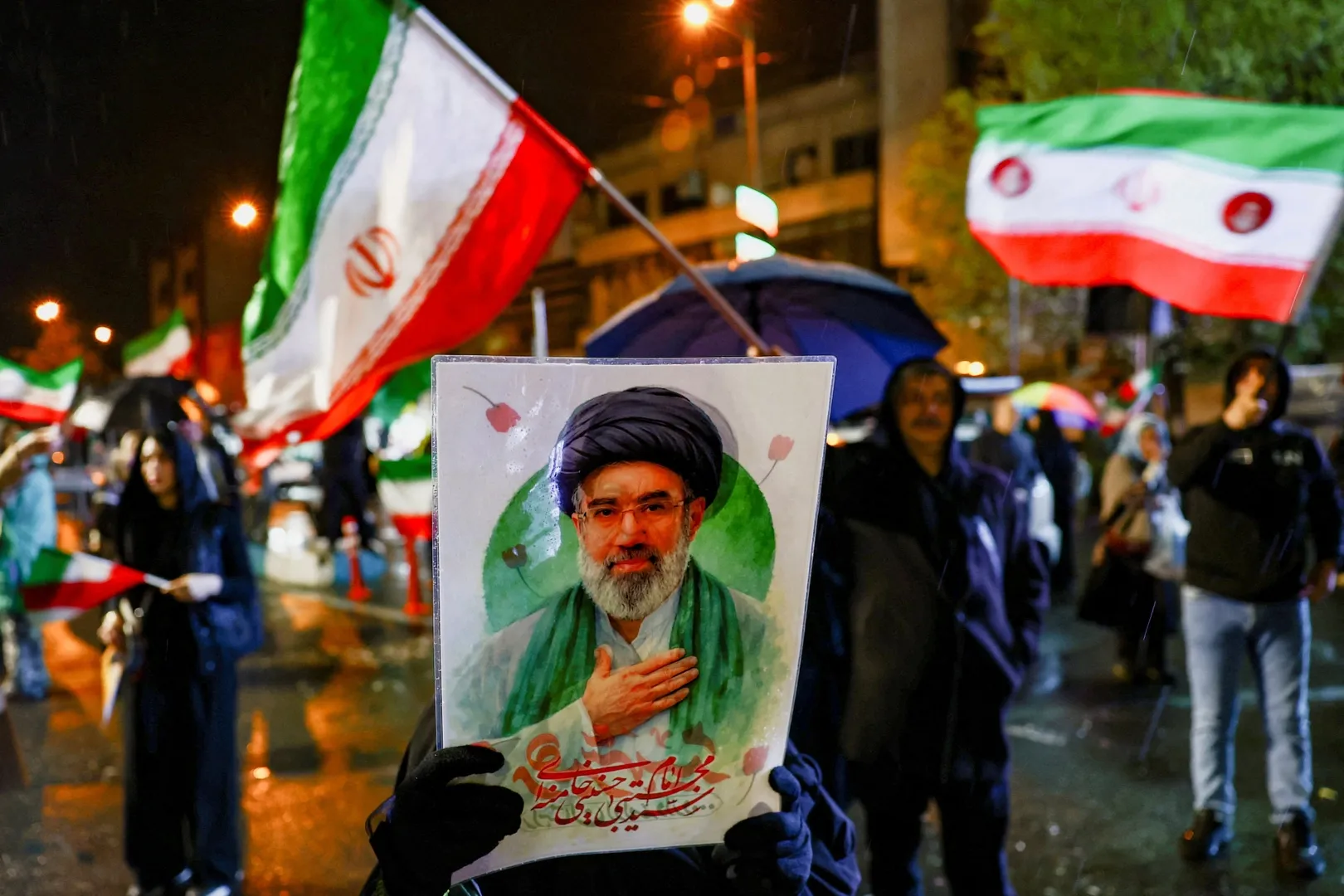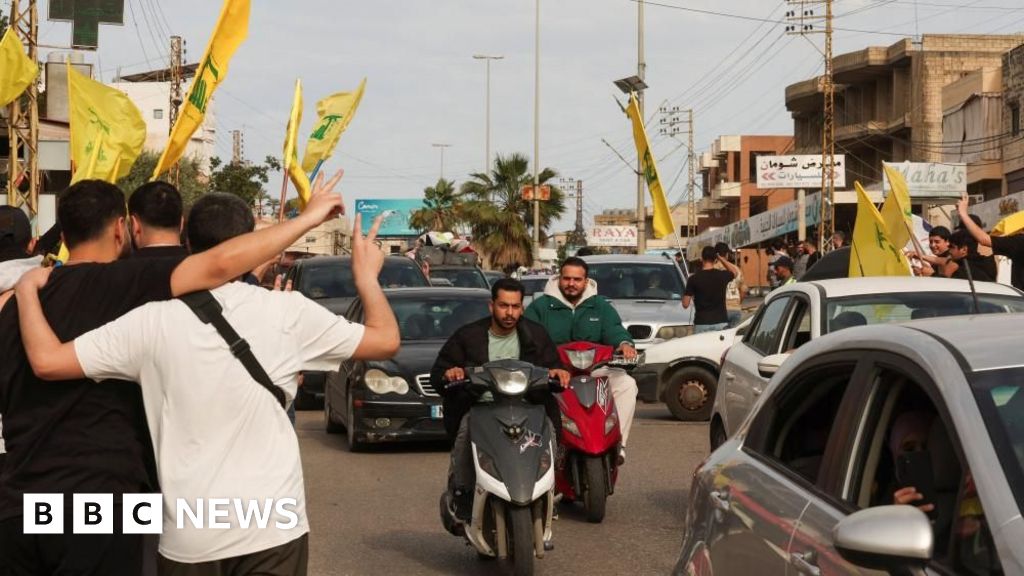

Regional investors and sovereign wealth funds are closely monitoring Lebanon’s protracted standoff over Hezbollah’s armaments, recognizing that the group’s de facto military capacity remains a decisive factor in the country’s fiscal credibility. The United States, Israel and a sizable segment of the Lebanese business community have repeatedly called for full disarmament, arguing that the presence of an independent militia undermines the nation’s ability to secure external financing, hampers debt restructuring negotiations, and deters foreign direct investment. Without a credible commitment to neutralize non‑state armed forces, Lebanon risks being excluded from the next wave of concessional loans and syndicated bonds that are rapidly flowing into Gulf‑backed infrastructure projects across the MENA region.
For the Gulf Cooperation Council (GCC) sovereign wealth funds that have earmarked up to $10 billion for post‑crisis reconstruction in Beirut, the security calculus is pivotal. Disarmament would unlock a tranche of capital currently held in escrow by multilateral lenders, enabling the rapid deployment of funds into critical sectors such as energy, transport and digital infrastructure. Conversely, any escalation of militia activity could trigger covenant breaches in existing sovereign debt instruments, prompting rating agencies to downgrade Lebanon further and inflating borrowing costs across the broader Levant.
Venture capital firms operating out of Dubai, Abu Dhabi and Riyadh have signaled a conditional appetite for Lebanese fintech and renewable‑energy startups, contingent on a verifiable reduction in militia influence over key economic corridors. The “risk‑adjusted return” models employed by these investors incorporate a political‑stability coefficient that heavily penalizes scenarios where armed groups retain autonomous logistics networks. A credible disarmament pathway would recalibrate this coefficient, making the Lebanese market comparable to emerging‑market opportunities in Jordan and Morocco, where private capital is already flowing at unprecedented rates.
Infrastructure planners across the MENA region are also factoring Hezbollah’s arsenal into long‑term corridor projects, including the proposed Gulf‑Mediterranean railway and the Red Sea‑to‑Black Sea energy pipeline. Security guarantees tied to the removal of non‑state weapons are now embedded in memoranda of understanding between Lebanese authorities and regional development banks. The convergence of sovereign capital, venture funding, and infrastructure financing hinges on a decisive political resolution; until then, Lebanon’s economic revival will remain contingent on a fragile security bargain that jeopardizes both regional integration and the return on capital for investors seeking stable, high‑growth environments.