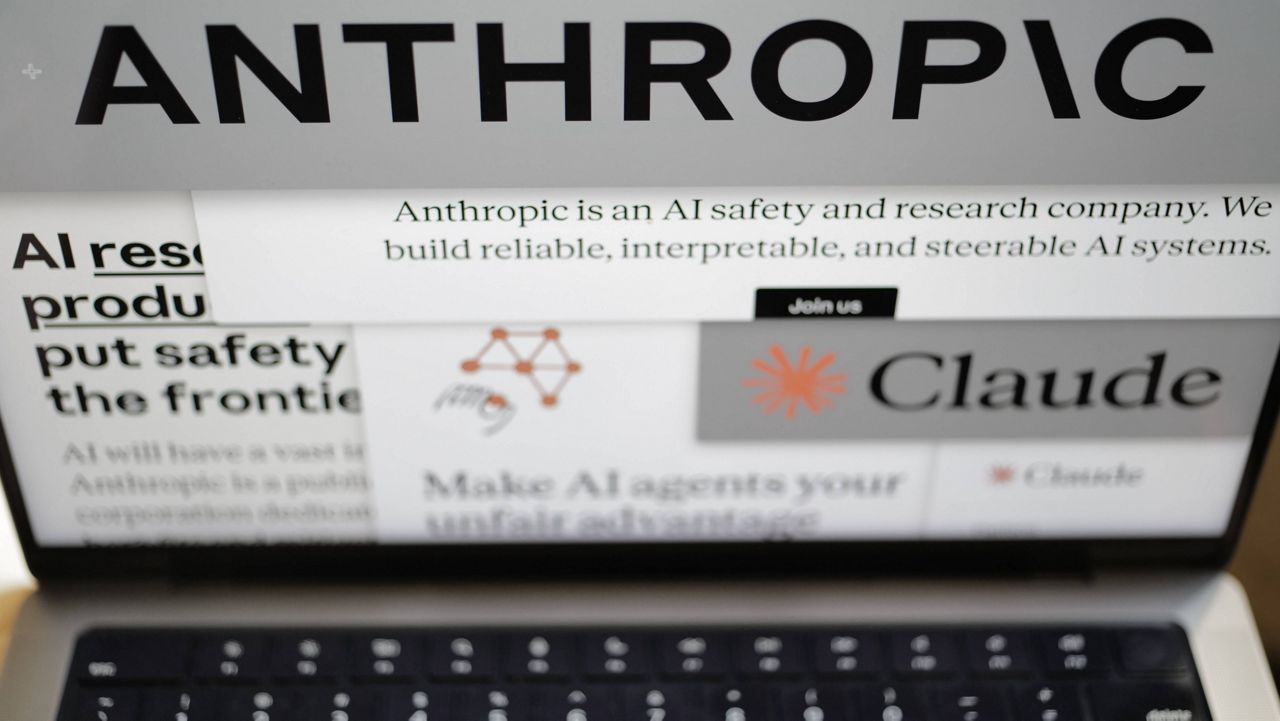

The recent meeting between Anthropic CEO Dario Amodei and White House chief of staff Susie Wiles has drawn attention to the potential implications of the company’s new Mythos model on national security and the economy. The model, which has been touted as “strikingly capable,” has the ability to surpass human cybersecurity experts in finding and exploiting computer vulnerabilities. This has significant implications for the Middle East and North Africa region, where many countries rely heavily on sovereign capital and venture capital to drive economic growth.
The fact that Anthropic has chosen to limit the use of Mythos to select customers highlights the complexity of integrating advanced AI technology into regional infrastructure. The model’s ability to exploit vulnerabilities in software raises concerns about the security of critical systems, including those used in finance, healthcare, and government. This has significant implications for businesses operating in the MENA region, which often rely on complex supply chains and software systems to operate.
The meeting between Amodei and Wiles also highlights the importance of balancing innovation and safety in the development of advanced AI technology. As the MENA region seeks to harness the power of technology to drive economic growth, it must also prioritize the security and stability of its systems. This will require a coordinated effort between governments, businesses, and academic institutions to develop and implement safeguards that can mitigate the risks of advanced AI technology.
The European Union’s AI Security Institute has already evaluated the Mythos model and found it to be a “step up” over previous models, highlighting the global nature of the discussion around AI security. As the MENA region continues to integrate into the global economy, it will be essential to engage with international partners and develop regional cooperation to address the security and economic implications of advanced AI technology.