
The escalating tensions in the Persian Gulf, notably the US-led blockade intended to curtail Iranian oil exports, present significant repercussions for the Middle East and North Africa (MENA) region’s economic and strategic landscape. As the world’s largest importer of Iranian crude, China faces a direct challenge to its energy security, potentially impacting downstream industries and fueling inflationary pressures within its economy. Beyond immediate supply concerns, the geopolitical instability introduces substantial risk to regional trade routes and investment flows, impacting the broader dynamics of sovereign capital deployment and infrastructural development across the MENA region. This disruption underscores the vulnerability of global energy markets to localized conflicts and the need for diversified supply chains.
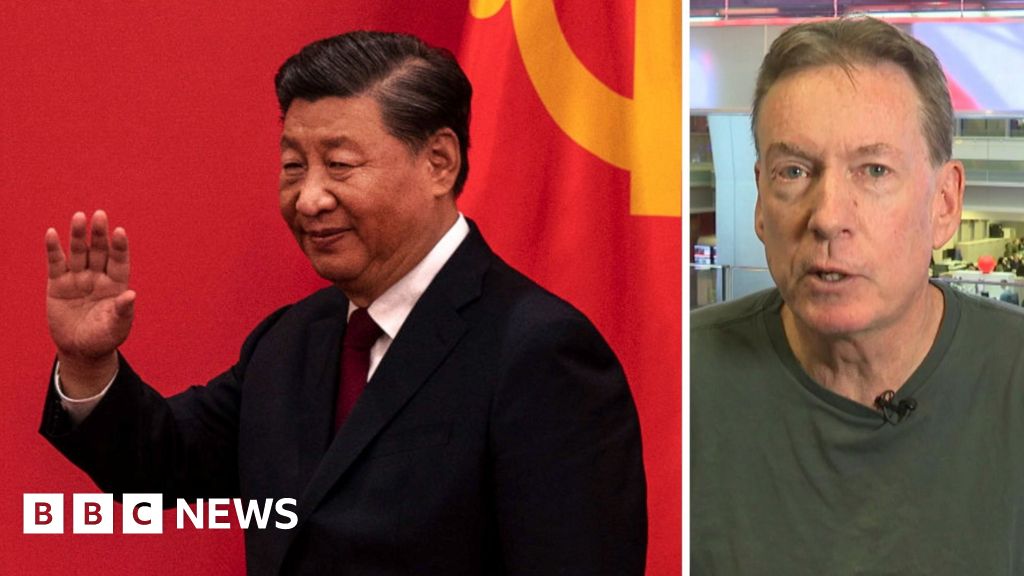
The crisis also carries profound implications for both sovereign and venture capital within the MENA space. Increased uncertainty surrounding energy supplies may deter foreign direct investment, especially in sectors reliant on stable geopolitical conditions. Furthermore, the conflict could exacerbate existing economic vulnerabilities in countries heavily dependent on hydrocarbon revenues. While China’s diplomatic efforts to de-escalate the situation are notable, the absence of a formal defense alliance limits its direct intervention capacity. This necessitates a recalibration of regional power dynamics, potentially accelerating the strategic alignment of MENA nations with alternative economic and security partners. The long-term impact could include a shift in investment priorities towards infrastructure projects that enhance energy resilience and diversification.
The ripple effects extend to regional infrastructure ambitions. Projects aimed at bolstering transport links, particularly those traversing the Gulf, face increased risk and cost uncertainty. The potential for disruption to shipping lanes necessitates a renewed focus on alternative routes and strengthened logistical capabilities. Moreover, the volatile environment may divert capital away from planned infrastructure developments towards security measures and contingency planning. The crisis highlights the crucial need for regional cooperation in mitigating geopolitical risks and fostering a more stable investment climate essential for realizing the full potential of infrastructure projects vital for long-term economic growth and connectivity across MENA. This includes investments in digital infrastructure to enhance resilience and facilitate alternative communication channels.
While military involvement from China remains improbable, its continued diplomatic engagement and economic influence will be critical in navigating the evolving crisis. The situation reinforces the imperative for MENA nations to pursue diversification strategies beyond hydrocarbons, fostering innovation and developing robust non-oil sectors. The long-term business impact will depend heavily on the duration and intensity of the conflict, as well as the effectiveness of diplomatic efforts to restore stability and ensure the unimpeded flow of energy. The resilience of regional infrastructure and the attractiveness of MENA as an investment destination will be tested in the coming months, demanding proactive risk management and strategic adaptation from both public and private sector actors.