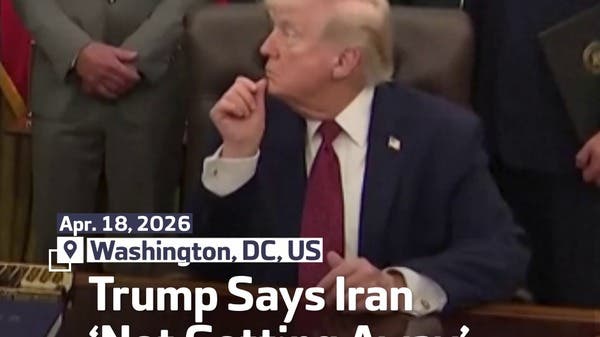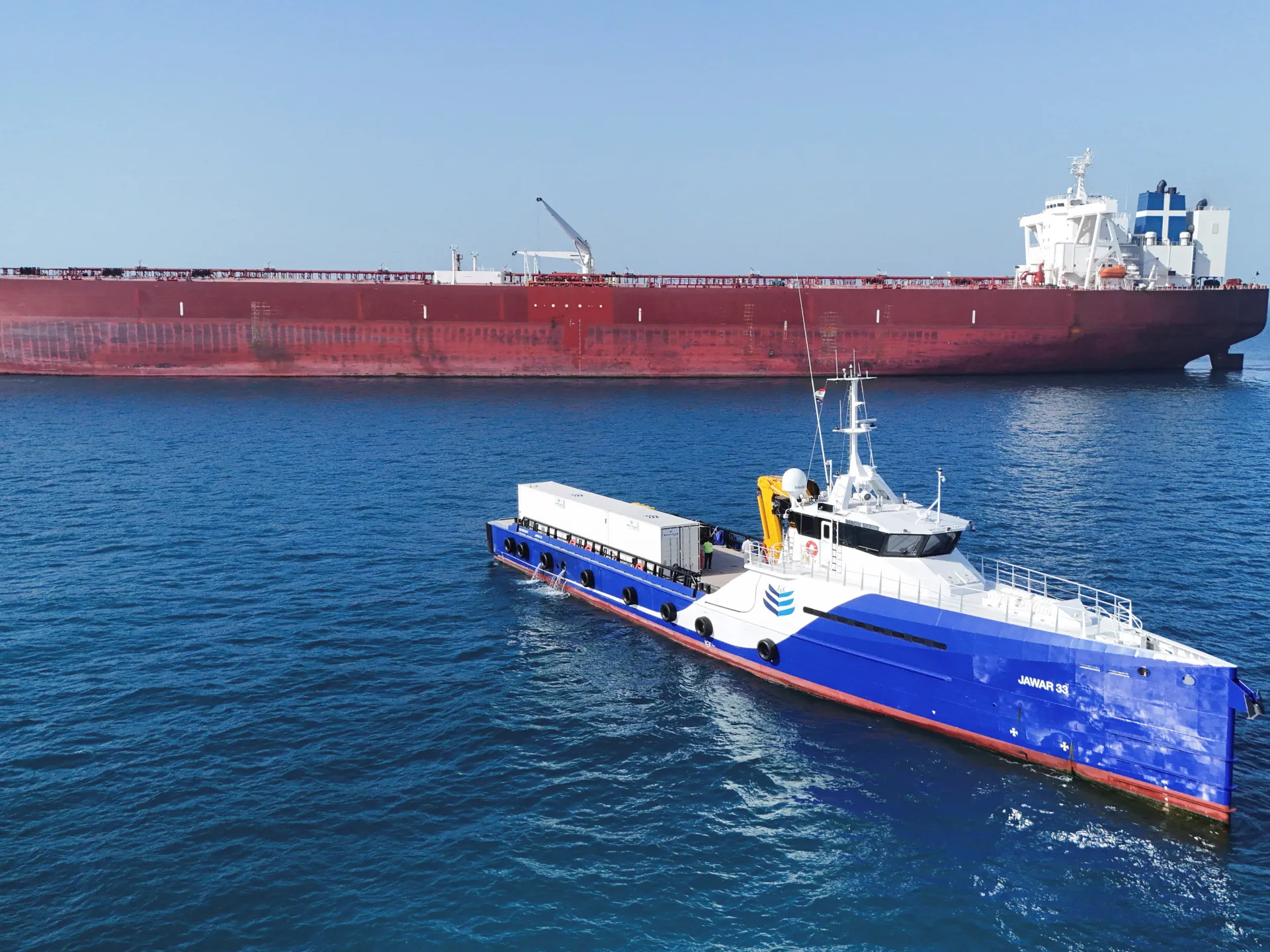

The IRGC’s abrupt closure of the Strait of Hormuz, following a fleeting 24-hour reopening, has effectively neutralized the brief optimism surrounding the US-Israel-Iran ceasefire and reintroduced acute systemic risk to global energy markets. By leveraging the waterway as a geopolitical instrument against a US naval blockade, Tehran has shifted the conflict from a diplomatic stalemate to a direct threat against the primary artery of global oil transit. For the MENA region, this escalation transforms a localized conflict into a broader macroeconomic shock, threatening to decouple regional trade stability from global diplomatic efforts.
The immediate financial fallout centers on a volatility spike in Brent crude and a surge in maritime insurance premiums, which will disproportionately impact GCC economies reliant on seamless export flows. Furthermore, the instability undermines the strategic calculus of sovereign wealth funds (SWFs) across the Gulf, who have been aggressively pivoting toward diversified, non-oil infrastructure and technology investments. A prolonged blockade risks diverting critical capital away from regional “Vision” projects and toward emergency liquidity buffers and national security expenditures, stalling the long-term economic transformation of the Arabian Peninsula.
From a venture capital and technology perspective, the renewed hostility jeopardizes the regional ambition to establish the Middle East as a global hub for digital trade and logistics. The reliance on physical maritime security highlights a precarious vulnerability in regional infrastructure that could deter foreign direct investment (FDI) in high-growth tech sectors. As the US maintains its blockade and Iran asserts territorial control, the region faces a period of heightened institutional uncertainty, where capital flight and risk-aversion among global institutional investors may outweigh the potential gains of any short-term diplomatic breakthrough.