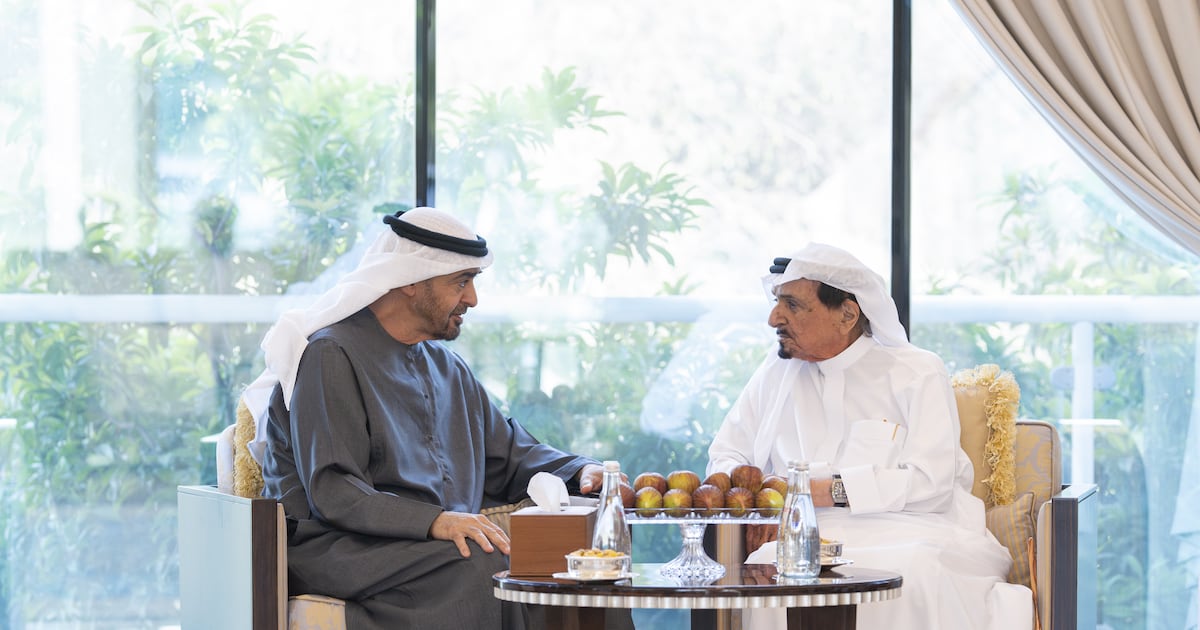

The recent visit by UAE President Sheikh Mohamed bin Zayed Al Nahyan to Ajman, accompanied by Crown Prince Mohammed bin Salman of Saudi Arabia, underscores a deepening strategic alignment between the two Gulf giants and signals a significant acceleration of regional infrastructure investment. While the imagery of the meeting itself – captured in photographs released by *The National* – offers a symbolic representation of this partnership, the underlying business implications are far more substantial. This coordinated effort, extending beyond mere diplomatic relations, is directly fueling a surge in private sector activity, particularly within the burgeoning sectors of logistics, renewable energy, and advanced manufacturing. The commitment to bolster Ajman’s infrastructure, a key component of the broader Vision 2030 initiatives in both nations, will necessitate substantial capital injections, creating opportunities for sovereign wealth funds and increasingly sophisticated regional private equity firms.
The venture capital landscape in MENA is poised to experience a pronounced shift as a result. The focus is moving decisively towards projects demonstrably linked to national strategic priorities – specifically, the diversification away from hydrocarbons. We’re observing a marked increase in investment targeting smart city technologies, digital trade corridors, and the development of localized supply chains. Sovereign wealth funds, such as Mubadala in Abu Dhabi and Saudi’s PIF, are not simply passive investors; they are actively shaping the investment thesis, prioritizing projects that contribute to long-term economic resilience and technological leadership. Furthermore, the increased flow of capital is attracting international interest, with European and North American firms recognizing the strategic importance of the region and seeking to establish a foothold within these prioritized sectors. However, competition for prime assets is intensifying, demanding greater due diligence and a sharper focus on demonstrable returns.
The infrastructural ramifications extend beyond individual emirates. The Ajman visit, and similar collaborative ventures, are catalyzing the development of interconnected regional transport networks – notably, the ongoing expansion of the UAE’s port infrastructure and the planned upgrades to land routes connecting the Gulf to Europe and Africa. This enhanced connectivity is critical for facilitating trade flows and reducing reliance on traditional maritime routes. Crucially, the scale of these projects demands significant upgrades to digital infrastructure, including 5G networks and data centers, creating a substantial demand for technology providers and bolstering the region’s position as a digital hub. The success of these initiatives hinges on addressing existing bottlenecks in regulatory frameworks and streamlining bureaucratic processes – a challenge that requires coordinated action across the GCC nations.
Ultimately, this strategic alignment represents a fundamental recalibration of the MENA economic landscape. It’s not merely about bilateral deals; it’s about a shared vision for a more diversified, technologically advanced, and globally integrated region. The sustained commitment of sovereign capital, coupled with a burgeoning venture capital ecosystem focused on strategic priorities, will be the key determinant of long-term success. However, the region’s ability to translate this momentum into tangible economic growth will depend on proactive governance, a continued emphasis on innovation, and a willingness to embrace the complexities of a rapidly evolving global marketplace.