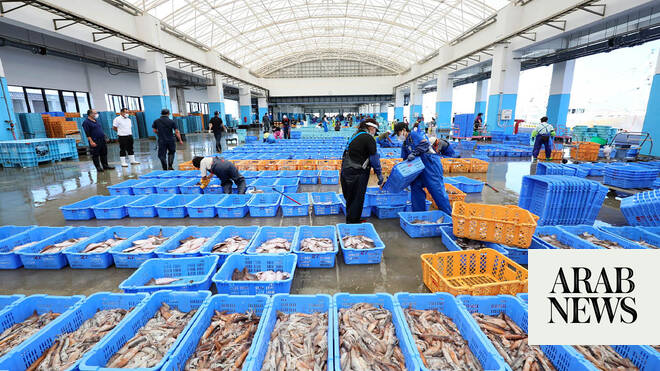

Pakistan’s maritime ministry announced that Russian authorities have cleared 16 domestic sea‑processing facilities for export, unlocking a prospective $300 million market for the country’s fisheries sector. The approval represents a concrete step in Islamabad’s strategy to lessen dependence on traditional buyers in China, the Gulf, and Europe by tapping the Eurasian Economic Union’s growing demand for protein. With current annual seafood exports hovering around $500 million, the Russian channel could raise total export revenues by up to 60 % in the near term, providing a measurable boost to foreign‑exchange earnings and reinforcing the government’s export‑led growth agenda.
The logistical conduit envisaged for these shipments—combining sea, air, and overland routes through Central Asia—highlights the infrastructure imperatives that will determine the venture’s success. Efficient cold‑chain capabilities at Karachi and Port Qasim, coupled with upgraded rail links to Kazakhstan, Uzbekistan, and Turkmenistan, are prerequisite for preserving product integrity and minimizing transit costs. Sovereign wealth funds and state‑backed development banks across the MENA region, which have already earmarked capital for port modernization and logistics hubs, stand to benefit from increased throughput and could consider co‑investment in specialized storage or processing upgrades to capture a share of the upside.
From a regional perspective, the move aligns with broader MENA sovereign capital trends toward diversifying into high‑value agri‑food commodities and associated technology. Venture capital firms active in the Gulf and North Africa have shown rising interest in food‑security tech, traceability solutions, and sustainable aquaculture—areas where Pakistani exporters may seek partnerships to meet Russian standards. Consequently, the Pakistan‑Russia seafood corridor not only offers a immediate revenue stream but also serves as a test case for cross‑regional investment in infrastructure and agri‑tech, potentially prompting further sovereign‑backed allocations toward similar supply‑chain enhancements throughout the Middle East and North Africa.