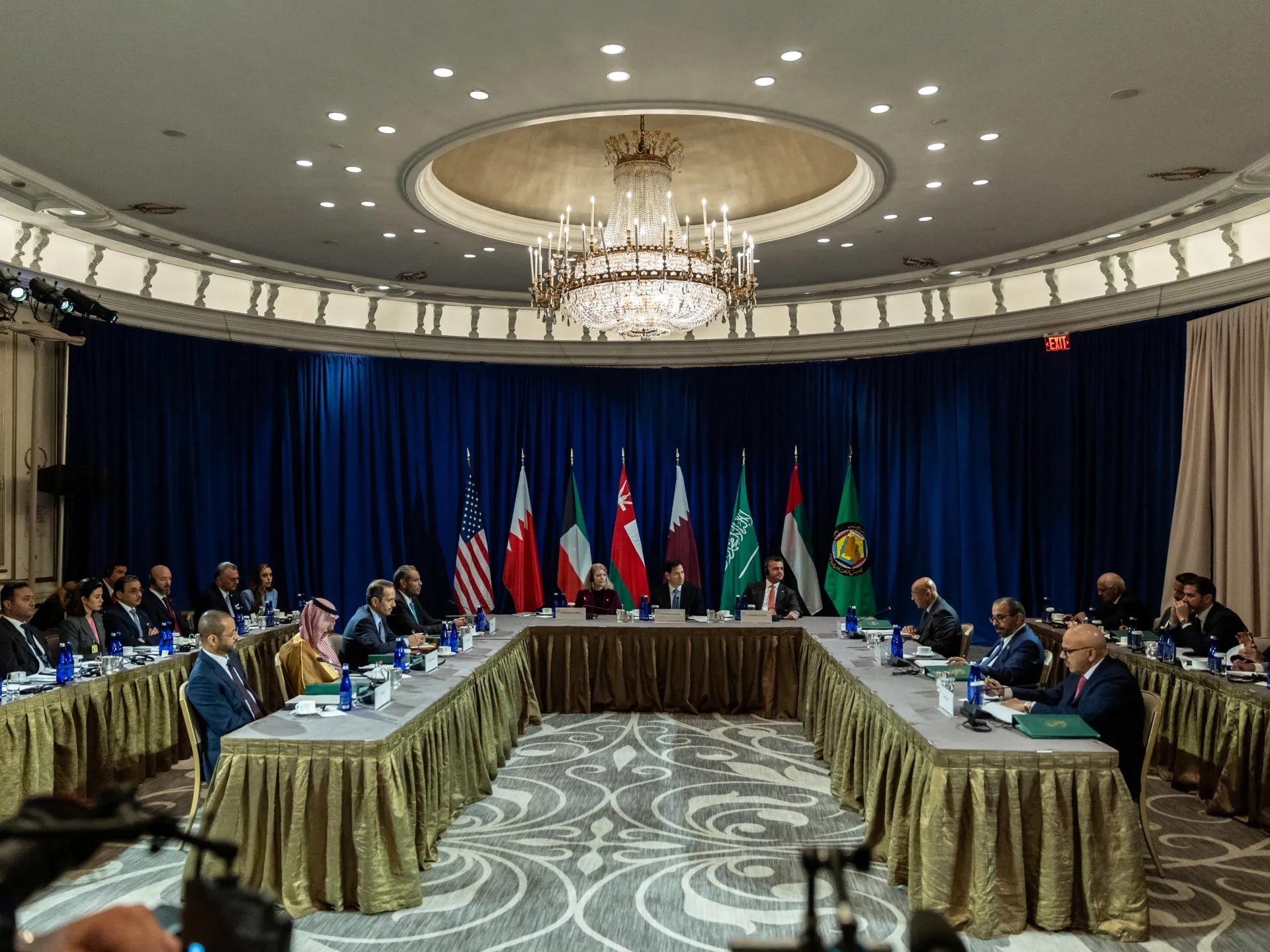

The evolving security dynamics across the Middle East and North Africa are forcing Gulf Cooperation Council member states to recalibrate their long-term economic positioning, sovereign capital deployment, and infrastructure-led integration efforts amid persistent geopolitical fragmentation. Despite maintaining a diplomatic stance centered on negotiation and regional stability, the GCC faces mounting pressure to assert jurisdictional control over critical transit corridors such as the Strait of Hormuz, which remains foundational to global energy supply chains and the viability of intra-GCC capital markets. Any breach of navigational freedom threatens not only hydrocarbon exports but the contractual sovereignty underpinning the region’s sovereign wealth fund allocations and foreign direct investment appetites.
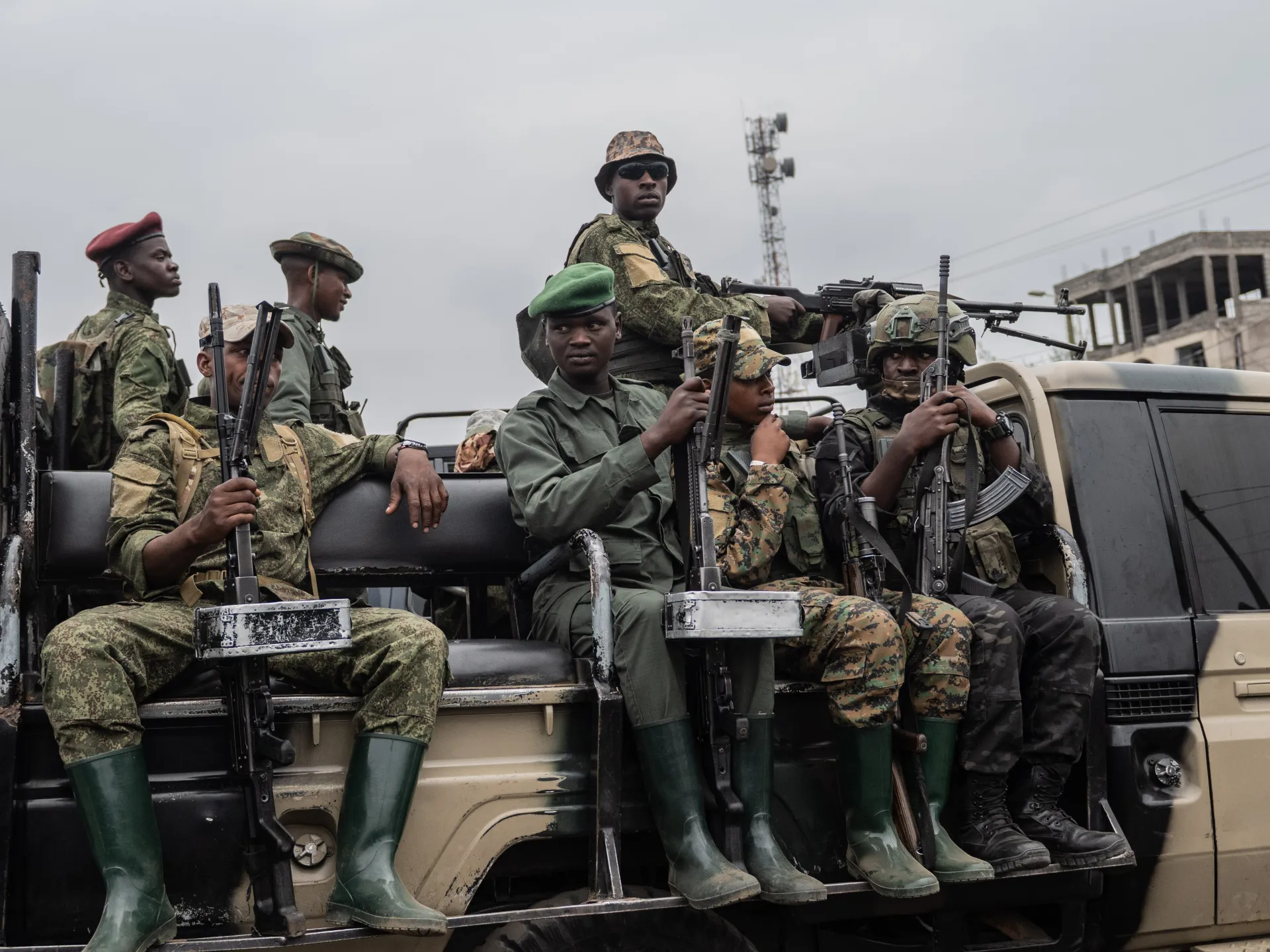
Addressing these vulnerabilities necessitates the acceleration of sovereign-backed mega-projects that span energy modernization, cross-border transportation, and defense coordination. A proposed Gulf-wide energy pipeline and transmission network, extending from Saudi Arabia to the Red Sea and Oman to the Arabian Sea, would insulate the bloc from external chokepoints while cementing regional infrastructure interdependence. Concurrently, the establishment of a formalized defense alliance, potentially mirroring NATO’s strategic architecture and opening membership to regional powers, signals a structural reallocation of GCC sovereign capital toward collective deterrence frameworks—an approach that could appeal to institutional investors seeking long-term stability assurances.
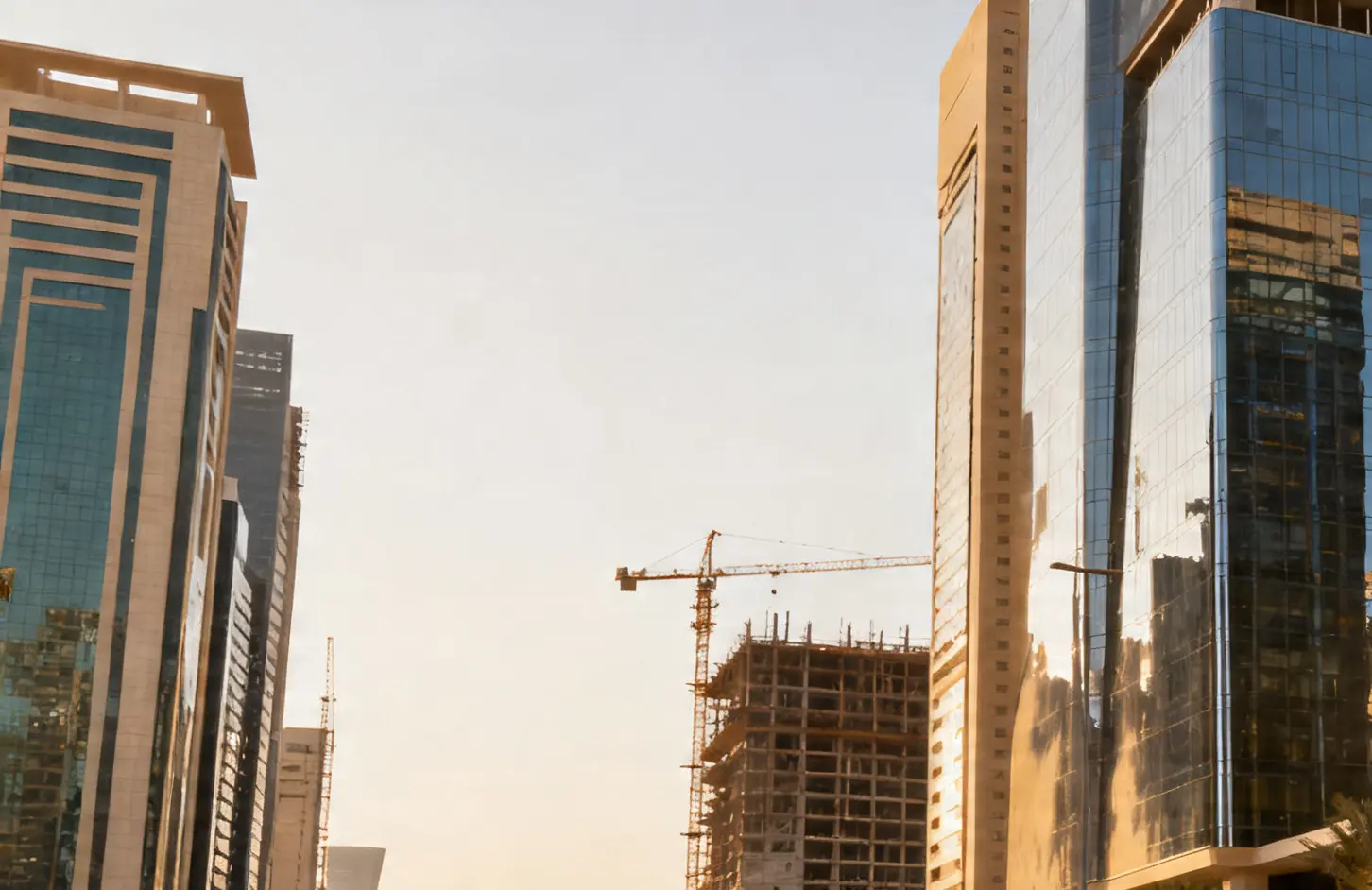
These structural shifts carry parallel implications for venture capital and technology deployment in the region. Cross-border rail corridors, modeled on revived Silk Road dynamics, would create demand for digital logistics platforms, energy trading systems, and cybersecurity infrastructure—all sectors where the GCC is positioning itself as a testbed for sovereign AI and energy security technologies. By aligning large-scale sovereign capital projects with private-sector innovation routes, the Gulf states can pivot from reactive geopolitical positioning toward an integrated economic defense-in-depth model, recalibrating both their risk profile and growth trajectory for the next generation of institutional capital.