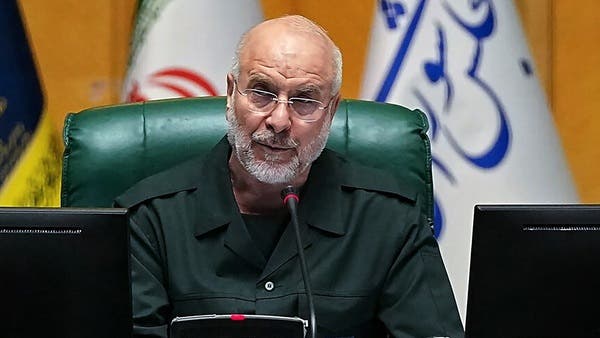

The continued volatility in Iran-U.S. diplomatic relations, underscored by Parliamentary Speaker Mohammad Bagher Ghalibaf’s recent admission of “fundamental gaps” in ceasefire negotiations, maintains a high-risk premium on MENA regional markets. With the current truce nearing expiration, the persistent threat of escalation in the Strait of Hormuz—a critical chokepoint for global energy transit—continues to destabilize maritime logistics and inflate insurance costs for shipping. For institutional investors, this geopolitical instability creates a precarious environment for long-term capital commitments, effectively stalling large-scale foreign direct investment (FDI) into peripheral markets until a permanent security framework is established.
From a sovereign capital perspective, the stalemate reinforces the strategic pivot of Gulf Cooperation Council (GCC) sovereign wealth funds (SWFs) toward domestic diversification and “safe-haven” assets outside the immediate conflict zone. The unpredictability of the Iran-U.S. nexus compels Riyadh, Abu Dhabi, and Doha to accelerate their hedge strategies, shifting capital away from regional infrastructure projects that are vulnerable to kinetic disruption. We are observing a strategic reallocation of sovereign liquidity into defense technology and energy resilience infrastructure to mitigate the systemic risk posed by potential closures of the Hormuz Strait.
The venture capital landscape in the region is similarly impacted, as the lack of diplomatic resolution suppresses the valuation of regional tech startups and inhibits the scaling of cross-border digital infrastructure. High-growth sectors, particularly fintech and logistics, are seeing a contraction in late-stage funding as risk-averse global LPs demand higher risk-adjusted returns to offset the geopolitical volatility. Until a definitive agreement is reached, the MENA region’s ambition to transform into a global technology hub remains hindered by a persistent “security discount” applied to regional asset classes.