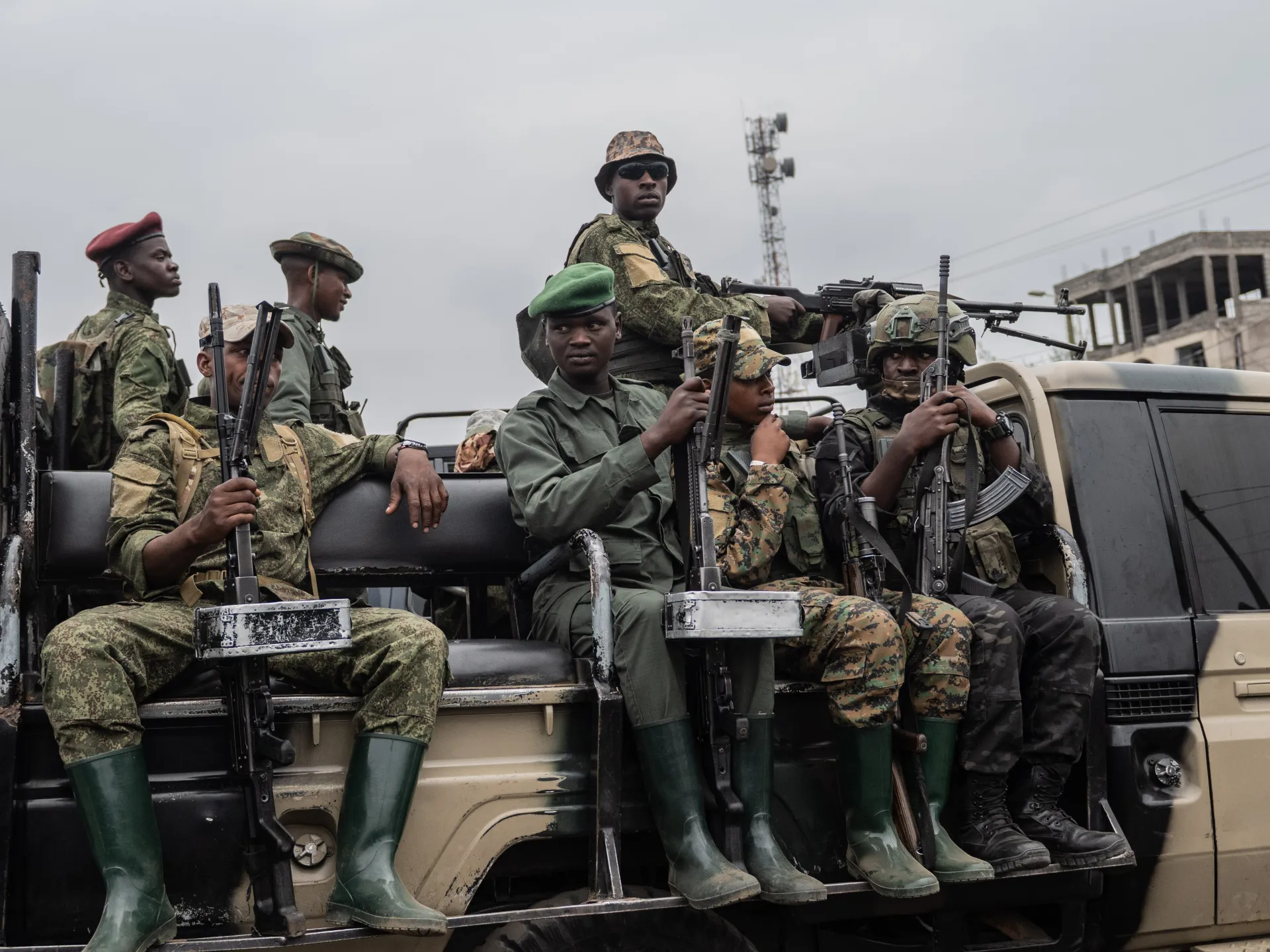

Qatar’s diplomatic engagement in the latest Democratic Republic of the Congo (DRC) peace talks underscores a strategic pivot toward leveraging sovereign wealth to secure footholds in Africa’s extractive and logistics corridors. By co‑sponsoring the Montreux negotiations that produced a cease‑fire monitoring protocol and a short‑term prisoner‑release timetable, Doha is positioning its Qatar Investment Authority to negotiate future mining concessions and infrastructure contracts in the mineral‑rich eastern provinces, notably South Kivu. The move dovetails with Riyadh’s own Africa‑focused investment agenda, suggesting a coordinated Gulf effort to diversify sovereign capital away from volatile oil markets and into high‑growth, resource‑backed projects that promise long‑term fiscal returns.
The United States‑backed cease‑fire mechanism, now formalised in a memorandum of understanding, will generate a transparent governance framework that private investors—particularly venture capital firms targeting frontier technologies in mining, renewable energy, and health logistics—require to mitigate political risk. A predictable security environment is a prerequisite for the deployment of capital‑intensive infrastructure such as rail links to the Port of Matadi and “last‑mile” road networks that connect mineral extraction sites to regional trade hubs. Early‑stage ventures stand to benefit from public‑private partnership models that could be underpinned by sovereign guarantees from Gulf banks, accelerating the commercialization of battery‑grade cobalt and lithium projects critical to the global clean‑energy supply chain.
For regional financial institutions, the DRC’s de‑escalation offers a template for scaling governance‑linked debt instruments across the broader Great Lakes region. Multilateral development banks, alongside Gulf sovereign lenders, can issue “peace‑linked” bonds whose coupon rates are tied to compliance metrics embedded in the cease‑fire monitoring regime. Such instruments would not only provide a new revenue stream for the DRC but also create a replicable financing model for other conflict‑prone MENA‑adjacent markets, reinforcing the Gulf’s role as a catalyst for stability‑linked investment.
The convergence of diplomatic, sovereign, and venture capital interests in this African theatre signals a maturing ecosystem where geopolitical mediation translates directly into tangible economic opportunities. As Gulf states deepen their footprint in African resource corridors, the resultant infrastructure upgrades and risk‑mitigated financing mechanisms are set to reshape trade flows, enhance regional connectivity, and deliver measurable returns for both public and private capital pools across the Middle East and North Africa.