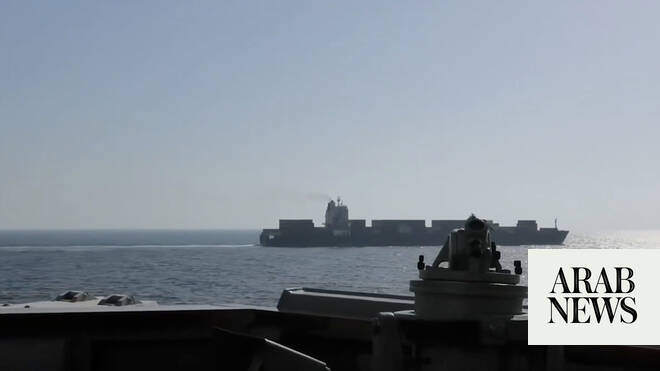

The assertion by Iranian official Ebrahim Azizi that Iran alone will determine the right of passage through the Strait of Hormuz—responsible for 20% of global oil trade—introduces critical geopolitical risks to MENA’s economic stability. This directly threatens the region’s trillion-dollar energy export infrastructure, potentially disrupting supply chains that underpin global markets and forcing rerouting through longer, costlier alternatives such as the Suez Canal or emerging African routes. Sovereign wealth funds across the GCC, which depend on hydrocarbon revenues to fund their diversification agendas, face heightened volatility as insurance premiums and shipping costs surge, potentially dampening capital allocations for strategic infrastructure projects like the UAE’s Khalifa Port or Saudi Arabia’s NEOM.
For sovereign investors, this recalibration necessitates accelerated diversification into non-energy sectors, with increased capital directed toward port resilience initiatives, maritime security technologies, and alternative energy corridors. Qatar and Oman, positioned as potential mediators, may leverage their strategic locations to attract premium sovereign capital for developing transshipment hubs and digital customs platforms, thereby reinforcing their logistical infrastructure beyond oil dependency. Concurrently, venture capital in the region is expected to pivot toward innovations like autonomous shipping, blockchain-based trade finance, and port automation, with fund managers prioritizing startups that offer contingency solutions to straits bottlenecks.
These dynamics compel a regional overhaul of infrastructure strategies, with cross-border collaborations likely intensifying to establish redundant maritime routes and cybersecurity frameworks. Egypt’s Suez Canal expansion and Iran’s own Chabahar port development, though fraught with political tensions, gain renewed strategic urgency. The long-term trajectory will be defined by how MENA’s industrial ecosystems balance geopolitical vulnerabilities with sovereign and private capital agility, turning threat-induced necessities into competitive advantages in global logistics and supply chain resilience.