
MarionMaréchal’s decision to reintegrate into her family’s political sphere by endorsing the Rassemblement National’s presidential campaign underscores a broader realignment of nationalist populist narratives in France, a shift with potential reverberations across the MENA region. While the party’s domestic agenda centers on immigration control and Euroscepticism, its stance aligns with France’s strategic pivot toward the Indo-Pacific and Africa, a move driven by declining European influence and rising competition from China and Russia. For MENA states, which rely heavily on French capital for infrastructure, renewable energy transitions, and digital transformation projects, this political dynamic introduces uncertainty for sovereign capital flows. French state-backed funds like Bpifrance may recalibrate priorities amid domestic political fragmentation, potentially slowing or diversifying investments in MENA’s oil-dependent economies and fragmented markets.
The convergence of nationalist politics and private-sector agendas in France could amplify venture capital interest in MENA’s tech ecosystems, particularly among Parisian investors seeking diversification beyond the EU. French fintechs and satellite firms are already deepening ties to Gulf states and North African startups, leveraging hybrid business models that align with both EU compliance and MENA-specific regulatory arbitrage. However, the Rassemblement National’s emphasis on protectionist rhetoric risks complicating perceptions of French neutrality in regional conflicts—such as the Israel-Hamas tension or the Libyan civil war—factors that historically influenced private investment. Regional governments may demand stricter guarantees on corporate conduct or renegotiate bilateral investment treaties to mitigate political crossfire, particularly as the MENA region becomes a battleground for Silicon Valley and European tech firms vying for data sovereignty and defense contracts.
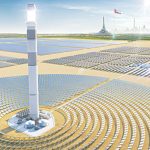
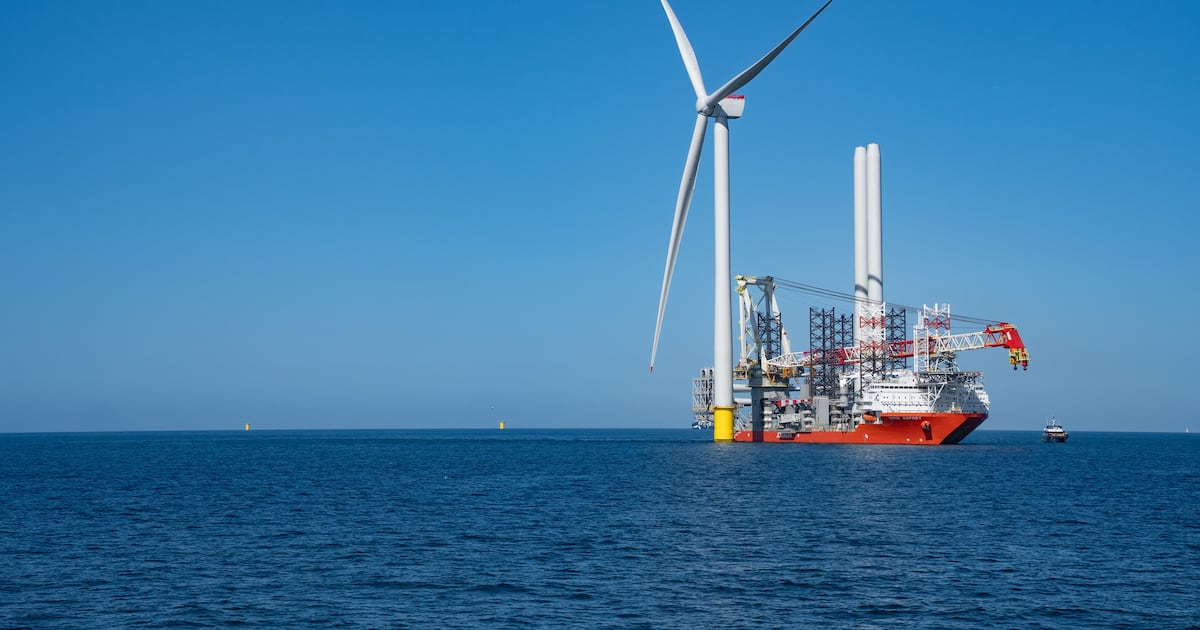
Infrastructure megaprojects in the MENA region—ranging from Morocco’s solar megapark to Saudi Arabia’s NEOM—remain pivotal to transnational capital alliances. France’s dual-engine strategy of state-led partnerships and private-sector collaboration could face headwinds if nationalist factions prioritize domestic approval ratings over geopolitical pragmatism. This risk is magnified by the EU’s shifting post-Brexit priorities and disproportionate French military engagement in the Sahel, which has increasingly diverted attention from economic diplomacy in the Maghreb. Sovereign wealth funds like the UAE’s Mubadala and Qatar Investment Authority may exploit this volatility to position French MENA investments as “political risk-friendly,” channeling capital toward sectors like green hydrogen and AI infrastructure that transcend partisan geopolitical leanings and promise long-term returns.