
Saudi Arabia’s solar energy sector is experiencing a period of rapid expansion, driven by a confluence of factors that position the Kingdom as a pivotal player in the global energy transition. The confluence of declining solar technology costs, ambitious renewable energy targets enshrined in Vision 2030, and strategic government initiatives are fueling significant investment and infrastructure development, projecting a market exceeding USD 145.4 billion by 2034 with a robust compound annual growth rate (CAGR) of 37.39%. This growth transcends mere energy generation; it represents a fundamental shift in Saudi Arabia’s economic strategy, aiming to diversify away from its traditional reliance on oil and capitalize on emerging green industries.
The business impact of this solar boom is substantial. The Kingdom’s aggressive renewable energy targets, including the ambition to generate 50% of its electricity from renewables by 2030, are attracting both sovereign and venture capital. Sovereign capital, channeled through entities like the Public Investment Fund (PIF), is deploying billions in direct investment into utility-scale solar projects and green hydrogen initiatives. Simultaneously, venture capital is increasingly flowing into specialized areas like energy storage, advanced grid technologies, and the development of green hydrogen manufacturing facilities. These investments are not only creating direct economic value but also fostering a robust ecosystem of local suppliers and service providers, contributing to job creation and technological advancements. The government’s commitment to localization, as evidenced by recent agreements to support domestic manufacturing, will further amplify this impact.
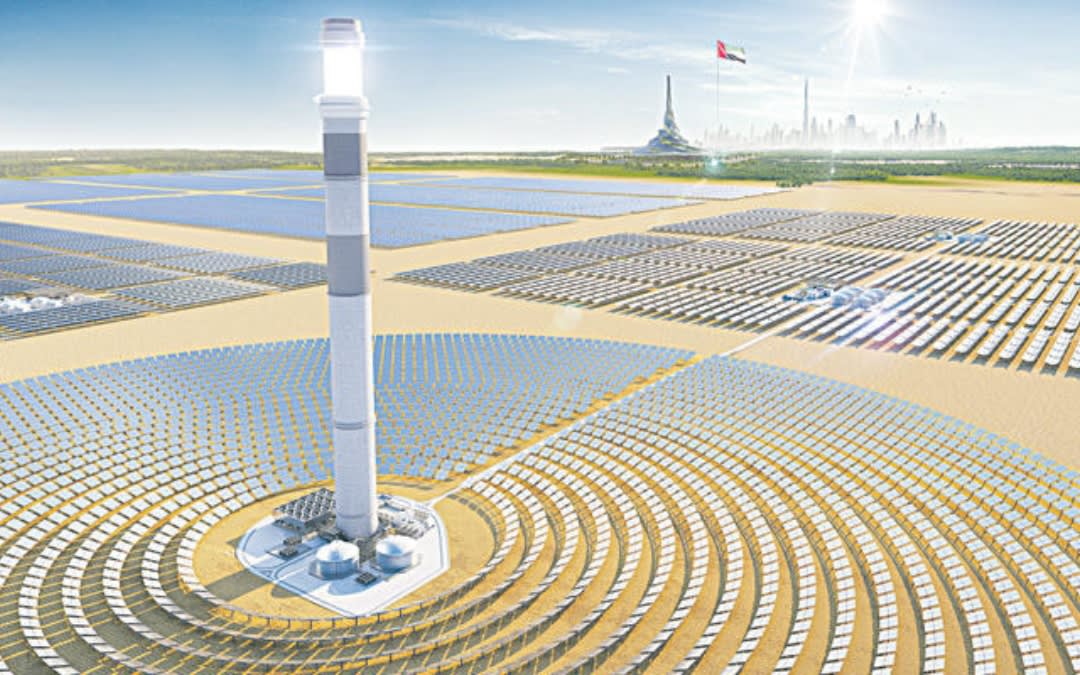
The development of the region’s infrastructure is inextricably linked to the solar energy expansion. Massive photovoltaic and concentrated solar power projects are underway across multiple regions, including the Western, Eastern, and Northern provinces, supported by substantial grid upgrades and the integration of energy storage solutions. This infrastructure development is critical for maintaining grid stability and ensuring a reliable supply of clean energy. Furthermore, the burgeoning green hydrogen sector, powered by dedicated solar infrastructure, is establishing Saudi Arabia as a key global exporter. The strategic location of these facilities facilitates access to international shipping lanes and opens up new export markets for clean energy and hydrogen-based products. This dual-pronged approach of generating renewable electricity and producing green hydrogen is a core element of Saudi Arabia’s long-term economic diversification strategy, aiming to unlock new revenue streams and solidify its position as a leader in sustainable energy.
While challenges remain – particularly in managing grid intermittency and ensuring the long-term competitiveness of solar energy against fluctuating global fuel prices – the trajectory of the Saudi solar energy market appears highly favorable. The Kingdom’s strategic positioning, coupled with favorable government policies and a growing global demand for clean energy, will underpin continued investment and innovation. The successful integration of advanced technologies like energy storage and smart grids, alongside the development of green hydrogen infrastructure, promises to unlock significant economic potential and solidify Saudi Arabia’s role as a critical driver of the global energy transition. The long-term implications of this shift extend beyond energy security, impacting global decarbonization efforts and shaping the future of the Middle East and North Africa as a leading hub for sustainable energy innovation and investment.