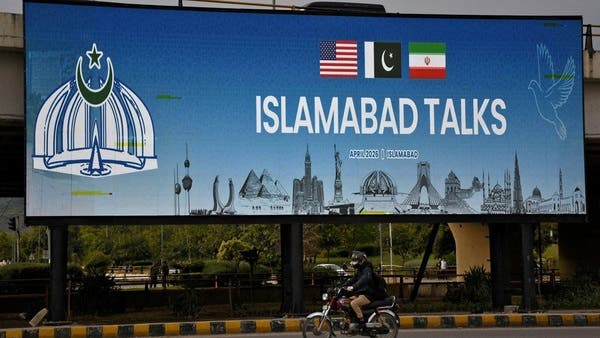

Iran’s wavering stance on peace negotiations with the United States has injected fresh uncertainty into the Middle East’s fragile security environment, with critical implications for regional capital flows and sovereign investment positioning. Sources indicate that Pakistan-facilitated talks, slated to convene US Vice President JD Vance and Iranian Parliament Speaker Mohammad Bagher Ghalibaf in Islamabad, hang in the balance as Tehran delays dispatching its negotiating team. The absence of a confirmed Iranian delegation underscores deeper fissures in diplomatic trust, which investors are closely monitoring for signals on energy market stability and sovereign risk premiums across the Gulf.
The ceasefire’s impending expiration, originally scheduled for Tuesday night but subject to recalibration by Washington, coincides with a broader recalibration of risk appetites in MENA markets. While Tehran insists the Trump administration has not negotiated in good faith—citing unilateral port blockades and perceived hardline nuclear demands—regional financial centers are hedging exposure to both Iranian debt instruments and oil-linked assets. The closure of the Strait of Hormuz and renewed volatility in Tehran’s geopolitical posture have prompted sovereign wealth funds in Abu Dhabi and Riyadh to reassess strategic allocations, particularly in venture capital vehicles targeting Iran-linked infrastructure and cross-border logistics.
Infrastructure investors are paying particular attention to the standoff’s downstream effects on transport corridors and energy transit networks, with the Iran-Pakistan gas pipeline and GCC interconnect projects facing renewed scrutiny. Meanwhile, private equity and venture capital operators are weighing contingency scenarios, from targeted sanctions relief to renewed conflict, as potential inflection points for capital reallocation. Regional capital markets, having shown tentative optimism over truce prospects, now confront the prospect of renewed volatility as the deadline nears. The sustained military and diplomatic tension is likely to reinforce short-term allocations into defensive real assets, sovereign bonds with strong backing, and sectors insulated from direct geopolitical exposure, while international investors maintain a cautious stance pending clearer alignment between Tehran and Washington.