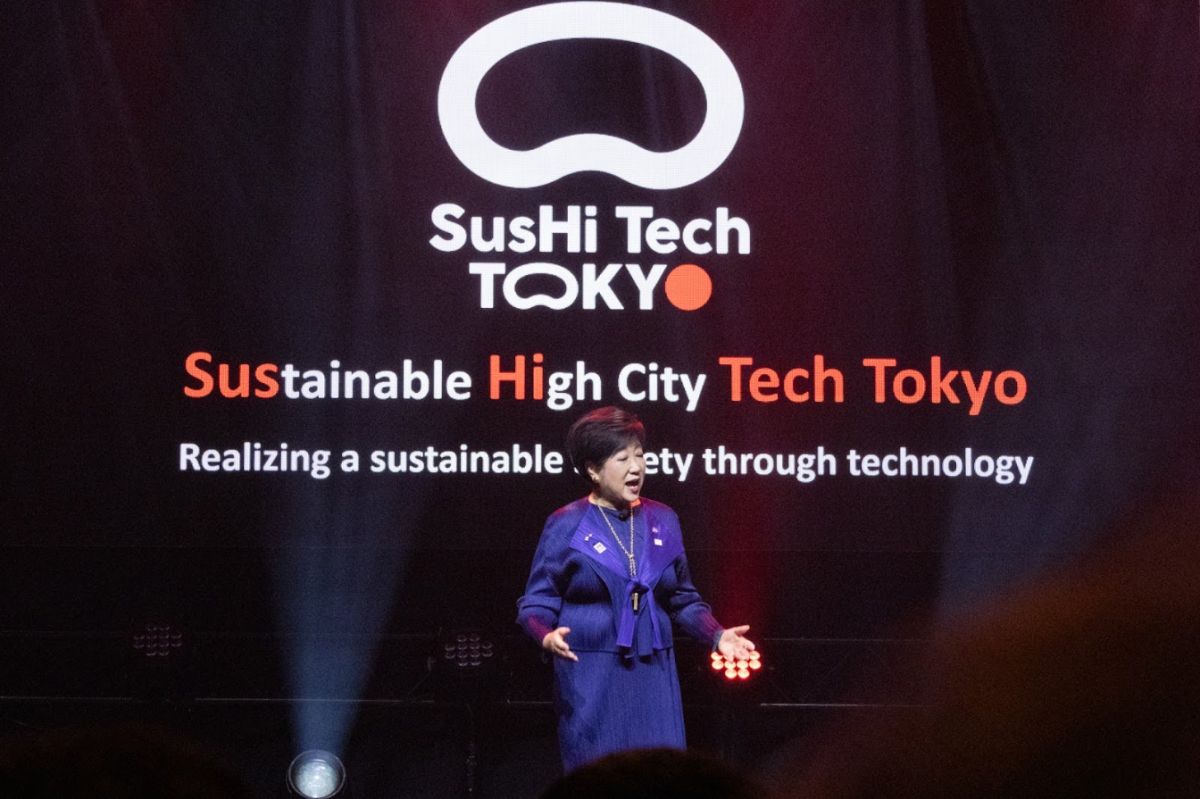

SusHi Tech Tokyo 2026 redefines the paradigm of global tech gatherings by prioritizing frictionless deal-making over traditional networking rituals. With 10,000 pre-arranged business meetings and an AI-driven matchmaking platform, the event operationalizes a systemic shift toward data-informed collaboration. For the Middle East and North Africa (MENA), this model underscores a critical imperative: institutionalizing scalable infrastructure that bridges capital, talent, and innovation. The integration of pre-event profiling, real-time negotiation tools, and dedicated physical meeting spaces reflects a blueprint for MENA’s sovereign-backed innovation hubs to emulate, particularly as regional governments seek to accelerate startup incubation through public-private partnerships.
The reverse pitch format—where corporations and municipalities articulate challenges to attract startup solutions—resonates with MENA’s evolving venture capital dynamics. Sovereign entities in the region, increasingly proactive in directing capital toward strategic sectors like fintech, agritech, and renewable energy, could adopt this approach to identify high-potential startups aligned with national development goals. By structuring “open innovation” challenges as formalized requests for proposals (RFPs), MENA’s public institutions might replicate SusHi’s success in mobilizing global talent while ensuring alignment with sovereign capital allocation frameworks. This shift would not only enhance venture capital efficiency but also mitigate the fragmentation that currently plagues regional investment ecosystems.
The event’s global-south outreach—highlighted by 400 international exhibitors and dedicated pavilions for Japanese growth-stage firms—parallels MENA’s ambition to position itself as a nexus for cross-continental collaboration. The proliferation of 12 sector-specific clusters at SusHi Tech, spanning logistics, healthtech, and climate solutions, signals a trend toward specialized ecosystems that MENA’s sovereign-backed accelerators could leverage. Such thematic focus areas, backed by state-backed venture funds, would enable the region to de-risk investments while addressing localized challenges like water scarcity and energy diversification. Furthermore, Tokyo’s emphasis on remote participation—via holographic engagement and digital access to sessions—highlights the necessity for MENA governments to invest in robust digital infrastructure to ensure equitable inclusion in global innovation networks.