
The escalating conflict dynamics amid regional power realignments exert profound fiscal pressures on MENA economies, complicating sovereign capital allocations and altering venture capital trajectories toward stability-focused interventions. Strategic volatility intensifies near critical infrastructure nodes, where investment hesitancy amplifies costs and delays progress, compelling regional actors to reassess risk profiles in favor of alternative stabilization mechanisms. These shifts underscore the fragility of economic equilibrium under competing geopolitical imperatives.
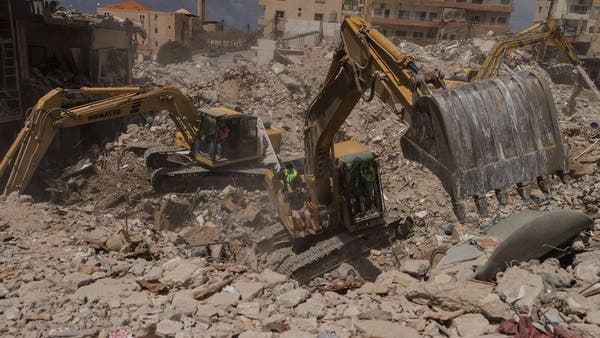
Regional infrastructure vulnerabilities emerge as secondary focal points, with interconnected systems bearing cumulative stress from concurrent mobilizations and maintenance demands. Continued disruptions risk exacerbating existing challenges in energy, logistics, and communication networks, further narrowing the consensus stance of development partners. Such instability necessitates heightened coordination to mitigate cascading effects on bilateral and multilateral cooperation frameworks.
The convergence of military posturing and economic calculus demands recalibration of strategic priorities across stakeholders, prompting a recalibration of regional economic governance structures. Adaptive policy responses must balance immediate stabilization imperatives with long-term socio-economic continuity, reinforcing the need for synchronized efforts to reinforce resilience amid persistent volatility.
Collective deliberations on these interlinked dimensions will shape the strategic trajectory of the MENA corridor, emphasizing the imperative to harmonize security imperatives with economic sustainability imperatives for enduring efficacy.