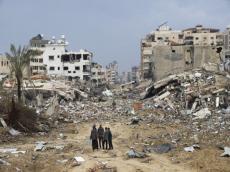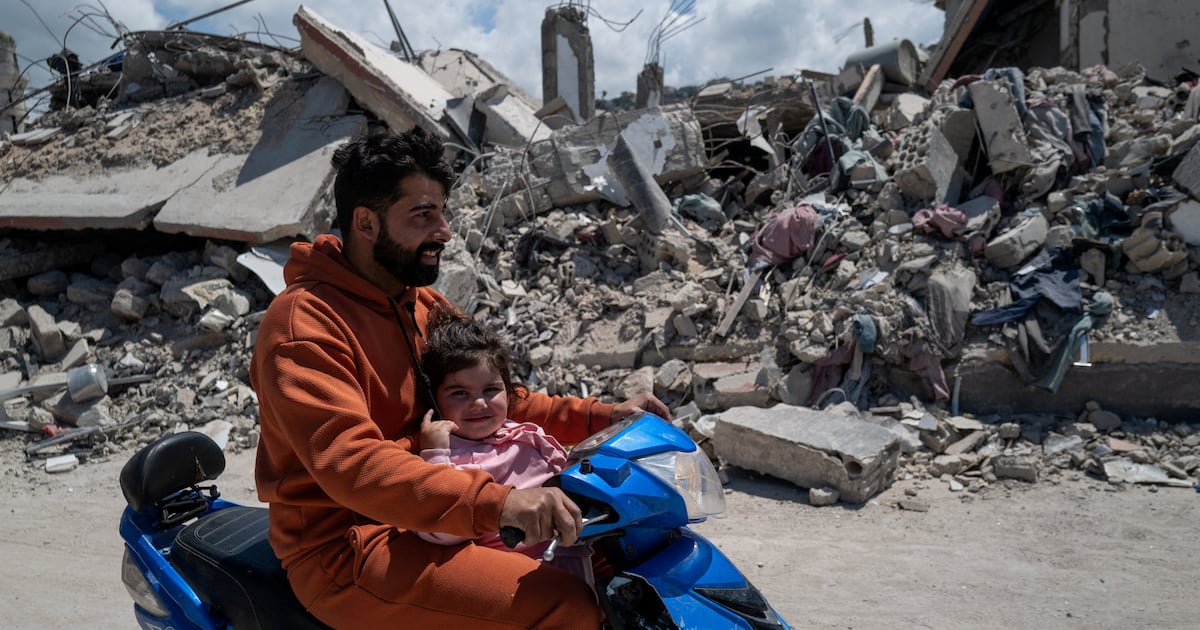

The recent escalation of the Israeli-Palestinian conflict, marked by Iranian retaliatory strikes targeting Gulf energy infrastructure, is exerting significant headwinds on economic stability across the Middle East and North Africa (MENA) region, with Bangladesh serving as a stark early indicator of broader ramifications. The disruption to crude oil and refined product exports via the Strait of Hormuz has triggered a ripple effect, forcing nations heavily reliant on imports, such as Bangladesh, to implement measures with substantial business and macroeconomic consequences. This situation underscores the fragility of regional energy supply chains and the heightened vulnerability of developing economies.
Bangladesh’s recent decision to increase retail fuel prices by 10-15%, despite prior efforts involving World Bank, ADB, and Islamic Development Bank financing, highlights the immediate financial pressures stemming from the crisis. This move, while necessary to mitigate fiscal strain resulting from procuring fuel at elevated spot market prices, is expected to exacerbate inflationary pressures across all sectors. The implications extend beyond basic consumer costs, potentially impacting industrial production, transportation logistics, and overall business confidence. Furthermore, the government now faces a compounded challenge of managing existing debt incurred to secure fuel supplies, diverting resources from planned infrastructure development and private sector growth initiatives.
The broader regional implications for sovereign capital and venture capital are noteworthy. Increased energy costs and inflationary environments tend to deter foreign direct investment (FDI) into MENA economies, particularly in sectors sensitive to energy price volatility. Sovereign wealth funds may face greater pressure to allocate capital towards hedging strategies and domestic stabilization measures, potentially impacting long-term investment plans in infrastructure, technology, and renewable energy projects. Venture capital activity, often dependent on macroeconomic stability and investor sentiment, is also likely to decelerate in the short to medium term, impacting innovation and growth within the technology sector.
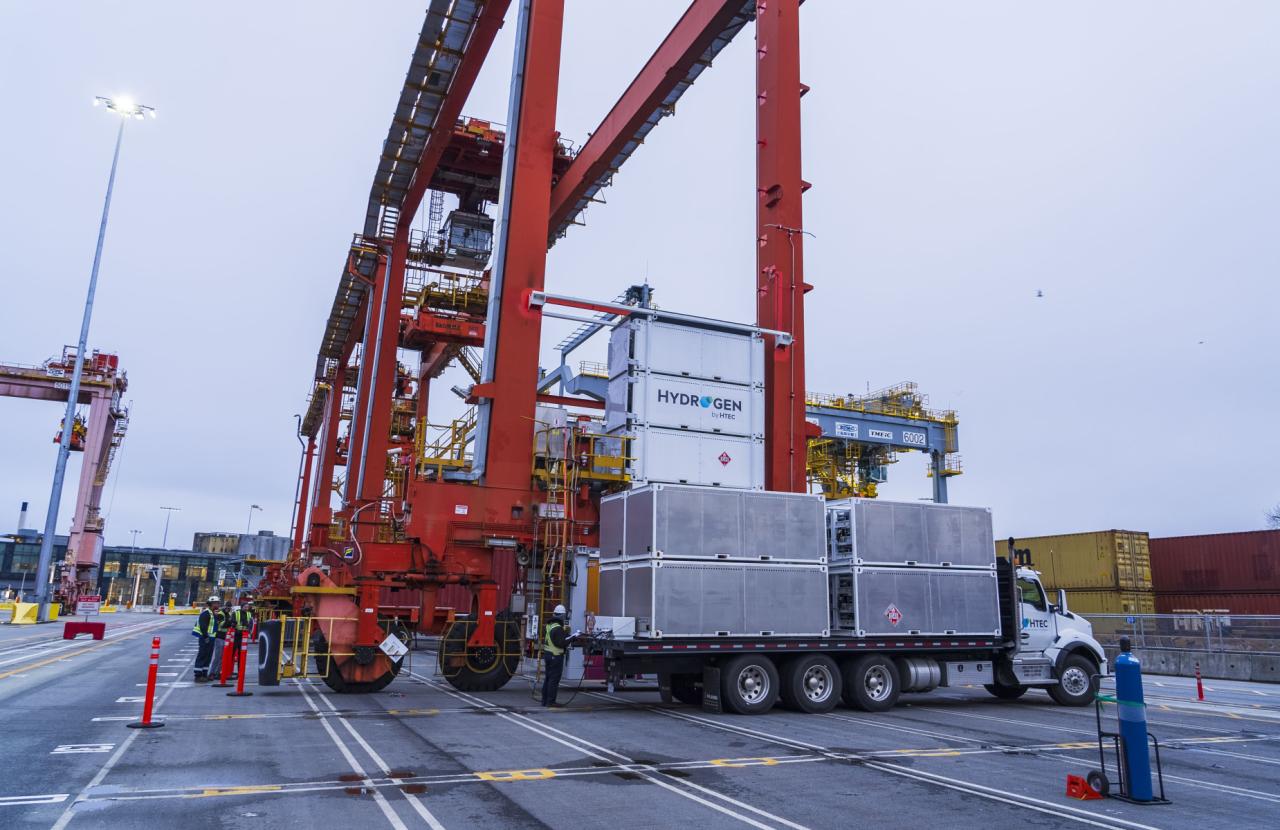
Beyond immediate financial impacts, the energy crisis underscores the urgent need for regional infrastructure diversification and energy security strategies. The reliance on a single chokepoint like the Strait of Hormuz exposes vulnerabilities that require proactive solutions. This includes investments in alternative supply routes, increased domestic production where feasible, and accelerated deployment of renewable energy sources. Furthermore, the crisis highlights the critical role of regional cooperation in ensuring energy market stability and mitigating the economic fallout of geopolitical events. The long-term trajectory for MENA’s economic development will heavily depend on how effectively these vulnerabilities are addressed, necessitating a strategic shift towards greater energy independence and resilience.