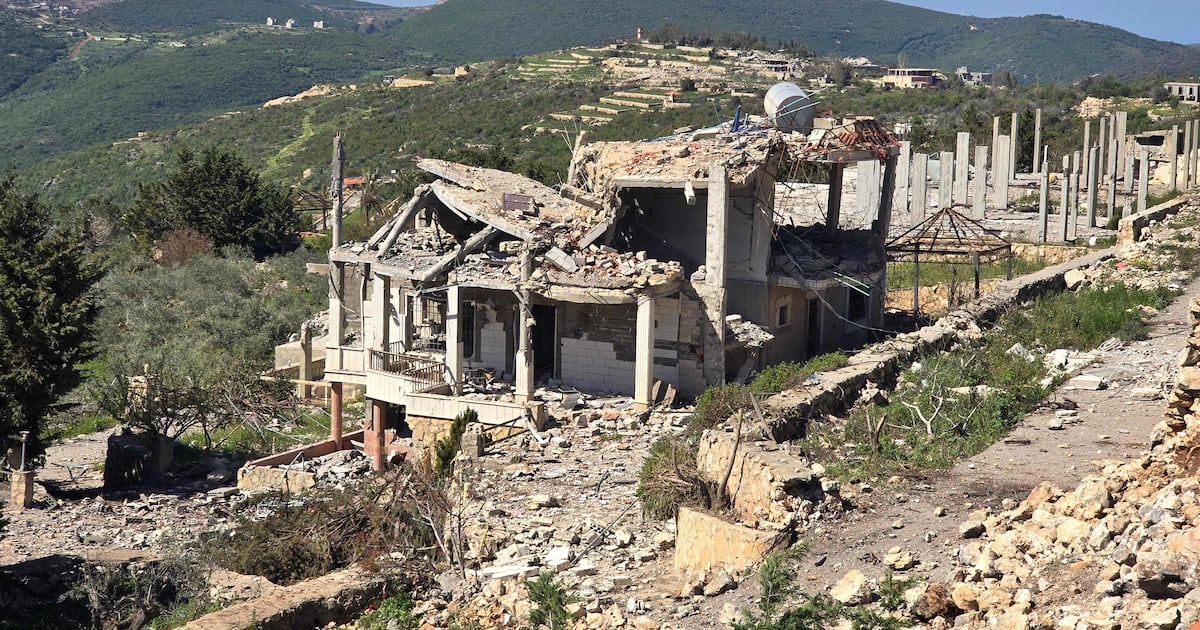

Washington is poised to host a renewed round of talks between Lebanon and Israel, as both sides seek to extend the fragile cease‑fire that has been punctuated by sporadic skirmishes along the southern border. For the MENA region, the persistence of this conflict translates into ongoing disruptions to supply chains, heightened insurance premiums for Gulf shipping routes, and a measurable drag on investment sentiment in Lebanon’s already precarious economy. Sovereign capital inflows will remain constrained until a durable political settlement emerges, while regional venture funds are likely to recalibrate their risk models to account for an uncertain allocation of resources across security, infrastructure, and public‑private partnership initiatives.
Concurrently, the Strait of Hormuz remains a flashpoint with Iran asserting that the critical maritime corridor cannot reopen under the status quo. Each new incident involving vessels amplifies geopolitical tension, feeding into a broader narrative that risks driving up freight rates and deterring international shipping companies from maintaining regular schedules through the Middle East. The ripple effect extends to the local logistics corridors, compelling MENA economies to divert cargo, increase inventory holding costs, and, in the long run, incentivise the construction of alternative inland transport routes—a stark reminder that regional infrastructure projects must align with geopolitical stability to secure investor confidence.
In the Gulf, Dubai’s announcement of a new Gold Line metro expansion and Abu Dhabi’s introduction of a comprehensive road‑toll network signal a strategic pivot toward integrated, scalable mobility solutions. These infrastructure upgrades are expected to unlock significant commercial opportunity, from real‑time data analytics for traffic management to enhanced freight distribution nodes that reduce transit times. By aligning capital allocation with high‑visibility transport initiatives, UAE’s sovereign wealth funds and local venture capital syndicates are positioning themselves to capture emerging market segments, thereby reinforcing the region’s competitive edge as a global logistics hub.
On the diplomatic front, Sheikh Mohammed’s meeting with Syrian President Bashar al‑Assad in Abu Dhabi reflects a widening of economic ties that could reshape southeast Mediterranean trade patterns. While acute security concerns persist, the convergence of Gulf and Levantine economies may attract new joint venture opportunities, especially in renewable energy, fintech, and smart‑city frameworks. However, the economic viability of such cross‑border projects will hinge on sustained political goodwill, long‑term stability of shipping lanes, and the ability of sovereign investors to manage portfolio diversification in a high‑risk geopolitical landscape.