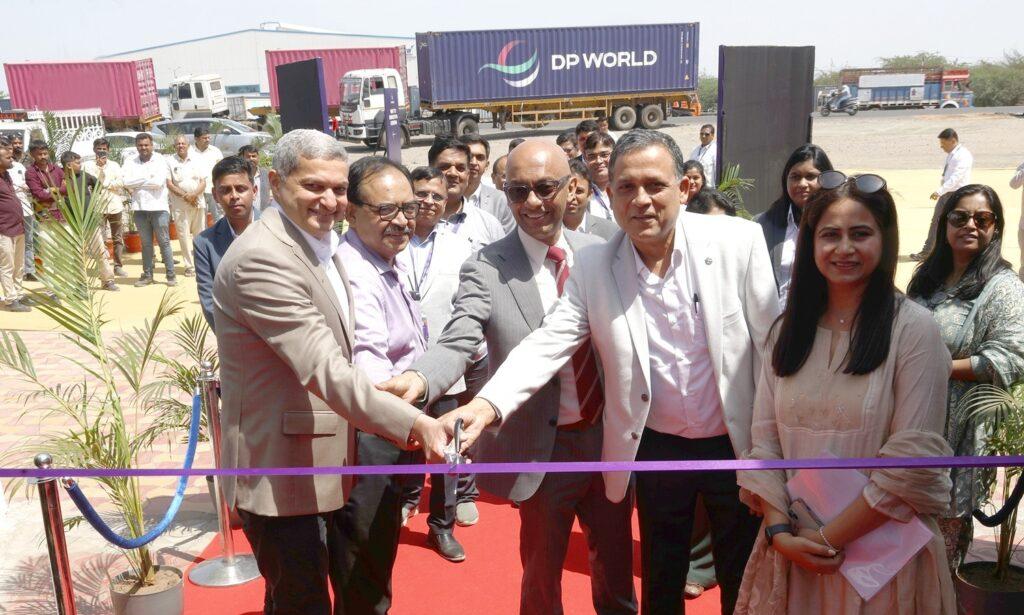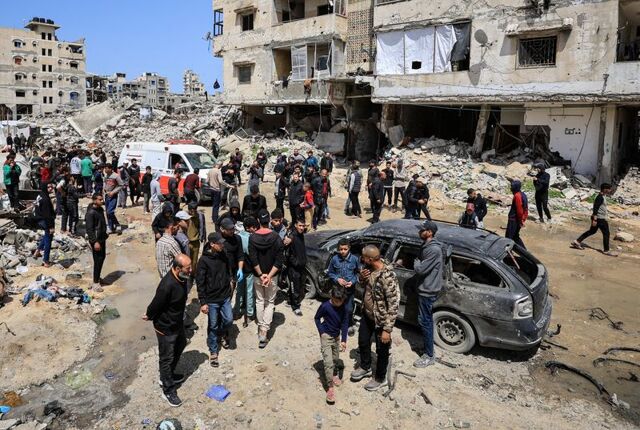

Trump’s Board of Peace has opened preliminary discussions with DP World, the Dubai-based state-owned logistics conglomerate, regarding potential involvement in Gaza’s post-conflict reconstruction and supply chain management, according to reports confirmed by the Financial Times. The engagement marks a significant escalation of Gulf sovereign capital interests in the region’s most pressing humanitarian and infrastructure challenge, with global institutions estimating reconstruction costs at approximately $70 billion. DP World, operating as an arm of Emirati state capital, brings unparalleled expertise in port operations, free zone development, and cross-border logistics—capabilities that position the company uniquely for any large-scale rehabilitation effort in the devastated coastal enclave.
The strategic implications extend far beyond immediate humanitarian logistics. Any partnership arrangement would effectively embed Gulf sovereign wealth into the foundational infrastructure of Palestinian territories, creating long-term economic dependencies and commercial corridors that could reshape regional trade flows. DP World’s proposed development of a new port facility—either within Gaza or along the adjacent Egyptian coastline—combined with free trade zone concepts, signals ambitions for transforming the territory into a viable commercial hub. Such infrastructure would require substantial venture capital commitments and sovereign investment vehicle participation, potentially involving Abu Dhabi Investment Authority, Mubadala, and other Emirati sovereign wealth funds seeking long-term yield in strategic real assets.
From a regional infrastructure perspective, the DP World engagement represents a calculated bet by Gulf capital on post-conflict normalization economics. The company’s existing footprint across Middle Eastern ports, from Jebel Ali to Sokhna in Egypt, provides operational redundancy and supply chain integration capabilities essential for large-scale reconstruction projects. However, significant political risks remain: the initiative depends entirely on resolution of the underlying Israeli-Palestinian conflict and Hamas’s disposition of military capabilities. Should Trump’s peace framework falter, sovereign capital investments face substantial write-down exposure. The Board of Peace mechanism, while offering diplomatic cover for commercial engagement, lacks the institutional permanence of multilateral development finance frameworks that typically underwrite such large-scale infrastructure ventures in volatile regions.