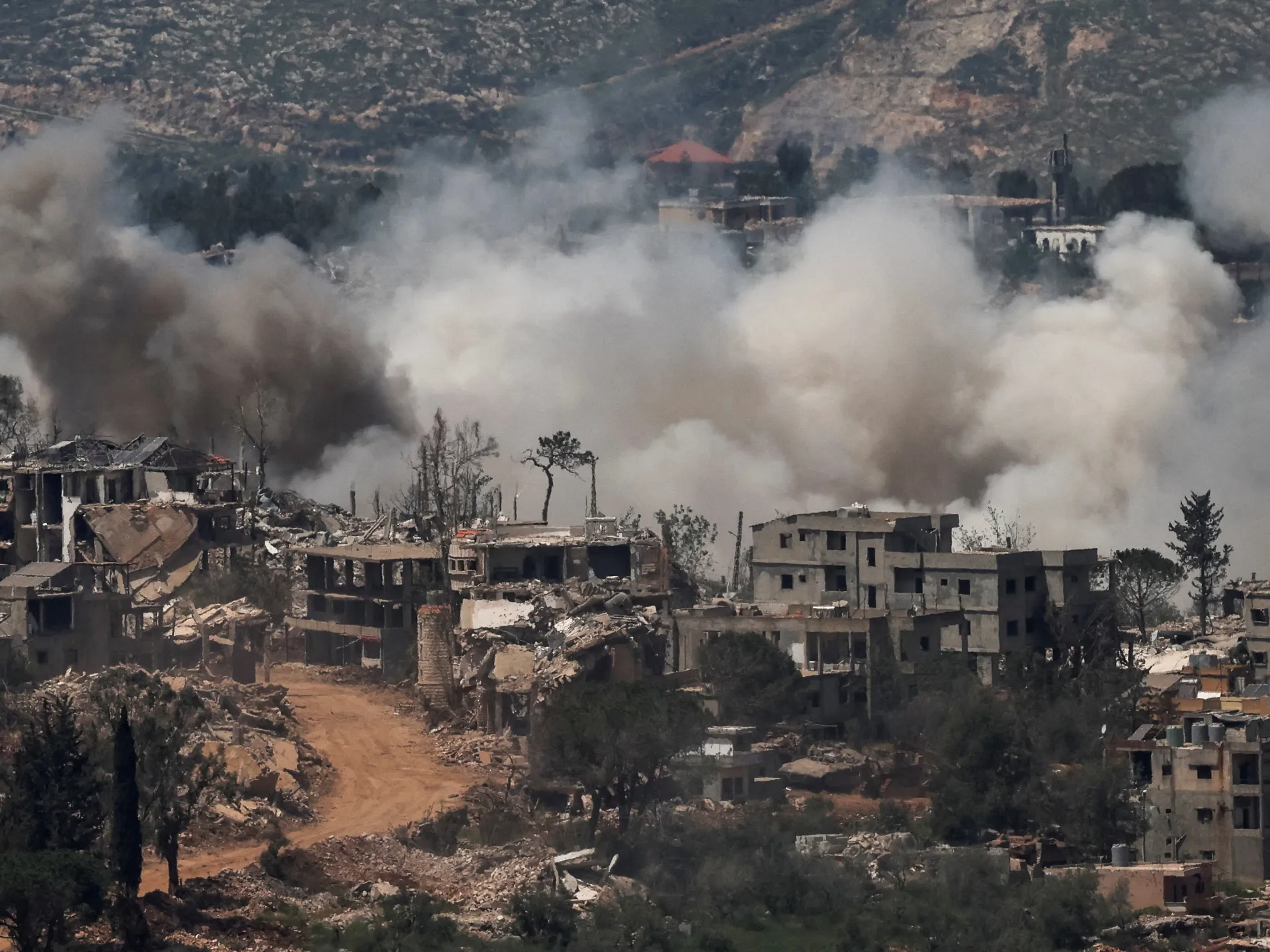

The reported tensions in the Strait of Hormuz present a critical inflection point for the Middle East and North Africa, compelling a reassessment of sovereign risk and capital allocation. For sovereign wealth funds across the region, the priority must shift from long-term developmental mandates to immediate portfolio defense and liquidity management. With global trade routes under threat, these state-owned vehicles face potential margin calls on existing energy sector exposures, necessitating a strategic pivot toward hard currency reserves and liquid, non-correlated assets to safeguard sovereign balance sheets against a commodity-linked market shock.
This environment of geopolitical stress directly undermines the operational calculus for both regional and global venture capital flows. Private equity and VC firms, already contending with a challenging fundraising climate, will likely freeze new commitments in sectors reliant on uninterrupted logistics and stable consumer demand. The resulting pullback in late-stage financing will disproportionately impact technology startups within the MENA region, stunting the development of critical digital infrastructure and delaying the maturation of nascent fintech ecosystems that depend on consistent cross-border transaction volumes.
The concurrent disruption to regional infrastructure further amplifies these financial risks, highlighting the fragility of logistical dependencies. Any escalation in the strait threatens the cost and reliability of energy imports and exports, directly impacting the feasibility of large-scale industrial and data center projects. Consequently, public-private partnerships focused on critical digital and physical infrastructure must incorporate robust geopolitical stress-testing, ensuring that capital expenditures are resilient to external shocks and capable of maintaining regional connectivity under duress.