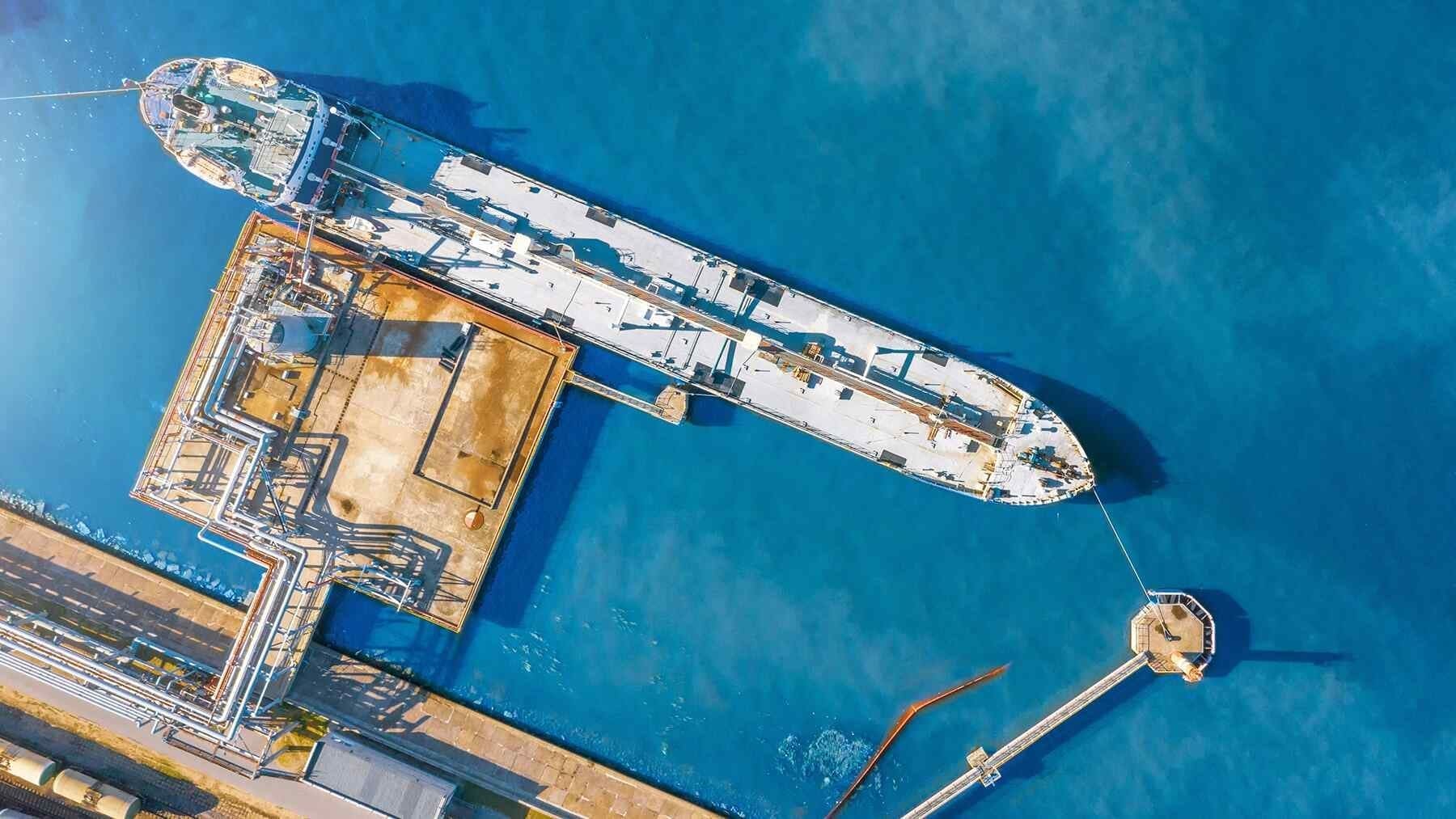

The strategic resilience of Oman’s hydrocarbon sector increasingly hinges not on upstream production volumes but on the maturity and flexibility of its midstream infrastructure network. As global energy markets navigate a period of unprecedented demand volatility and shifting trade flows, the Sultanate’s ability to efficiently transport, store and position crude oil, refined products and liquefied natural gas represents a critical determinant of competitive positioning. The midstream assets—comprising pipelines, storage terminals, refining capacity and export infrastructure—function as the connective tissue between wellhead production and end-user markets, directly influencing the cost structure and commercial optionality available to Omani producers. Failure to align midstream capacity with evolving demand patterns risks creating bottlenecks that constrain export potential even when production remains robust, a dynamic that could erode market share to regional competitors aggressively expanding their infrastructure footprint.
The investment thesis surrounding Oman’s midstream sector carries significant implications for sovereign capital allocators and institutional investors evaluating long-term exposure to the nation’s energy ecosystem. Planned expansions in refining capacity, LNG terminal infrastructure, storage facilities and gas processing represent strategically targeted investments rather than indiscriminate capacity build-out, reflecting a deliberate approach to enhancing system reliability and market responsiveness. This measured expansion strategy aligns with the operational philosophy of sovereign wealth vehicles seeking assets that deliver steady, predictable returns rather than speculative growth. The capital intensity of midstream assets—with their long operational lifespans and fee-based revenue structures—makes them particularly suitable for patient sovereign capital seeking inflation-resistant income streams. However, geopolitical uncertainty, regulatory evolution and environmental compliance requirements introduce execution risk that could compress timelines and alter expected return profiles.
From a regional infrastructure perspective, Oman’s midstream development trajectory reflects broader competitive dynamics across the MENA energy landscape. Gulf Cooperation Council states have collectively intensified infrastructure investment to capture market share in Asian refining and petrochemical markets, creating competitive pressure on Omani assets to demonstrate operational excellence. The ability to provide flexible routing, adequate storage buffers and responsive processing capabilities directly influences the Sultanate’s attractiveness as a reliable supplier to price-sensitive Asian consumers. Venture capital and private equity interest in regional midstream opportunities remains focused on digitalization and operational efficiency improvements rather than greenfield construction, suggesting that value creation will increasingly derive from optimizing existing asset utilization rather than building new capacity. For institutional investors assessing MENA energy exposure, Oman’s midstream sector offers a relatively stable, sovereign-backed opportunity set, though the absence of major new capacity announcements signals a market approaching careful saturation rather than aggressive expansion.