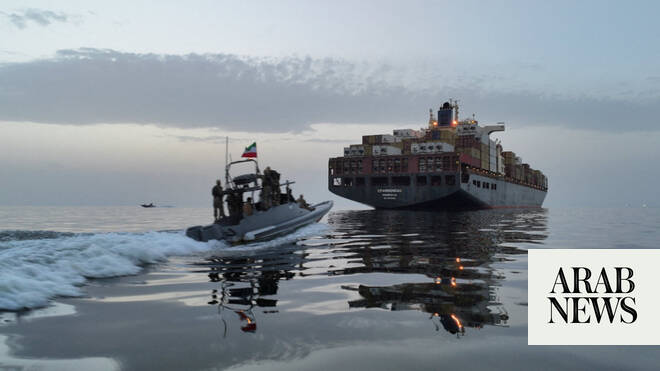

During a rare interventionat the UN Security Council, Saudi Arabia’s ambassador to the United Nations, Abdulaziz Alwasil, warned that the Iranian‑backed pressure on navigation through the Strait of Hormuz could jeopardize the flow of energy and food commodities that underpin regional trade, with immediate repercussions for sovereign wealth funds and cross‑border logistics operations. Alwasil’s warning amplified concerns among institutional investors that any prolonged maritime disruption would force a recalibration of portfolio exposures, increase insurance premiums, and potentially trigger a repricing of energy contracts linked to Gulf shipping lanes, thereby eroding the risk‑adjusted returns expected from the PIF’s $900 billion asset base.
The ambassador’s remarks dovetail with a broader strategic narrative emerging from the Gulf’s sovereign capital corridors, where entities such as the Abu Dhabi Investment Authority and Qatar Investment Authority are intensifying due‑diligence on maritime infrastructure projects—ranging from upgraded port facilities in Jebel Ali to the King Salman Global Maritime City in Saudi Arabia. Heightened security risks are prompting these funds to allocate capital toward resilient, high‑capacity terminals and digital tracking platforms, while simultaneously pulling back from speculative ventures in sectors whose supply chains intersect the Strait, thereby tightening the nexus between geopolitical risk and private equity deployment.
From a venture capital perspective, the escalation has accelerated the region’s pivot toward technology‑enabled logistics solutions. Start‑ups developing autonomous shipping, AI‑driven route optimisation, and secure satellite communications have seen a surge in funding as regional banks and development banks, notably the Islamic Development Bank, prioritize financing that mitigates exposure to maritime bottlenecks. This shift signals a strategic intent to diversify the Gulf’s economic base beyond hydrocarbon revenues, leveraging sovereign‑backed venture capital to establish a new techno‑logistics ecosystem that can operate under threat vectors identified by Alwasil.
Infrastructure planning across the MENA region now incorporates heightened security considerations into feasibility studies, compelling ministries of transport and sovereign planners to factor in insurance costs, backup routing mechanisms, and redundancy in rail‑and‑pipeline corridors that support maritime trade. The net effect is a reevaluation of long‑term capital expenditure pipelines, with a clear bias toward projects that deliver both physical resilience and digital security, underscoring how diplomatic statements can cascade through sovereign balance sheets, venture funding, and the very arteries of regional trade.