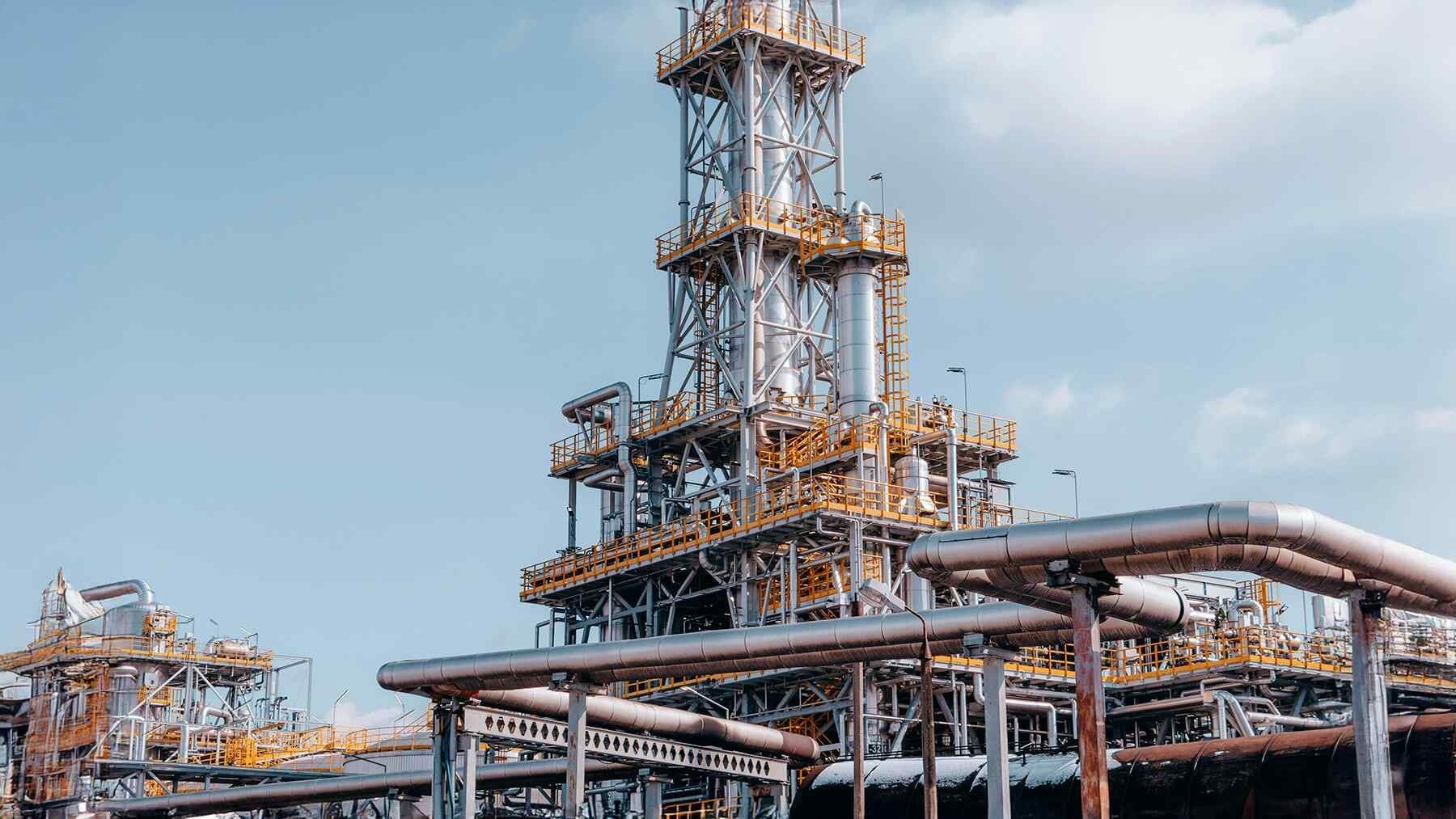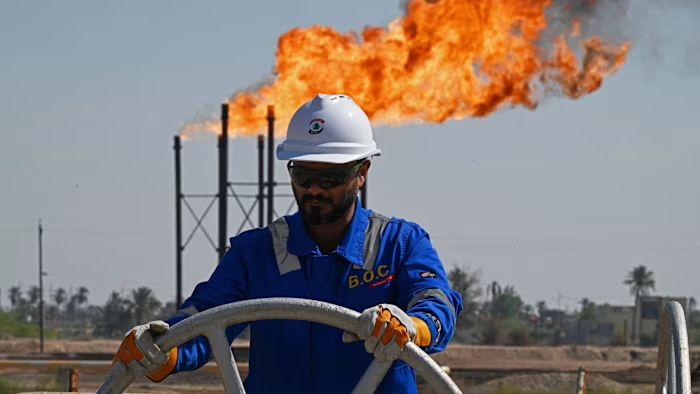

The recent escalation of tensions between the United States and Iran, specifically concerning the Strait of Hormuz, is generating significant and potentially protracted consequences for the Middle East and North Africa (MENA) region, extending far beyond immediate oil price volatility. Brent crude’s surge above $117 per barrel, the longest consecutive gain in nearly four years, underscores the vulnerability of global energy markets to regional instability. While the conflict has not manifested in direct military confrontation, Iran’s increasingly assertive control over the Strait, a critical chokepoint for global oil transit, is creating a sustained supply risk premium that is likely to persist, impacting both developed and emerging economies.
The business impact within the MENA region is multifaceted. While higher oil prices initially benefit hydrocarbon-exporting nations, the prolonged uncertainty and potential for disruption are deterring foreign direct investment and hindering broader economic diversification efforts. Sovereign wealth funds (SWFs) across the Gulf Cooperation Council (GCC) are likely to reassess their investment strategies, potentially shifting towards more defensive assets and prioritizing domestic infrastructure projects to mitigate external risk. We anticipate increased scrutiny of energy security investments, including strategic oil reserves and alternative energy sources, as regional governments seek to insulate themselves from supply shocks. Furthermore, the situation could exacerbate existing geopolitical fault lines, influencing regional alliances and potentially triggering increased military spending.
The venture capital (VC) landscape in the MENA region will also be affected. While a stronger oil price environment could provide increased liquidity for SWF-backed VC funds, the overall climate of uncertainty may dampen risk appetite and slow deal flow, particularly in sectors heavily reliant on global trade and economic stability. Infrastructure development, however, stands to benefit. The need to bolster energy infrastructure, diversify supply routes, and enhance cybersecurity to protect critical assets will drive demand for investment in areas such as renewable energy, pipeline construction, and digital infrastructure. Governments are likely to accelerate planned infrastructure projects, leveraging public-private partnerships to attract private capital and accelerate implementation.
Ultimately, the current situation highlights the critical need for enhanced regional infrastructure resilience and diversification. The Strait of Hormuz remains a single point of failure for global energy supply, and the ongoing tensions underscore the imperative for alternative routes and increased investment in non-oil sectors across the MENA region. We expect to see a renewed focus on developing alternative transportation corridors, including rail and road networks connecting the GCC to Europe and Asia, alongside a concerted effort to promote energy efficiency and renewable energy adoption. The long-term implications extend to a potential reshaping of regional power dynamics and a heightened emphasis on strategic autonomy in energy policy.