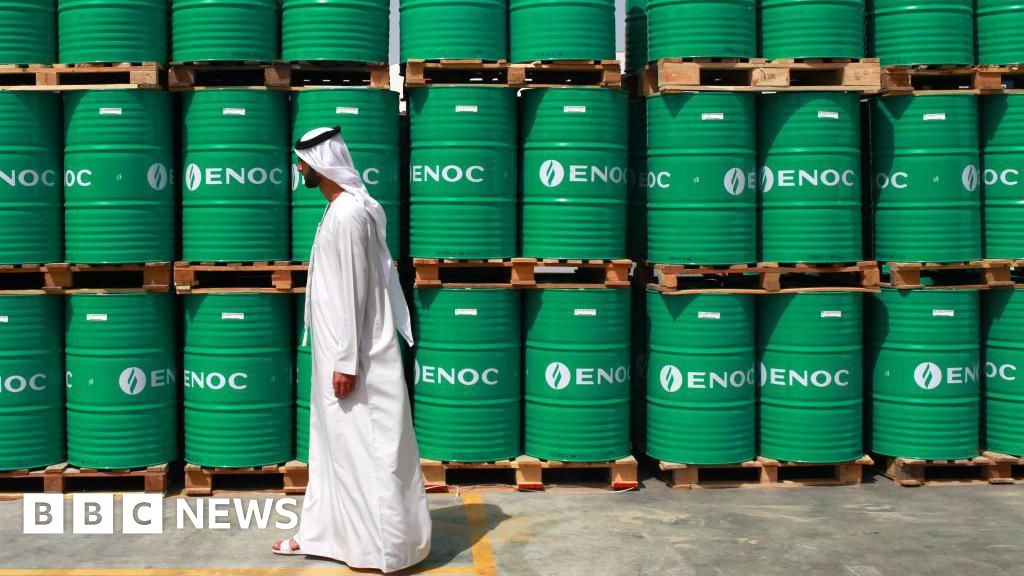

The United Arab Emirates’ formal withdrawal from OPEC, effective this Friday, signals a decisive shift in the Gulf’s oil‑production calculus and carries immediate ramifications for sovereign wealth allocation across the region. By abandoning the quota‑based framework, the UAE can redeploy its hydrocarbon cash flows into its sovereign investment vehicles, accelerating the diversification agenda championed by its sovereign wealth fund, ADQ, and the Abu Dhabi Investment Authority. With OPEC‑plus market‑stabilisation tools now weakened, regional treasuries will likely seek greater exposure to non‑energy assets, prompting a surge in venture‑capital commitments to fintech, renewable‑energy platforms, and logistics clusters that have been earmarked in the UAE’s Vision 2030 plan.
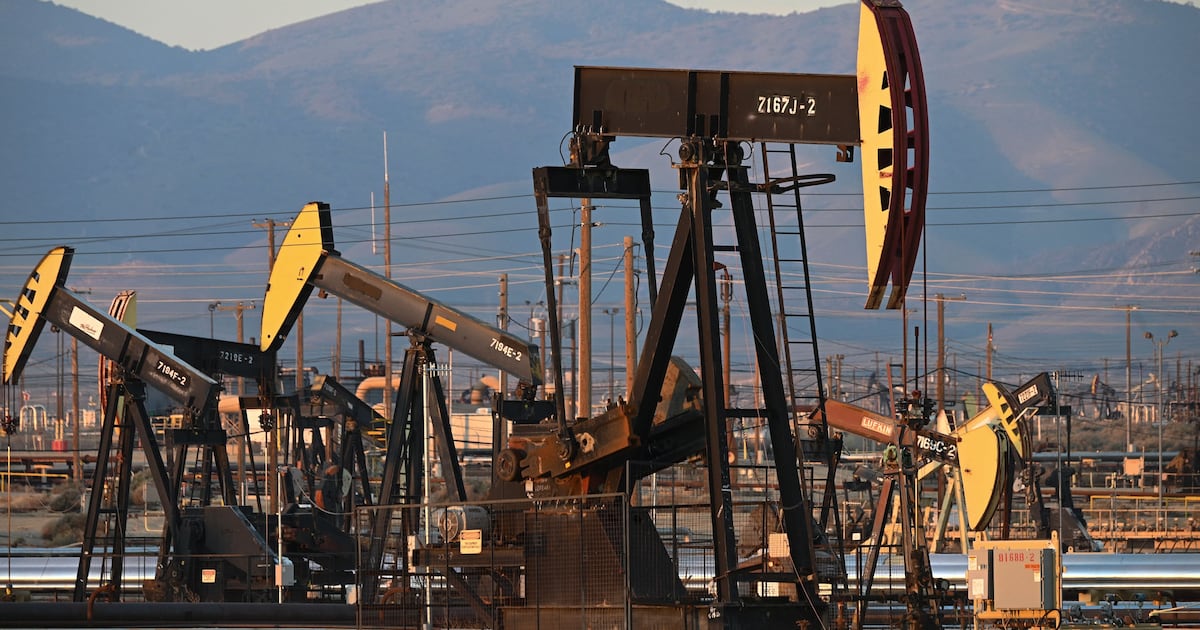
OPEC’s collective share of global crude output has already slipped from roughly 53 % at its 2016 inception to 46 % today, a decline driven by the rapid expansion of U.S. shale and the emergence of new exporters such as Brazil, Guyana and Argentina. The United States alone contributed 90 % of the incremental supply between 2015 and 2024, pushing its export capacity to 5.2 million bpd and positioning it on the brink of net crude‑export status for the first time since World War II. As Asian and European refiners re‑configure supply chains to mitigate geopolitical risk, the loss of the UAE’s swing‑producer role further erodes OPEC’s buffer capacity, leaving Saudi Arabia as the sole discretionary producer with a markedly reduced spare‑capacity pool of just 0.3 million bpd.
From a capital‑markets perspective, the UAE’s exit could catalyse a “copy‑cat” dynamic among other OPEC members, prompting a reassessment of collective output discipline. Analysts at Columbia’s Centre on Global Energy Policy warn that Kazakhstan and other peripheral producers may follow suit, exploiting the weakening of the cartel to negotiate more favourable terms with external buyers. This potential fragmentation is likely to increase volatility in regional debt markets, where sovereign issuances have previously relied on the perception of a coordinated OPEC output strategy to secure lower spreads. Investors will therefore demand higher risk premiums, accelerating the push for sovereign funds to underwrite private‑equity pipelines and green‑infrastructure projects that can deliver stable, inflation‑adjusted returns.
Finally, the departure underscores the broader strategic pivot toward decarbonisation and technology‑led growth across the MENA corridor. With peak oil demand projected to plateau around 105 million bpd by decade’s end, low‑cost producers such as the UAE face diminishing marginal revenue under a quota regime. By regaining autonomous output control, the Emirates can better align production with its nascent hydrogen and carbon‑capture initiatives, using excess cash to fund regional research hubs, digital‑economy accelerators, and cross‑border logistics corridors that underpin the Gulf’s ambition to become a “next‑generation” hub for trade and innovation. The move, therefore, is not merely a break from OPEC; it is a recalibration of sovereign capital toward a diversified, technology‑rich future for the Middle East and North Africa.