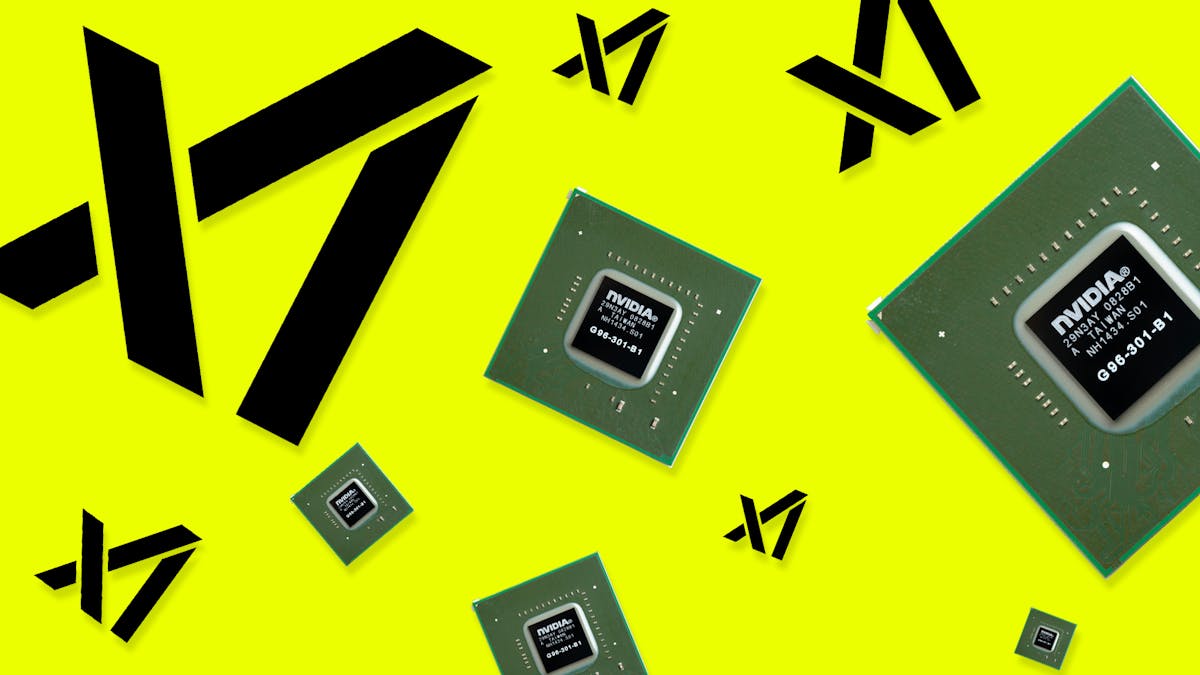

The operational complexities revealed by xAI’s large-scale GPU deployments underscore a critical bottleneck in the global artificial intelligence race: the gap between hardware acquisition and computational efficiency. As developers transition from securing Nvidia’s high-end silicon to attempting massive-scale parallel processing, the industry is discovering that the true barrier to entry is no longer just capital for procurement, but the sophisticated engineering required to maintain high utilization rates across vast clusters. For institutional investors, this shift signals that value is migrating from the hardware providers to those possessing the specialized software architecture capable of managing extreme-scale compute workloads.
For the MENA region, particularly sovereign wealth funds in the GCC, these technical hurdles redefine the parameters of national AI strategies. While significant capital inflows have been directed toward the acquisition of massive GPU fleets to build domestic sovereign AI capabilities, the xAI case study suggests that raw compute power is a depreciating asset without a simultaneous, heavy investment in localized technical expertise and high-performance computing (HPC) orchestration. Sovereign capital must move beyond “buying the stack” toward fostering an ecosystem of software engineering talent that can solve the orchestration and thermal management challenges inherent in massive-scale data centers.
This technical friction creates a distinct strategic imperative for regional infrastructure development. To avoid the inefficiencies seen in centralized, massive-scale single-point deployments, MENA-based venture capital and sovereign entities should prioritize the development of resilient, modular data center architectures and specialized AI-native power grids. The regional investment thesis must evolve to favor infrastructure that supports high-utilization, low-latency environments, ensuring that the massive capital expenditures currently being deployed into the sector yield measurable computational output rather than idling, underutilized silicon.