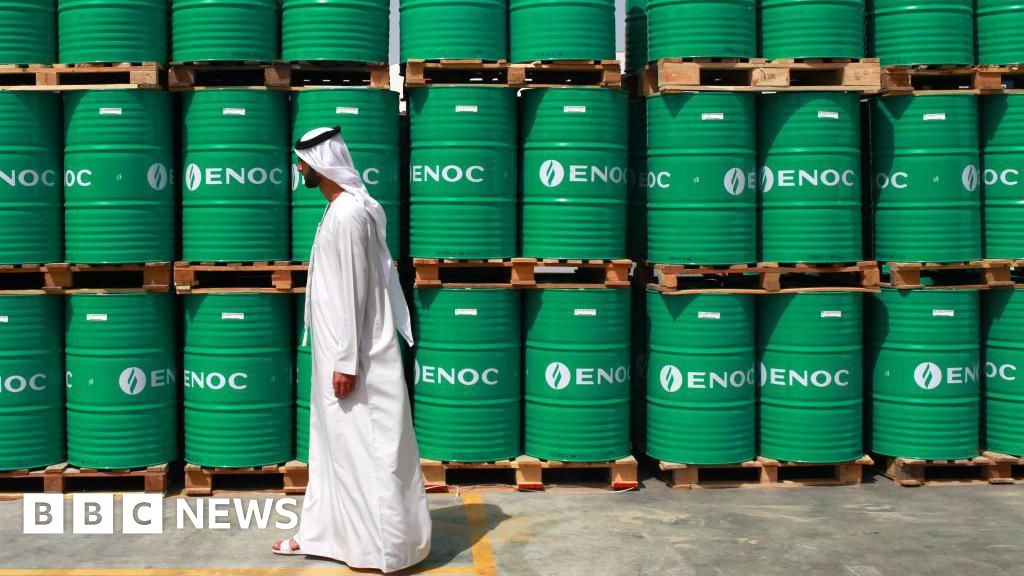

While the newly announced regulatory amendment is unlikely to dismantle the entrenched oil blockades that have long constrained energy trade routes across the Gulf, its longer‑term ramifications could reshape the financial architecture of the broader MENA region. By granting foreign investors clearer repatriation rights and simplifying licensing procedures for downstream projects, the policy paves the way for sovereign wealth funds to redeploy capital from high‑risk hydrocarbon assets into diversified, tech‑enabled infrastructure portfolios. This shift aligns with the strategic pivots of Abu Dhabi’s Mubadala and Saudi Arabia’s Public Investment Fund, both of which have signaled intent to boost exposure to renewable energy, logistics hubs, and digital platforms.
Venture capital ecosystems stand to benefit from the policy’s indirect spill‑over effects. A more predictable legal environment reduces country‑risk premiums, encouraging seed and Series A investors to allocate larger check sizes to home‑grown startups in fintech, cleantech, and AI‑driven oil‑field services. The anticipated uptick in cross‑border fund flows could also catalyze the emergence of regional “soft‑landing” accelerators, linking Gulf sovereign investors with North African innovators eager to tap into the Gulf’s consumer market and capital base.
On the infrastructure front, the amendment unlocks a corridor for public‑private partnerships (PPPs) that integrate smart‑grid technologies with existing oil‑centric logistics networks. By lowering the barrier to entry for international engineering firms, the region can accelerate the construction of inter‑emirate rail links, desert solar farms, and desalination plants that are essential for sustaining long‑term economic diversification goals. The resulting asset base would provide a new, sovereign‑backed revenue stream that can be securitized, thereby expanding the pool of investable instruments available to global fixed‑income markets.
In sum, the policy change is a modest tactical adjustment with the potential to trigger a strategic realignment of capital across the MENA financial landscape. By easing sovereign capital allocation, stimulating venture activity, and expanding the scope of infrastructure investment, the region may gradually transition from a oil‑dependent economy to a diversified, technology‑driven growth engine.