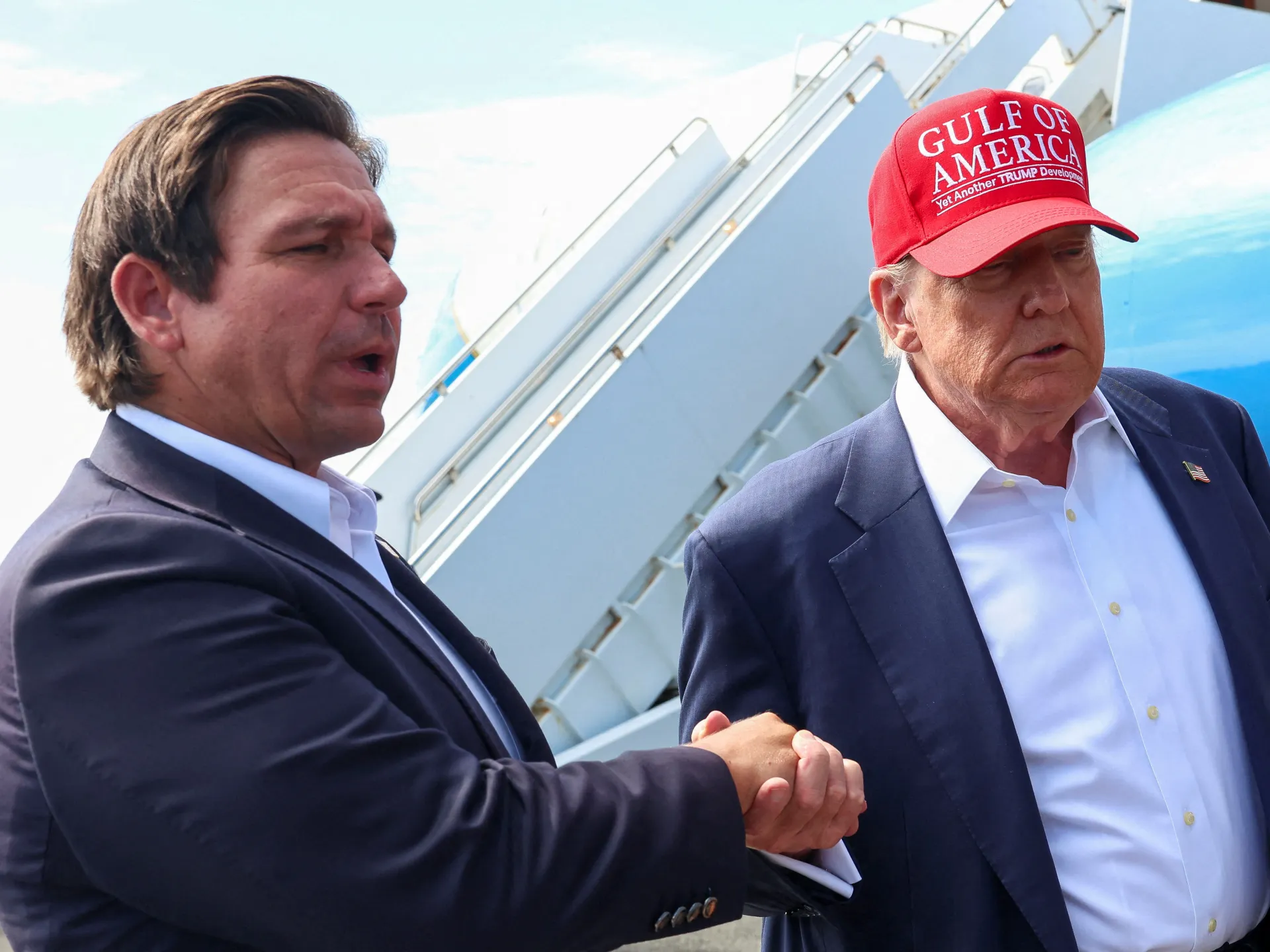

The recent legislative approval of a new congressional map in Florida, engineered to solidify Republican dominance, signals a profound shift in the U.S. political landscape that carries significant implications for global capital allocators. For sovereign wealth funds (SWFs) and institutional investors in the MENA region, who maintain substantial exposure to U.S. regulatory environments and fiscal policy, this aggressive redistricting represents more than domestic partisan maneuvering. It serves as a harbinger of increased legislative volatility and a potential realignment of the regulatory frameworks governing international trade, energy policy, and trans-Atlantic security architectures.
From a macro-financial perspective, the weaponization of redistricting creates a layer of systemic uncertainty that complicates long-term capital deployment. As the battle for control of the U.S. House intensifies, the risk profile for cross-border infrastructure investments and venture capital flows into U.S. tech sectors is heightened. MENA-based sovereign entities, often seeking stability to hedge against regional geopolitical risks, must now factor in the possibility of sudden, policy-driven shifts in U.S. economic governance. The ability of a single party to command legislative majorities through structural electoral mechanics may lead to more radical departures from bipartisan consensus on critical issues such as tax reform and digital asset regulation.
Furthermore, the intersection of U.S. domestic politics and geopolitical tensions—specifically the economic volatility stemming from the Middle East—cannot be understated. The Florida redistricting occurs against a backdrop of heightened sensitivity to U.S.-Israel-Iran dynamics, an environment where political stability is a prerequisite for successful large-scale sovereign investment. Any shift in the U.S. legislative balance that alters the trajectory of foreign direct investment (FDI) or defense spending priorities will directly impact the strategic planning of Gulf-based investment vehicles and their diversified global portfolios.
In conclusion, while the immediate impact of the Florida map is electoral, the secondary financial effects are structural. The erosion of traditional redistricting norms suggests a future characterized by heightened legislative friction. For the MENA financial elite, monitoring these shifts is no longer a matter of political curiosity, but a necessity for managing the sovereign-level risk associated with the world’s largest economy. The ability to navigate a more polarized and structurally altered U.S. legislative process will be a defining factor for regional institutions seeking to optimize their exposure to American markets.