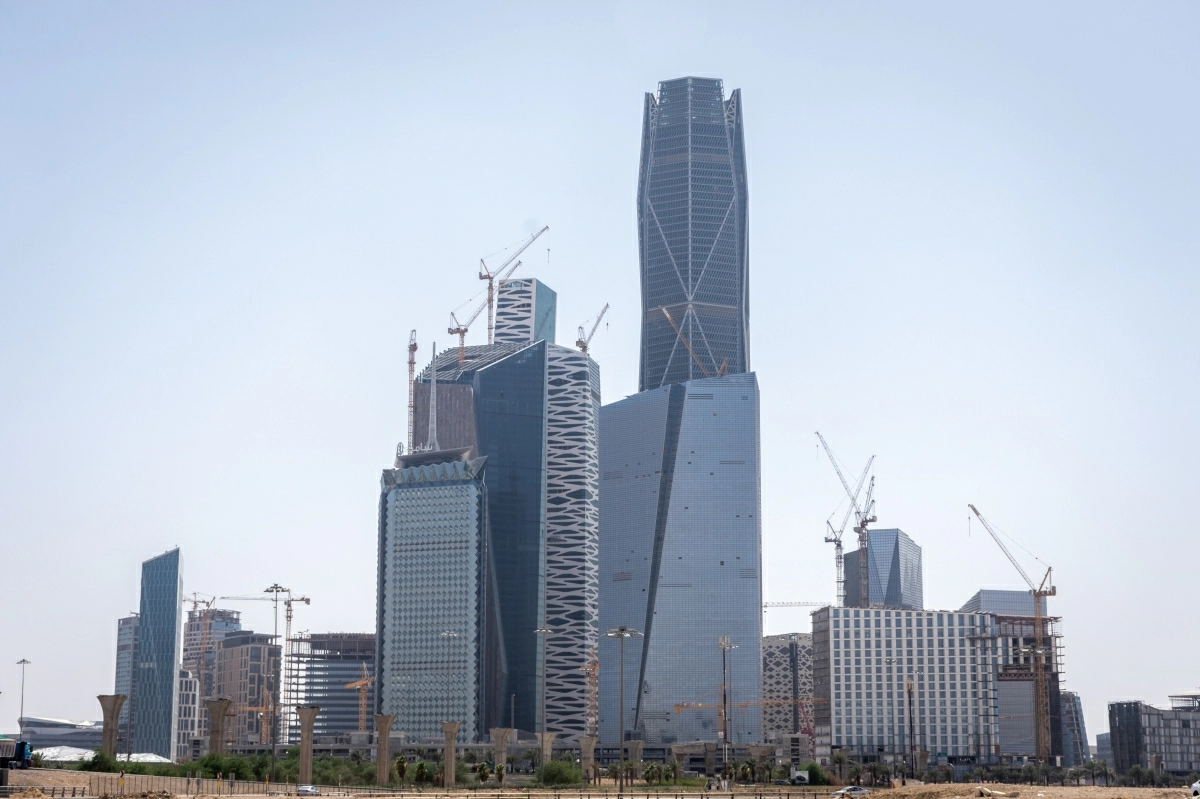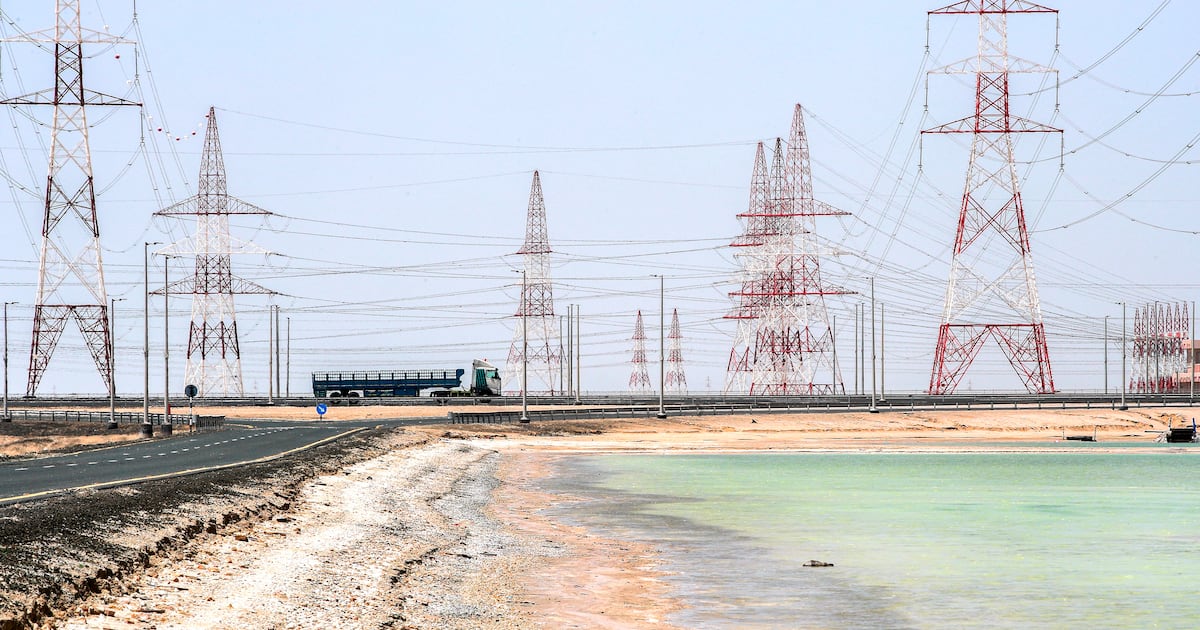

The visual economy is rapidly emerging as a critical pillar of global financial infrastructure, with the Middle East positioning itself at the intersection of technological innovation and sovereign wealth deployment. As Gulf states continue to diversify away from hydrocarbon dependence, image-driven platforms and visual commerce are attracting unprecedented capital flows from both sovereign wealth funds and regional venture capital ecosystems. The confluence of artificial intelligence, semiconductor advancement, and digital asset infrastructure has created new vectors for economic value creation that extend far beyond traditional revenue models, fundamentally reshaping how capital markets evaluate technology investments across the EMEA corridor.
Sovereign investment vehicles from Abu Dhabi, Riyadh, and Doha are increasingly allocating portfolio percentages toward visual technology infrastructure, recognizing that image processing capabilities now underpin sectors ranging from autonomous vehicles to healthcare diagnostics. This strategic pivot reflects a broader understanding that control over visual data pipelines represents the next frontier of competitive advantage in an AI-saturated economy. The UAE’s $200 billion technology investment program specifically targets visual computing infrastructure, while Saudi Arabia’s Vision 2030 framework incorporates substantial provisions for media technology development as part of its economic diversification calculus.
The venture capital landscape across MENA has witnessed a 340% increase in visual technology investments over the past eighteen months, with regional funds deploying capital into computer vision startups at rates exceeding traditional fintech segments. This influx of capital is not merely opportunistic but represents calculated positioning ahead of broader artificial intelligence adoption across government services and enterprise sectors. Infrastructure implications extend beyond software development to encompass data center expansion, 5G network deployment, and cross-border connectivity initiatives that will fundamentally alter the region’s digital geography.
As European and North American markets exhibit signs of saturation in traditional technology segments, the Middle East presents compelling risk-adjusted returns for global investors seeking exposure to next-generation visual computing platforms. The convergence of abundant sovereign capital, progressive regulatory frameworks, and strategic geographic positioning between key emerging markets creates a unique value proposition that institutional investors cannot ignore. Success in this arena will ultimately be determined by which regional players can most effectively translate visual intelligence into economic intelligence, establishing durable competitive moats in an increasingly commoditized global technology landscape.