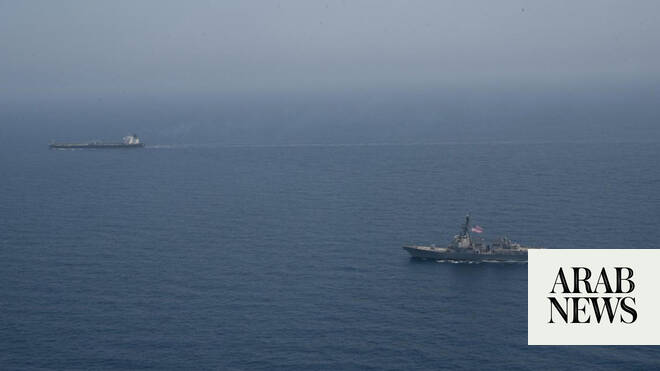

The recent interception of the *Sevan*, a vessel identified as part of Iran’s “shadow fleet,” by US Naval forces in the Arabian Sea represents a significant escalation in the enforcement of secondary sanctions targeting Iranian energy exports. This action, alongside the redirection of 37 vessels since the blockade’s inception, carries substantial implications for regional financial flows, sovereign wealth fund strategies, and the nascent venture capital ecosystem within the Middle East and North Africa (MENA). The intensified US pressure on Iranian oil revenues is likely to further constrict access to international financial institutions for Iranian entities and those facilitating trade, impacting regional banking networks and potentially triggering increased reliance on alternative payment systems, including those utilizing digital currencies – a trend already observed to a limited extent.
The blockade’s impact extends beyond Iran, directly affecting the investment strategies of MENA sovereign wealth funds. Funds like PIF (Saudi Arabia), ADQ (Abu Dhabi), and Mubadala are increasingly focused on diversification and global asset allocation. However, heightened geopolitical risk and the potential for further sanctions enforcement create a more complex environment for cross-border investments, particularly those involving energy-related assets or companies with indirect ties to Iran. We anticipate a renewed emphasis on due diligence and enhanced compliance protocols within these funds, potentially leading to a slowdown in certain investment categories. Furthermore, the disruption to global energy markets caused by constrained Iranian supply could indirectly benefit certain MENA producers, albeit within a volatile pricing landscape.
From a venture capital perspective, the situation presents both challenges and opportunities. While the increased geopolitical uncertainty may deter some foreign investors, the blockade could spur innovation within the MENA region, particularly in sectors related to alternative energy, supply chain resilience, and financial technology. We expect to see increased interest in fintech solutions designed to facilitate cross-border payments and trade finance, bypassing traditional banking channels. However, the success of these ventures will depend heavily on regulatory clarity and the ability to navigate the evolving sanctions landscape. The development of robust regional infrastructure, including digital infrastructure and logistics networks, will be crucial to support this growth.
Ultimately, the US-led blockade and the subsequent maritime enforcement actions underscore the interconnectedness of regional geopolitics, financial markets, and technological development. The long-term consequences will likely include a reshaping of regional trade patterns, a greater emphasis on self-sufficiency within the MENA region, and accelerated adoption of innovative financial technologies. Sovereign capital deployment will require a more nuanced and risk-aware approach, while venture capital firms will need to identify opportunities arising from the disruption and prioritize investments that contribute to a more resilient and diversified regional economy. The ongoing situation warrants close monitoring, particularly regarding the potential for retaliatory measures and the broader impact on regional stability.