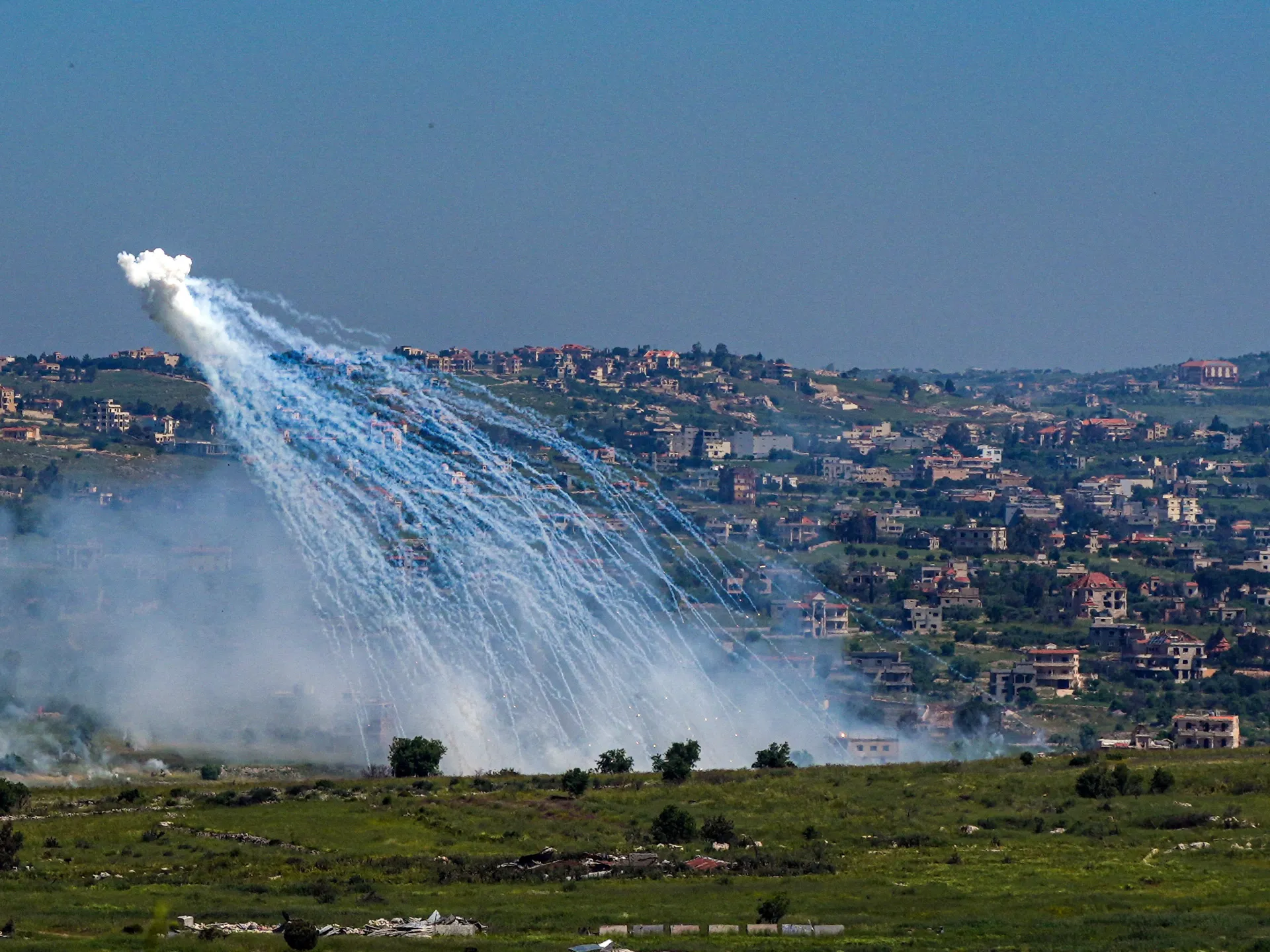

Amid escalating tensions, Israeli military actions against Lebanon have claimed the lives of at least 2,586 individuals and left more than 8,000 injured since March 2, according to local media transcriptions. This surge in violence casts a cloud of uncertainty over regional stability, with profound implications for the Middle East and North Africa (MENA) region.
The conflict’s burgeoning toll represents more than a callous disregard for human life; it symbolizes a disruption in peace and a potential setback to economic progress. The MENA region has faced mounting challenges in recent years, from political instability to economic sanctions. The region’s resilience was notably tested by the impact of the global pandemic—reducing GDP growth and increasing unemployment. The havoc wrought by Israel’s attacks against Lebanon threatens to exacerbate these challenges. Regional businesses dealing with the uncertainties of this volatile climate may find their investment decisions and operational strategies severely compromised. Investors may, for a time, place a higher premium on stability, often an elusive commodity in the turbulent MENA landscape.
Moreover, any mishandling of such crises could strain the available sovereign capital coffers, intensifying fiscal pressures on governments already grappling with the depletion of foreign reserves and mounting debt burdens. The attack on Lebanon is a stark reminder of how rapidly a region can find itself in the grip of renewed conflict, potentially diverting national resources from development projects to emergency aid measures. As a silver lining, it may trigger a surge in venture capital flows, albeit with a conditional demand for investments that offer comparatively lower geopolitical risks. However, the volatile nature of the situation may still intersperse skepticism among investors, maintaining a cautious approach toward not only the Lebanon market but also broader MENA venture economies.
From an infrastructural perspective, the repercussions of these violent strikes extend into the realms of physical, technological, and social infrastructure, undermining the operational stability that businesses depend upon. Damage to critical public works and economic hubs can result from such assaults, necessitating extensive repair works and diverting funds from other vital projects. Technological infrastructure, be it telecommunications or utilities, has proven to be a linchpin of trade and safety in recent economic shifts, and its fragility during conflict underscores the need for resilience and strategic investment in safeguarding regions such as the MENA.
In the aftermath of these relentless attacks, global stakeholders will witness the stark reality of how sudden geopolitical shocks could reverberate across the Middle East and North Africa, potentially deterring business activity, capital flow, and infrastructural development. The region, thus enduring the dual test of synergy between robust economic reforms and the nurturing of effective governance structures that can harmonize the progressive growth with the undercurrents of vulnerability posed by such external assaults.