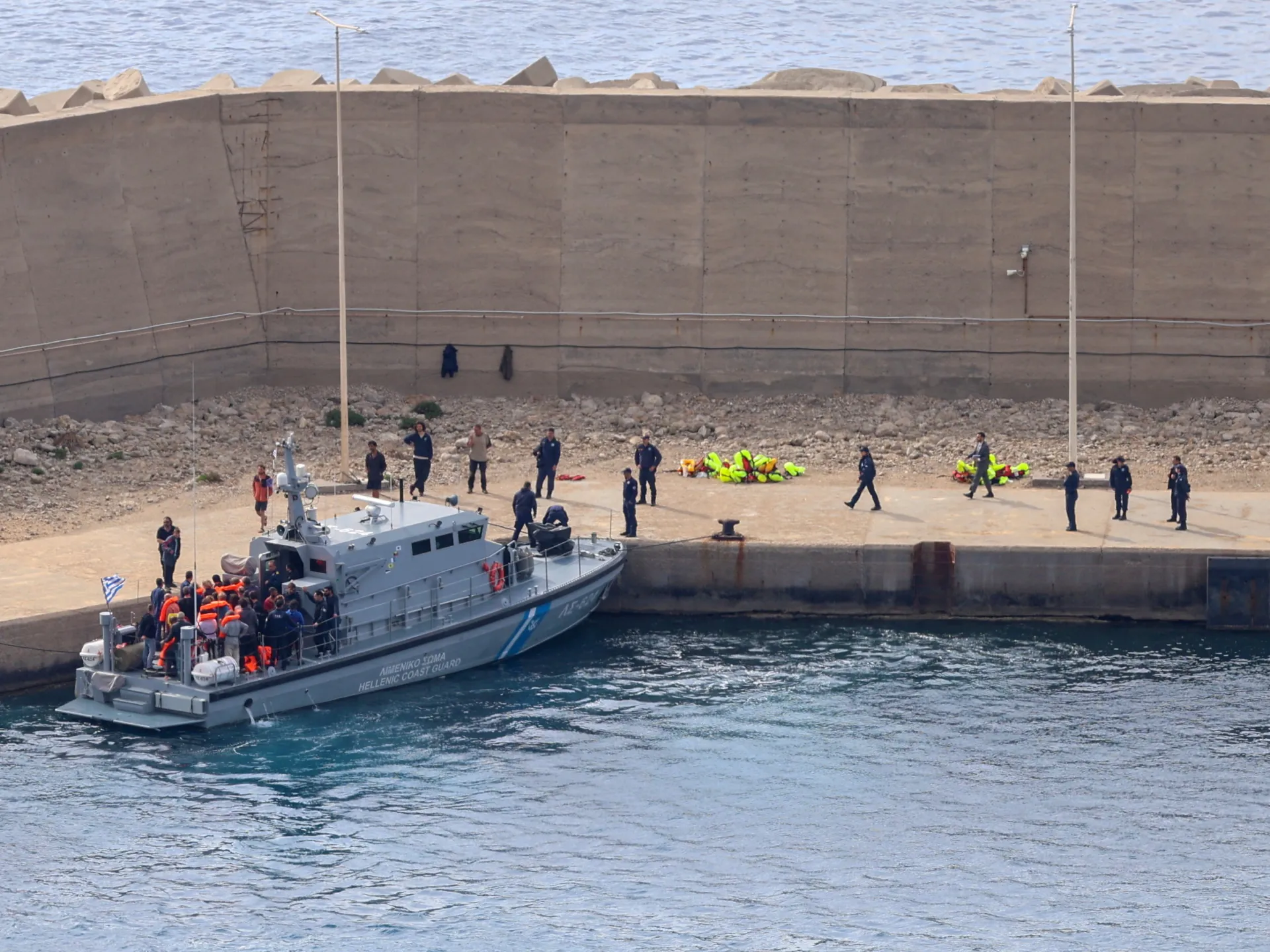

The Israeli seizure of vessels within the Global Sumud Flotilla underscores the escalating fragility of maritime supply chains in the Middle East, with profound repercussions for regional trade and investor sentiment. By detaining cargo laden with humanitarian aid—approximately 47 vessels still transiting southward and carrying a combined total of over 47 tons of food and medical supplies—Israel has disrupted critical logistical networks reliant on Mediterranean corridors. Shipping firms operating in contested zones, such as insurance underwriters and logistics startups specializing in conflict-area transit, are likely to reassess risk models. For example, Lloyd’s of London has signalled potential hikes in premiums for vessels traversing autonomous economic zones in the Eastern Mediterranean, while Turkish cross-border payment platforms like Qiniq may gain traction as alternative settlement systems for regional trade, bypassing traditional Israeli-linked financial infrastructures. This episode also highlights vulnerabilities in ESG-compliant investment frameworks, as institutions grapple with reconciling ethical mandates with exposure to sovereign-linked supply networks.
The political theater surrounding the flotilla’s interception amplifies risks for sovereign capital in MENA, compounding regional geopolitical fragmentation. Türkiye’s characterization of Israel’s actions as “piracy” directly challenges the UN Convention on the Law of the Sea (UNCLOS), potentially triggering legal disputes through the International Tribunal for the Law of the Sea (ITLOS). Such rhetoric could deter EU sovereign wealth funds and Gulf state investors from backing joint ventures tied to Israeli infrastructure, particularly in tech and energy sectors. Concurrently, the U.S. State Department’s veiled threats to sanction flotilla supporters introduce a compliance dilemma for fintechs and venture capital firms operating transatlantic gateways. Their reluctance to engage with affiliated entities may stifle innovation in compliance-focused SaaS tools designed to navigate emerging legal ambiguities, thereby slowing adoption of directional blockchain solutions for humanitarian aid tracking.
Venture capital dynamics in Gaza’s shadow economy reveal a paradox: while military coercion disrupts formal aid delivery, it inadvertently fuels informal tech-driven workarounds. Startups leveraging peer-to-peer supply chain APIs, such as Beirut-based Nexity or Baghdad-focused AidRoute, have seen surges in national currency transactions, as donors circumventing sanctions utilize cryptocurrency or commodity-backed stablecoins to fund local warehouses in Bethlehem and Nablus. However, this trend risks inflating dependency on unregulated ecosystems, leaving investors exposed to volatile exchange rates and regulatory crackdowns. Meanwhile, sovereign venture funds in Saudi Arabia and Tunisia are doubling down on agritech and water purification startups to preempt commodity shortages, aligning with the IMF’s push for sovereign capital to prioritize “non-strategic dual-use” investments in the region. The flotilla’s ongoing saga, therefore, may accelerate the bifurcation of MENA’s innovation landscape into sanctioned and open corridors, with European venture capital increasingly theorizing aid delivery through space-based IoT systems to mitigate state interference.