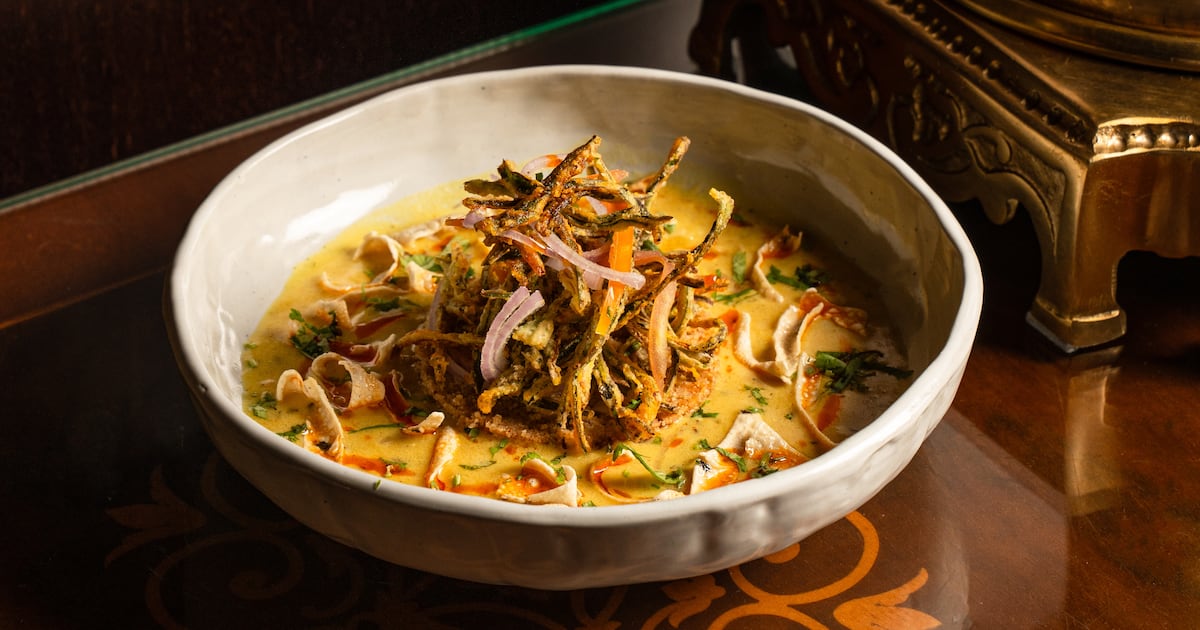

MENA sovereign wealth funds have accelerated allocations to consumer experience assets over the past 24 months as part of broader efforts to diversify non-oil GDP, with the UAE’s hospitality and F&B sector remaining a top deployment priority for entities including the Investment Corporation of Dubai (ICD), Mubadala, and Abu Dhabi Investment Authority (ADIA). The recent launch of Jodhpur Bar and Kitchen at Hyatt Place Dubai Jumeirah represents a micro-level manifestation of this strategic capital flow, where niche, heritage-focused F&B concepts are increasingly integrated into sovereign-backed mixed-use developments to capture high-yield returns from Dubai’s 22 million annual international visitors and concentrated base of high-net-worth residents.
Regional infrastructure upgrades spearheaded by sovereign-linked developers have created the backbone for such asset deployments: the Al Mina Street corridor in Jumeirah, where the Hyatt Place property sits, has seen billions of dirhams in roads, utilities, and mixed-use real estate investment since 2022, funded primarily through Dubai Holding and ICD’s infrastructure arms. Venture capital flows into MENA’s F&B operating platforms and culinary tech startups have also hit record highs, with over $1bn deployed into the sector across the GCC in 2024 per institutional data providers, as investors seek to back scalable concepts that can be rolled out across the region’s expanding tourism nodes. Jodhpur’s focus on Rajasthan-specific cultural IP aligns with a broader regional trend of monetizing heritage assets to differentiate offerings in saturated markets, a strategy that has drawn early-stage VC backing for similar niche F&B founders across Saudi Arabia and the UAE.
For global hospitality groups operating in the region, institutional backing allows for lower-risk integration of niche concepts that would otherwise face high barriers to entry in Dubai’s crowded F&B market, where generic Indian cuisine concepts have seen stagnant same-store sales growth of under 2% year-on-year in 2024. The entry of such sovereign-capital-supported operators raises the competitive floor for the sector, while simultaneously validating the addressable market for hyper-localized experiential dining, a segment that has attracted increasing growth-stage VC interest across North Africa as Morocco and Egypt ramp up their own tourism infrastructure investments. Unlike smaller independent operators, these institutional-backed concepts benefit from cross-asset synergies with their parent groups’ regional portfolios, enabling faster rollout to high-growth markets including Riyadh, Doha, and Muscat as GCC sovereign capital continues to flow into hospitality infrastructure across the region.