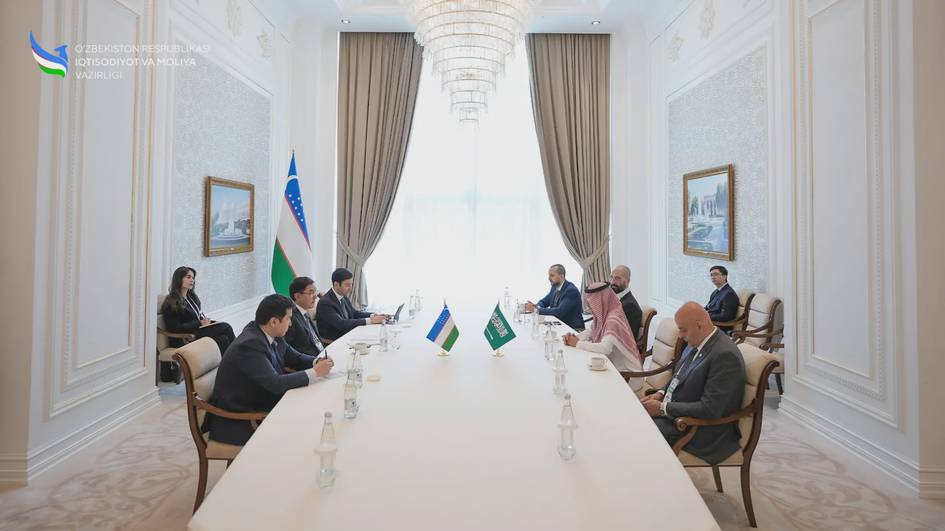

Uzbekistan’s recent memorandum of understanding with Saudi‑based ACWA Power marks a strategic pivot that could reverberate across the MENA region’s energy, health‑care and digital ecosystems. The partnership, which envisions the joint development of renewable‑energy plants, water‑desalination facilities and smart‑city infrastructure, underscores a growing appetite among Gulf sovereign wealth funds to deploy capital beyond traditional oil‑centric projects. For Saudi Arabia, the deal offers a vehicle to diversify its Public Investment Fund (PIF) allocations by tapping into Central Asia’s untapped 30 GW clean‑energy pipeline, while simultaneously positioning ACWA as a regional integrator of utility‑scale solar and wind assets.
From a venture‑capital perspective, the collaboration opens a conduit for MENA‑based technology firms to access Uzbekistan’s nascent digital market, which the government estimates will require $5 bn of ICT investment by 2030. ACWA’s involvement in the country’s digital transformation agenda—ranging from grid‑modernisation to e‑health platforms—creates a credible pipeline for downstream startups seeking Series A and B funding. Regional VC funds, notably those anchored by the Qatar Investment Authority and Bahrain’s Mumtalakat, are likely to view this as a low‑risk entry point, leveraging ACWA’s on‑the‑ground execution capabilities to de‑risk early‑stage bets.
Infrastructure implications are equally profound. The envisaged desalination and water‑recycling projects will rely on reverse‑osmosis and hybrid renewable systems, technologies that have already been piloted in the Gulf’s own arid environments. Successful replication in Uzbekistan could spur a standardised exportable model, accelerating the rollout of water‑security solutions across North Africa, where water stress is projected to intensify over the next decade. Moreover, the integration of smart‑grid and IoT platforms into Uzbekistan’s national grid aligns with the Gulf’s broader ambition to lead a regional “digital energy corridor,” a framework that could streamline cross‑border electricity trade and harmonise regulatory standards.
In sum, the ACWA‑Uzbekistan accord is more than a bilateral agreement; it is a blueprint for how Gulf sovereign capital can catalyse a new wave of cross‑regional infrastructure development. By anchoring renewable‑energy, health‑care and digital projects within a single partnership, the deal sets a precedent for future sovereign‑backed ventures that blend large‑scale asset creation with a pipeline of venture‑stage opportunities, thereby reinforcing the MENA region’s transition toward a diversified, technology‑driven economy.