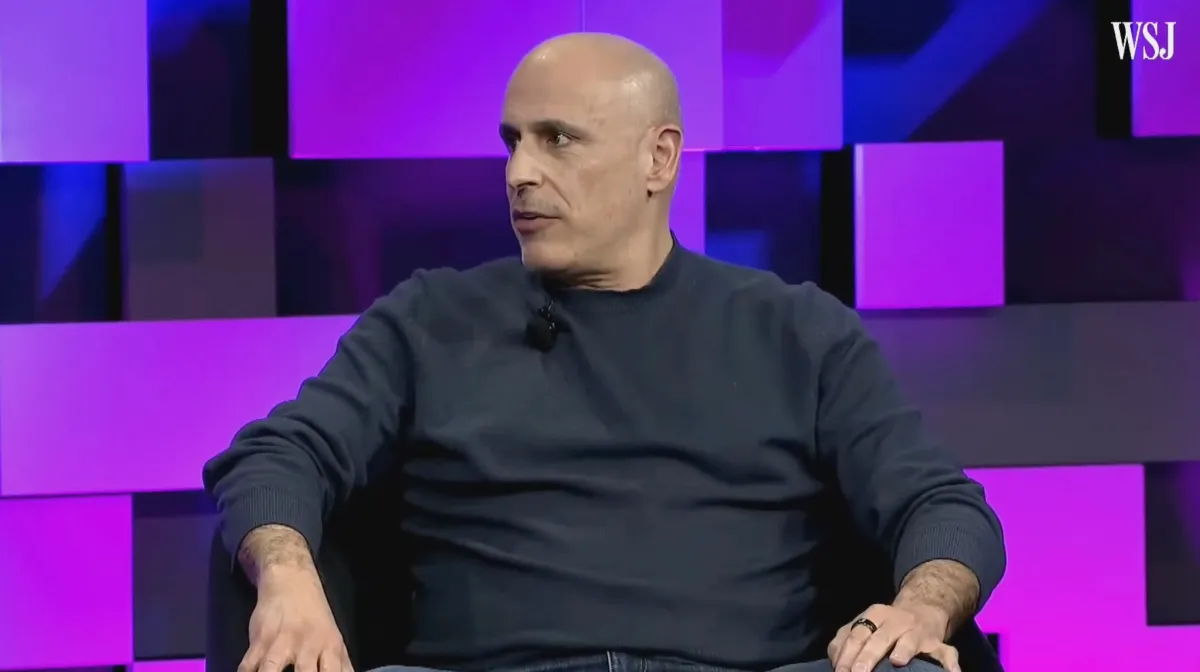

Marc Lore’s Wonder initiative represents a paradigm shift in food services, merging AI-driven brand creation with automation-intensive kitchens to create a vertically integrated platform poised to disrupt traditional hospitality investment. The Wonder Create proposition—enabling virtual restaurant launches via AI prompts within seconds—fundamentally lowers entry barriers for brand incubation, potentially reshaping venture capital allocation toward digital-native F&B concepts. For MENA, where sovereign wealth capital actively seeks scalable, technology-enabled ventures, Wonder’s model offers a template for deploying smart capital into platforms that generate multiple revenue streams per physical location, potentially accelerating F&B diversification beyond oil dependency while aligning with regional vision-driven industrialization goals.
The technological backbone—comprising 120 programmable kitchen facilities expanding to 400, integrated robotic systems, and a 700-ingredient AI library—creates unprecedented operational efficiency. With announced throughput targets of 20 million meals annually per 2,500 sq ft, Wonder achieves labor arbitrage through automation, a critical factor for MENA economies grappling with workforce localization pressures. Sovereign investors may view such infrastructure as foundational for regional food security and export capabilities, while venture capital flows could surge toward supporting the AI ecosystem enabling rapid brand iteration. This convergence necessitates robust MENA digital infrastructure upgrades, particularly in logistics and real estate tech, to support the platform’s growth within the region.
Wonder’s strategic acquisitions—Grubhub, Blue Apron, and Blue Ribbon Fried Chicken—underscore a multi-vector approach to market consolidation, leveraging existing delivery networks and established brands for immediate scalability. For MENA, this signals opportunities for regional players to leverage similar arbitrage: monetizing captive audiences through virtual brands while minimizing physical capital expenditure. However, the model’s scalability hinges on overcoming operational constraints in complex cuisines, necessitating localized R&D partnerships. MENA regulators will need adaptive frameworks to govern AI-driven food safety and brand authentication, while sovereign funds may target analogous platforms as infrastructure investment vehicles catalyzing non-oil economic diversification.